Walk into any store today, and you’ll likely see them: bags proudly labeled “Biodegradable,” “Compostable,” or “Eco-Friendly.” In our collective fight against plastic pollution, these bags seem like the perfect hero. But are they truly the environmental saviors they claim to be? The answer, like the bags themselves, is a bit more complex.
Let’s untangle the facts from the fiction.
What Does “Biodegradable” Actually Mean?
In simple terms, a biodegradable material is one that can be broken down by microorganisms like bacteria and fungi into natural elements like water, carbon dioxide, and biomass. It sounds ideal, right? The problem lies in the conditions and the timeline.
A banana peel is biodegradable. So is a piece of wood. But they don’t decompose at the same rate or in the same environment. This is the crucial distinction we often miss.
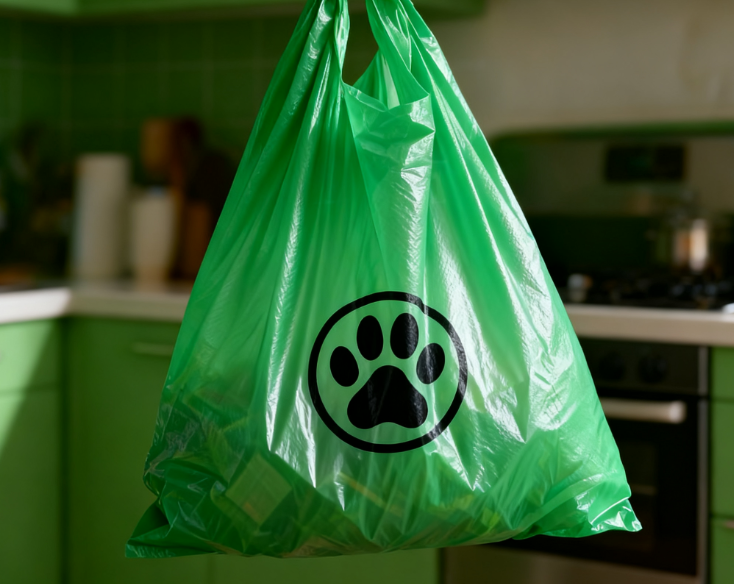
The Different Shades of Green: Biodegradable vs. Compostable
Not all “green” bags are created equal. Understanding the difference is key to making responsible choices.
- Biodegradable Bags: This is a broad term. It means the bag will break down, but it doesn’t specify how long it will take or what it will leave behind. Some biodegradable plastics are made from fossil fuels and may leave behind microplastics or toxic residues. Without the right environment (like an industrial composter), they might not decompose much faster than a conventional plastic bag in a landfill.
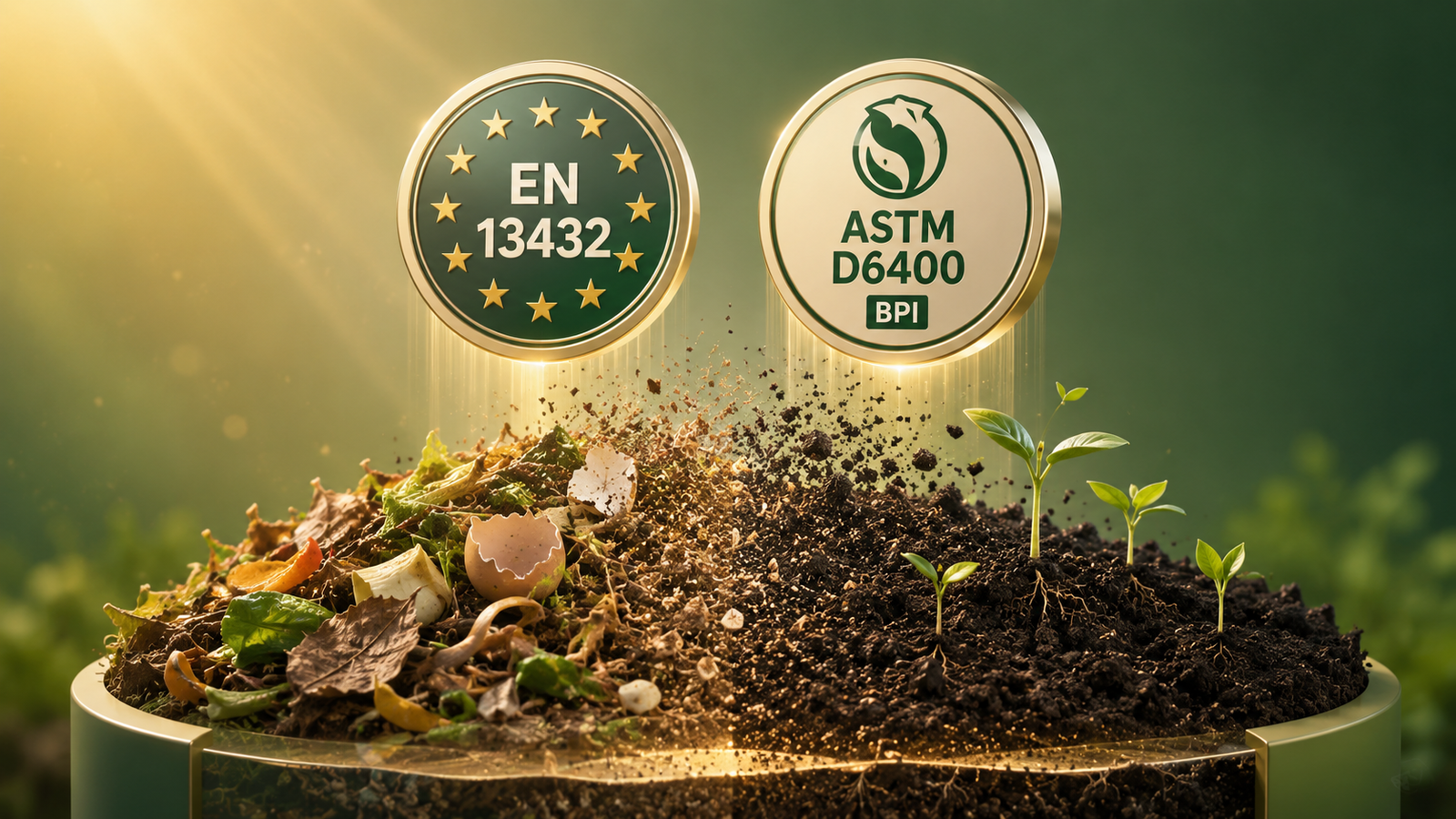
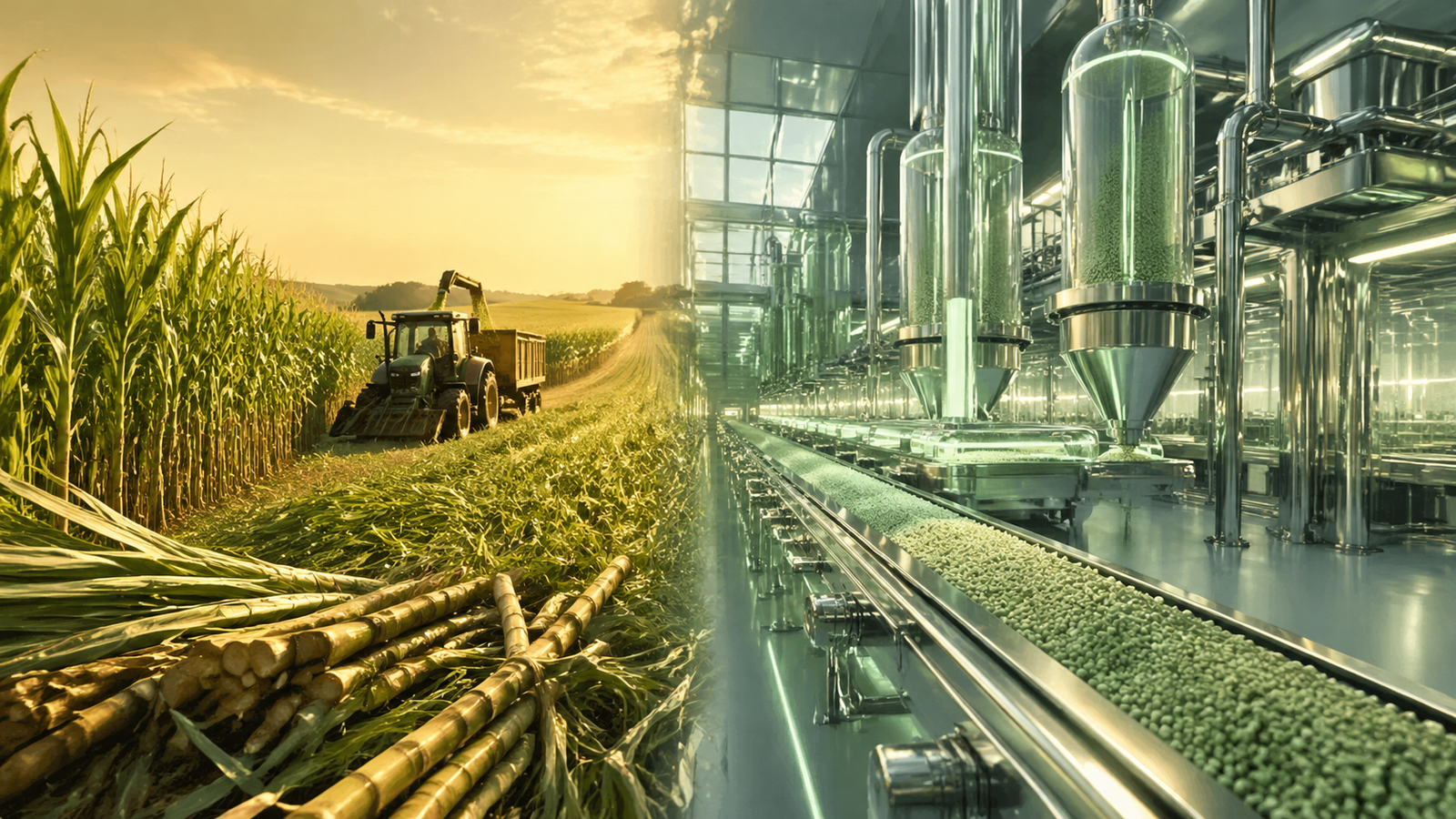
- Compostable Bags: This is a much stricter and more reliable label. Compostable bags are typically made from plant-based materials like cornstarch, sugarcane, or potato starch. They are designed to break down in a specific timeframe within a commercial composting facility, turning into non-toxic, nutrient-rich compost. Look for certifications like “ASTM D6400” or the “Seedling” logo (in Europe) to be sure.
The Real-World Challenge: The Right Environment
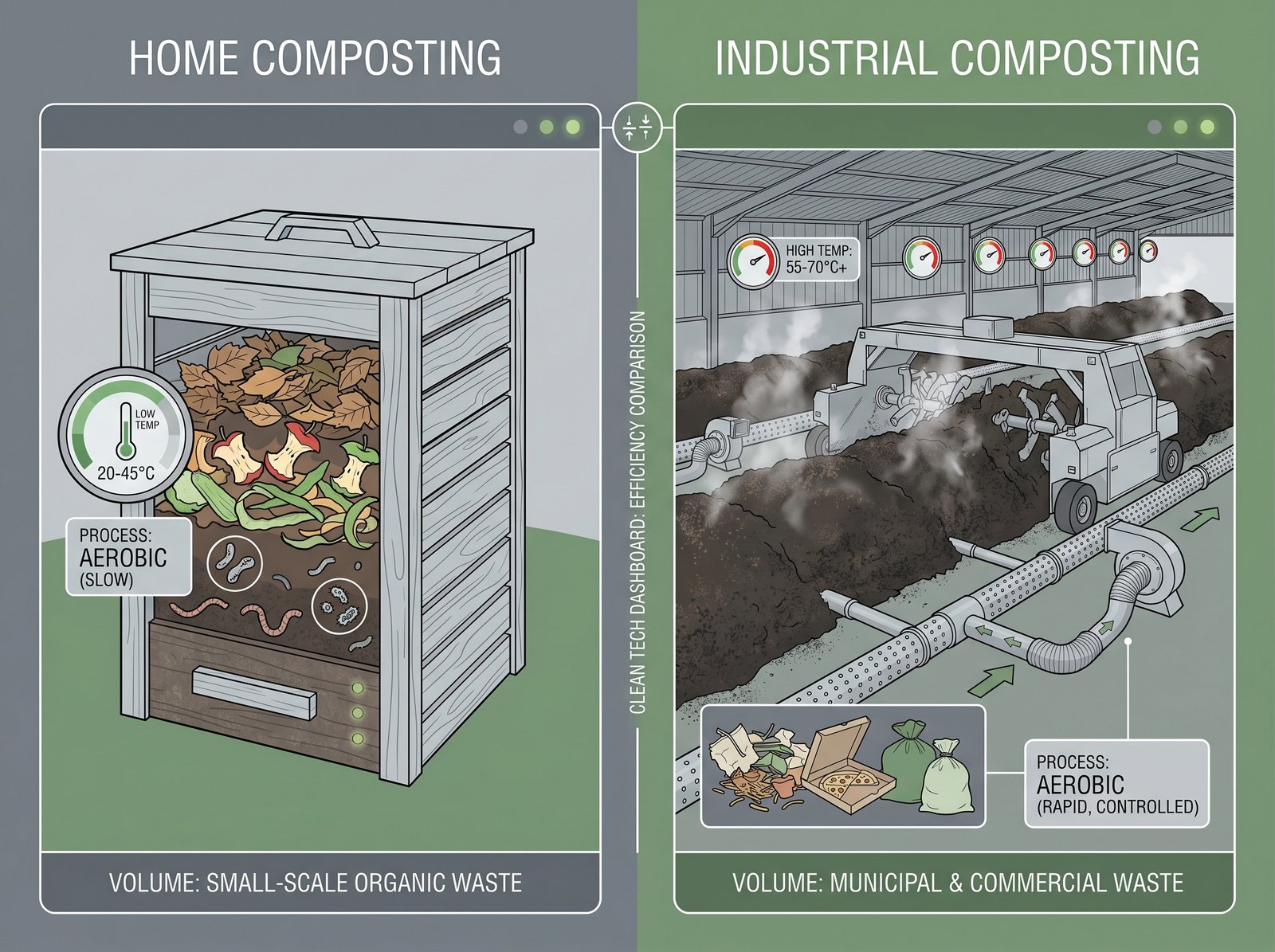
Here’s the biggest catch: a compostable bag is only eco-friendly if it ends up in the right place—an industrial composting facility.
If you toss a compostable bag into your regular recycling bin, it can contaminate the recycling stream. If it ends up in a landfill, buried under layers of trash without light or oxygen, it may not decompose properly and can release methane, a potent greenhouse gas, as it breaks down anaerobically.
So, the bag itself isn’t the magic solution; our waste management system is the other half of the equation.
Are They Still a Better Choice?
Despite the challenges, certified compostable bags have a clear role to play, especially in:
- Food Waste Collection: They are perfect for collecting organic kitchen scraps, which can then be sent to industrial composters. This reduces landfill waste and creates valuable compost.
- Certain Retail Applications: For businesses committed to a circular model, using compostable packaging where customers have access to composting bins is a powerful step.
The Golden Rule: Reduce and Reuse First
Before you choose any bag, remember the most sustainable hierarchy:
- REDUCE: Do you even need a bag? Carrying items without one is always the best option.
- REUSE: Invest in durable, long-lasting reusable bags made from cotton, canvas, or recycled materials.
- Then, and only then, consider the disposable option. When you must use a single-use bag, a certified compostable bag (and ensuring it gets composted) is a better choice than conventional plastic.
The Verdict
Biodegradable and compostable bags are a step in the right direction, but they are not a free pass. They are a valuable tool in our sustainability toolkit, but they require informed consumers and robust composting infrastructure to fulfill their promise.
The next time you reach for one, be a conscious consumer. Check for compostable certifications, and, most importantly, know your local waste disposal rules. The true power for change lies not just in the bag we use, but in the thought we put behind it.