Compostable vs. Conventional Plastic: Debunking the Performance Myth
Real‑world packaging decisions shouldn’t be based on labels. They should be based on materials science, certified standards, and honest end‑of‑life realities. The Hook: Why Your
ESINLE delivers EN13432, ASTM D6400 & OK compost HOME certified biodegradable bags and films — with B2B wholesale, OEM, and EPR‑ready solutions
Sustainable Packaging Solutions for a Greener Future
Begins breaking down within 90 days under composting conditions. Fully degrades into water, carbon dioxide, and microbial biomass within 180 days. No microplastics, no harmful residues — pure environmental protection.
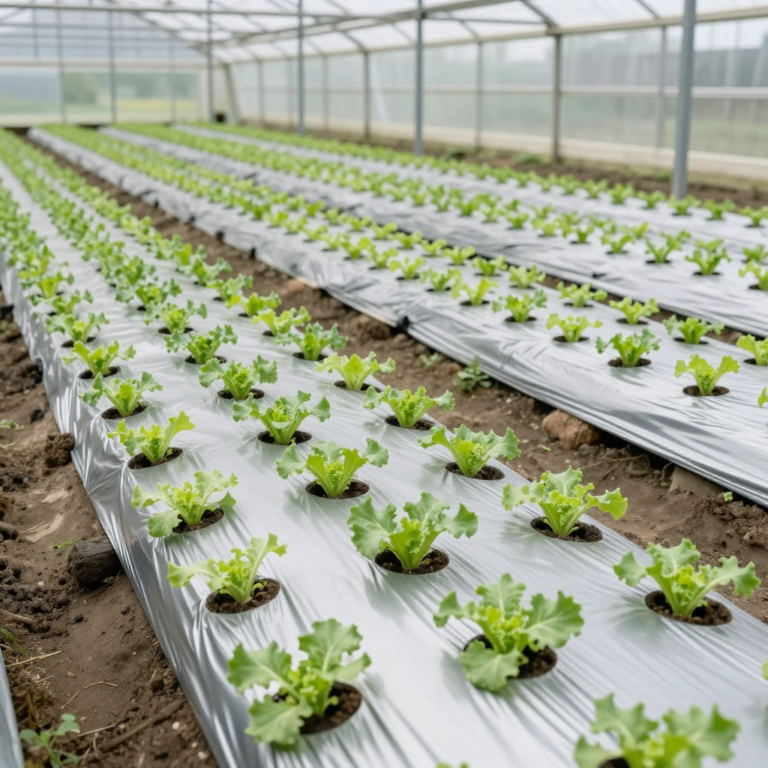
Our R&D team merges tech expertise with field experience. Specifically, we craft tailored biodegradable films, ensuring top-tier performance for real agricultural needs.
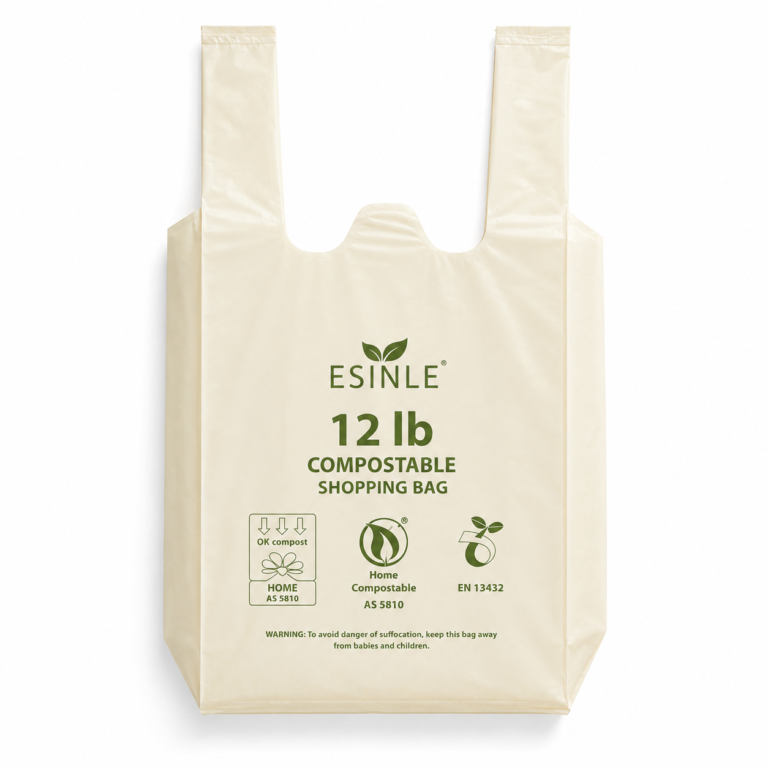
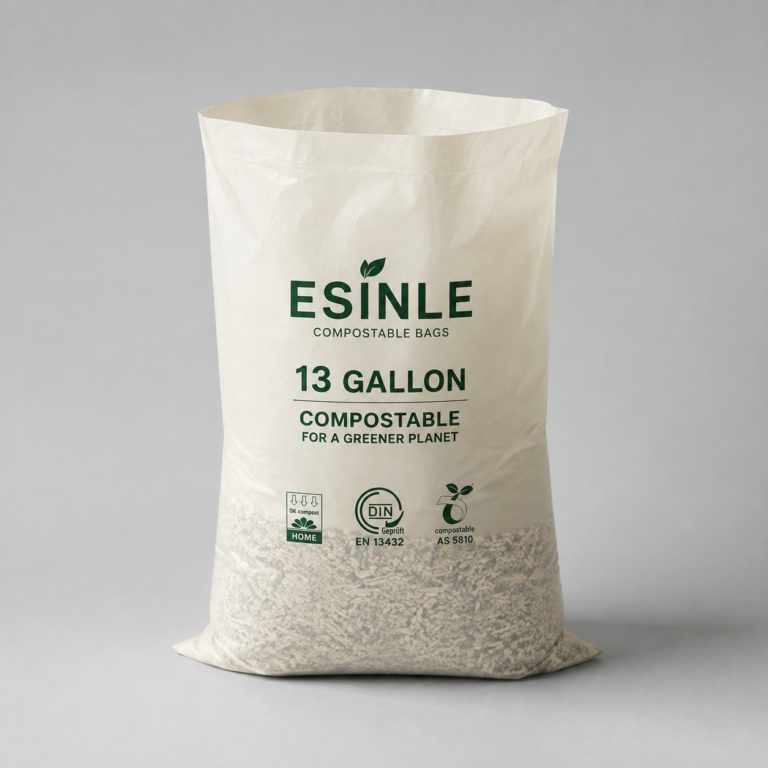
All ESINLE products are 100% biodegradable and certified to international standards:
DIN CERTCO (EN 13432)
BPI Certified (ASTM D6400)
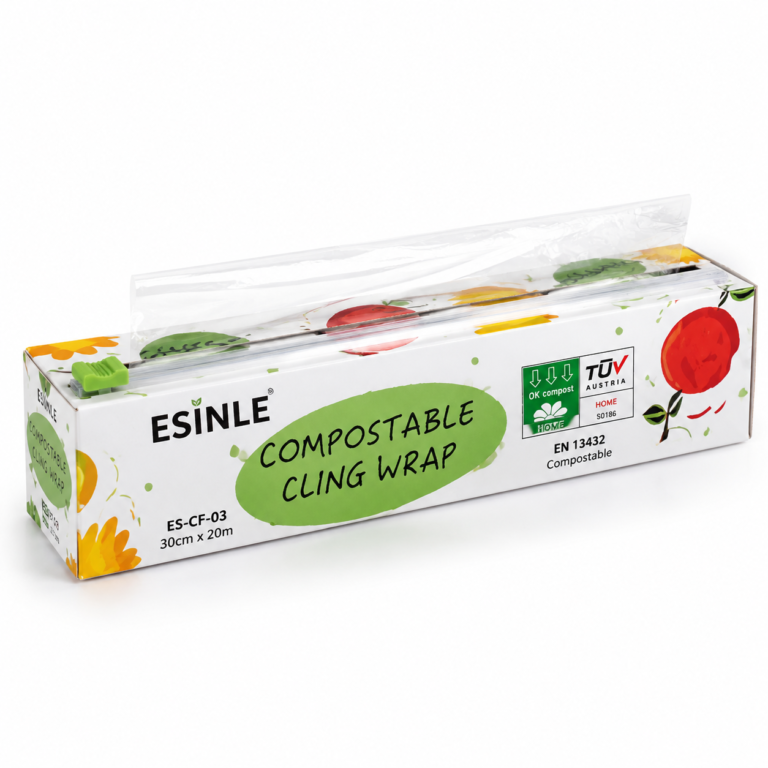
TÜV Austria (Home & Industrial Compostable)
ESINLE products are engineered to meet the world’s strictest environmental standards. In fact, every film is independently tested and certified to guarantee 100% biodegradability and compostability. This ensures full regulatory compliance across Europe, North America, and global markets.


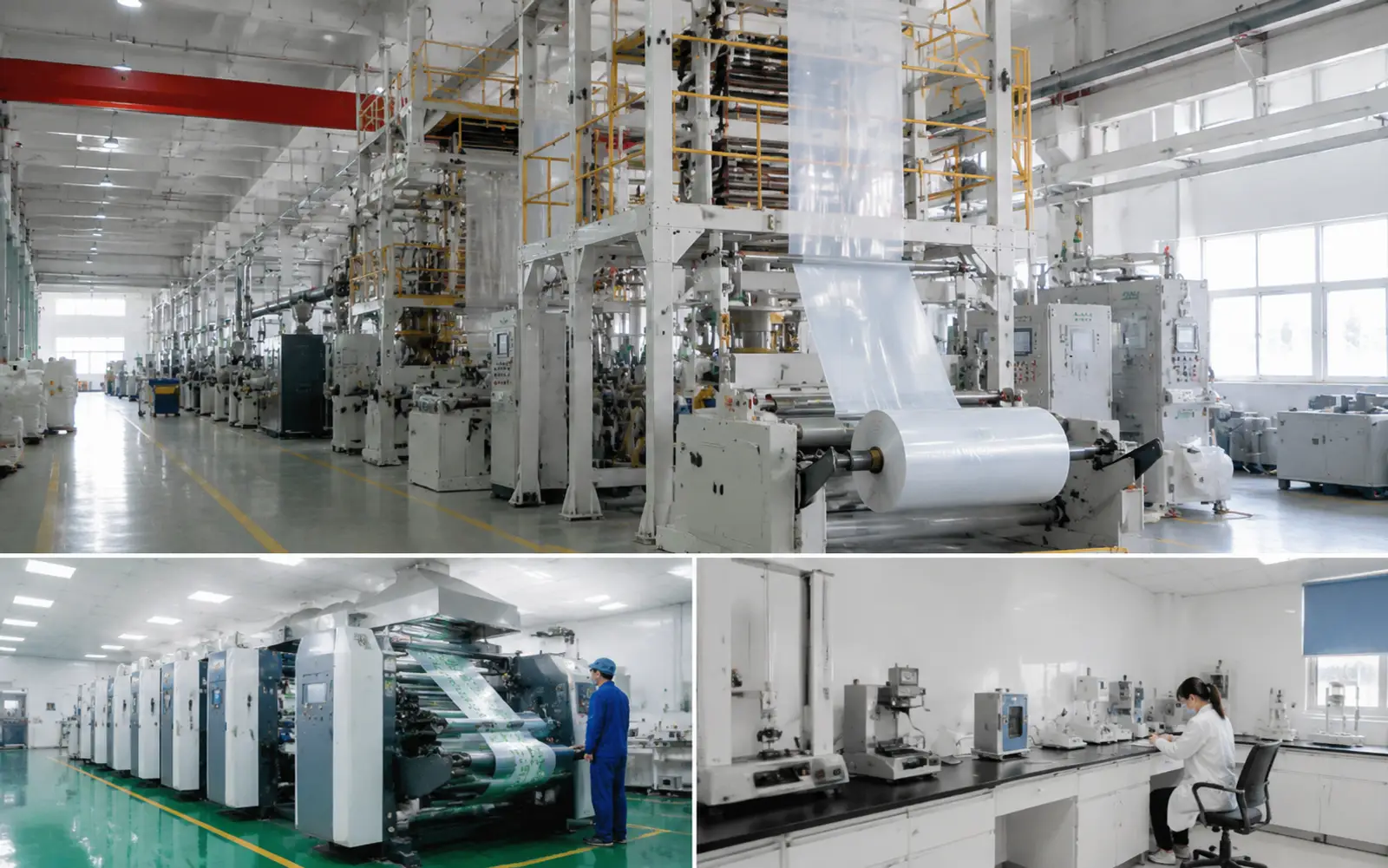
As an eco-technology enterprise headquartered in Baiyun District, Guangzhou, our company integrates research, production, sales, and service under one roof. Moreover, as a proud member of the BSCI organization, we own 20 patents that validate our technological innovation. Furthermore, all our products are proudly 100% biodegradable, primarily crafted from premium materials including PBAT, PLA, and starch-based composites.
From agricultural mulch films to food packaging films, ESINLE delivers customized biodegradable solutions that balance high performance with genuine sustainability. Our products are professionally engineered to meet the specific demands of your industry — all while ensuring 100% compostability. This empowers businesses to significantly reduce plastic waste without compromising product quality or performance.


Real‑world packaging decisions shouldn’t be based on labels. They should be based on materials science, certified standards, and honest end‑of‑life realities. The Hook: Why Your

Why Upfront Price Doesn’t Tell the Full Story For years, the packaging industry has accepted a simple equation: biodegradable plastic costs more than conventional plastic.

The era of voluntary green claims is over. 2026 marks the year when compostable packaging compliance becomes a legal and commercial necessity – not an
We will contact you as soon as possible!