01
Crop-program specification
Gauge, colour and durability target are selected against crop cycle, climate, UV exposure and planned till-in timing.
Mulch Film / ES-MF-01
PLA+PBAT biodegradable mulch film for growers and agricultural distributors specifying a crop and field cycle. Coordinate bed width, laying equipment, gauge, colour, crop duration and local soil conditions with the applicable soil-biodegradation product evidence.
B2B supply · OEM / ODM options
Response target: one business day
The product at a glance
Compare the construction, size and order requirements. We confirm your selected configuration in the quotation.
EN 17033 · TÜV OK Biodegradable SOIL · EN 13432 · OK compost INDUSTRIAL · TÜV
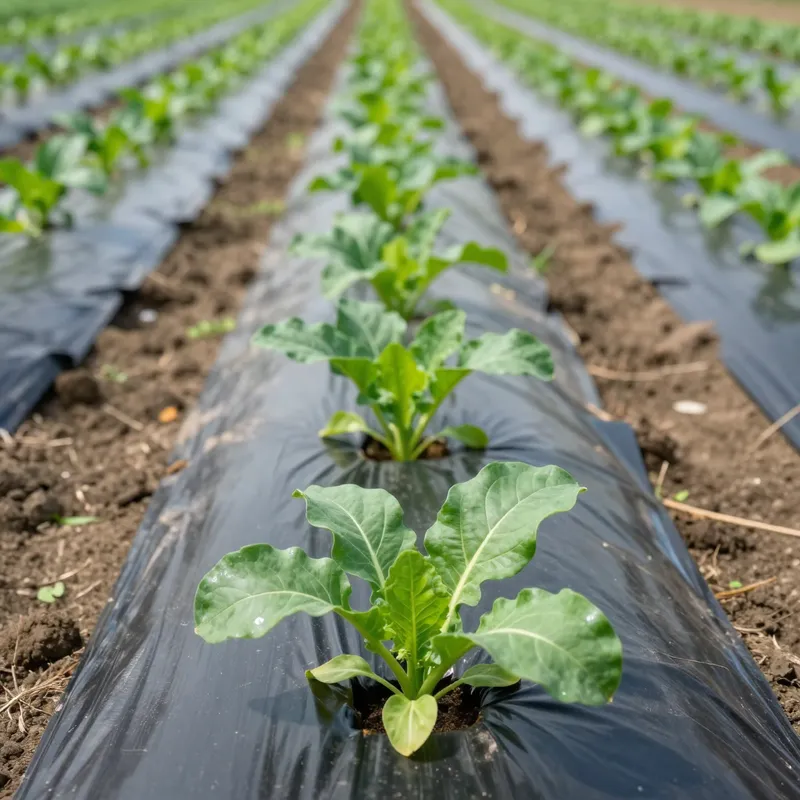
Product overview
The mulch specification should reflect the planting calendar and field conditions in which it will be used. Share the crop, climate, soil, irrigation and equipment with your inquiry. Review a representative field trial and the relevant soil-use documentation before fixing roll dimensions, gauge and handling instructions.
Soil-biodegradable mulch film for crop and field programs. Build the specification around bed geometry, crop cycle, climate, laying equipment and the required period of field performance.
Plan your sample reviewKey features
Six points connect the selected format to its everyday use, finished pack and repeat supply.
Gauge, colour and durability target are selected against crop cycle, climate, UV exposure and planned till-in timing.
Share bed width, equipment, laying speed and tension so the sample can be checked on the intended line.
Validate laying, weed control, moisture management and end-of-season condition on the actual farm before scaling volume.
Request the current certificate or report and confirm formulation, thickness, colour and other variants fall within its scope.
State the crop, location, planting and harvest dates and expected field conditions.
Specify bed width, roll width, length, thickness and any planting pattern.
Applications
Choose the relevant operation and share its practical requirements with your inquiry.
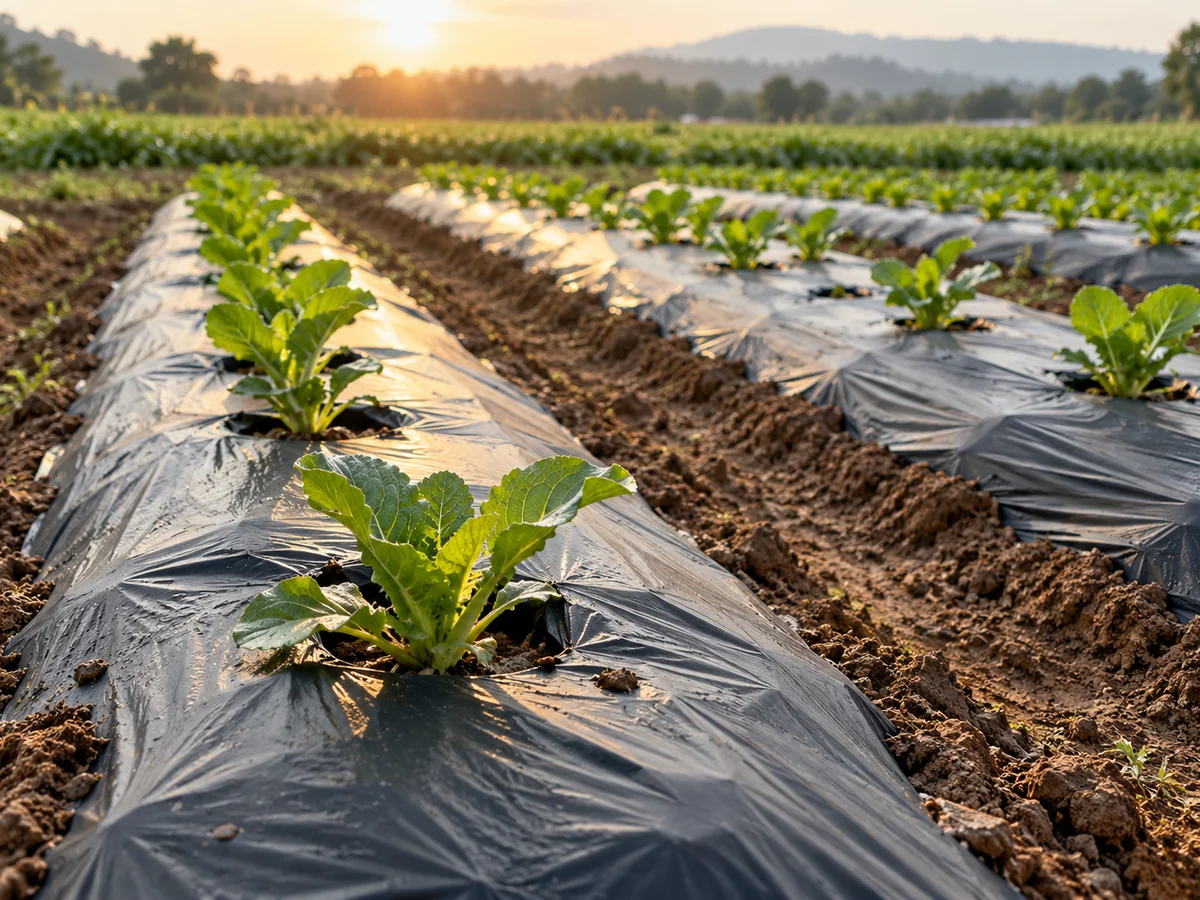
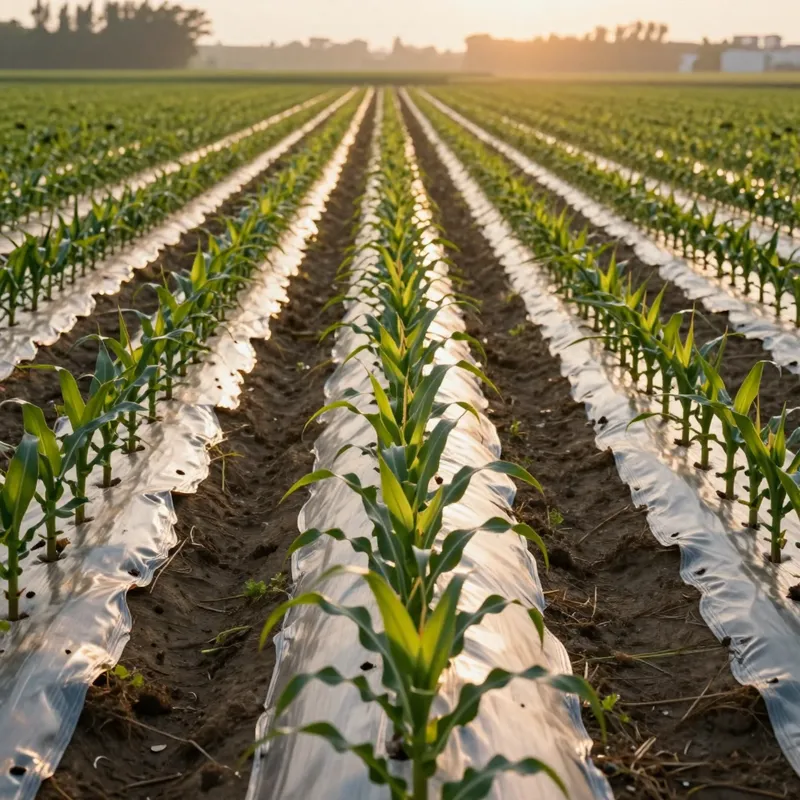
Select the PLA+PBAT mulch film around the crop, raised-bed width and planting layout. Share climate, soil, irrigation and season length for a relevant sample and field-trial plan.
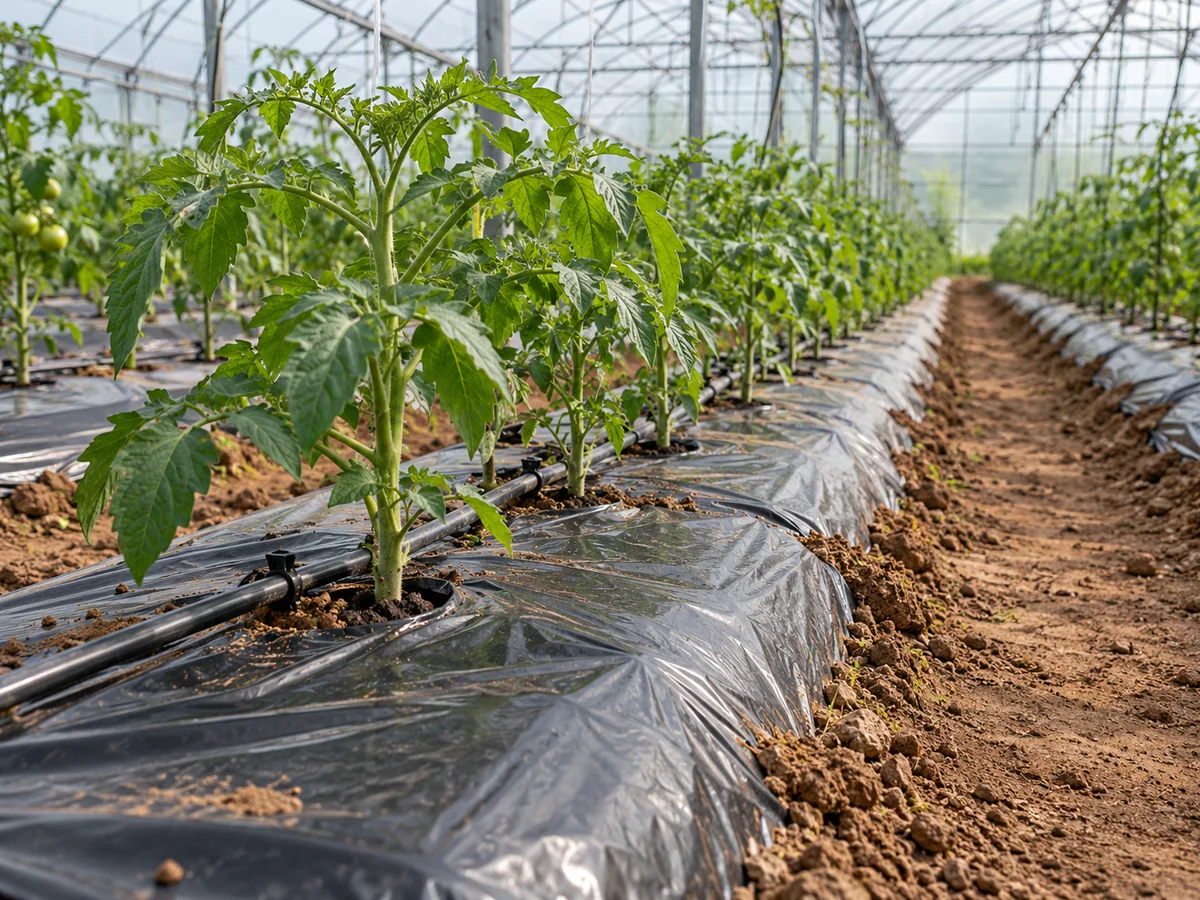
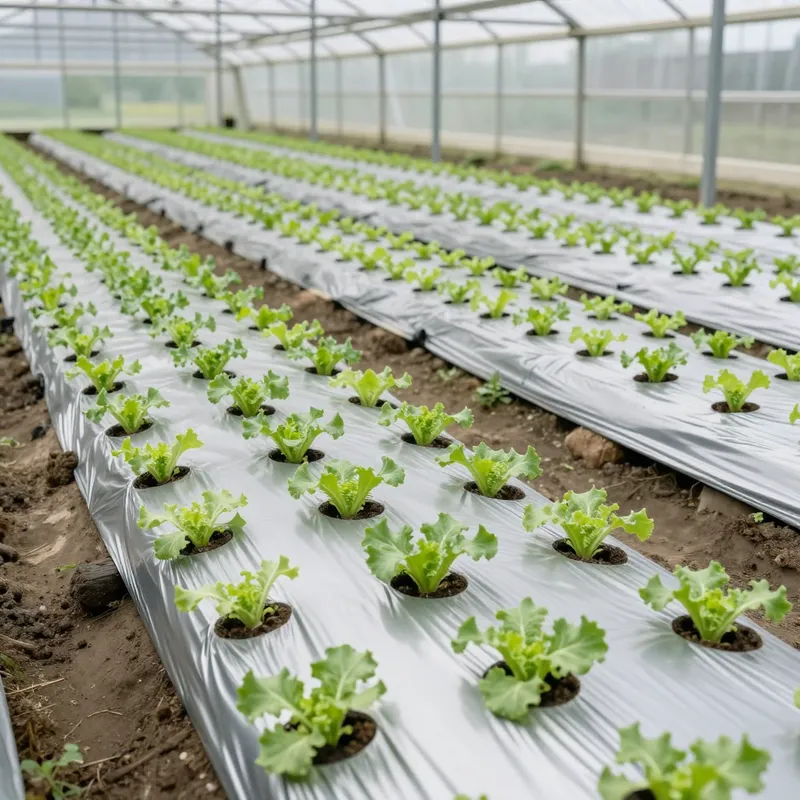
Coordinate film width, gauge and laying method with the protected-crop system. Review the intended growing cycle and local conditions rather than transferring settings from a different field.
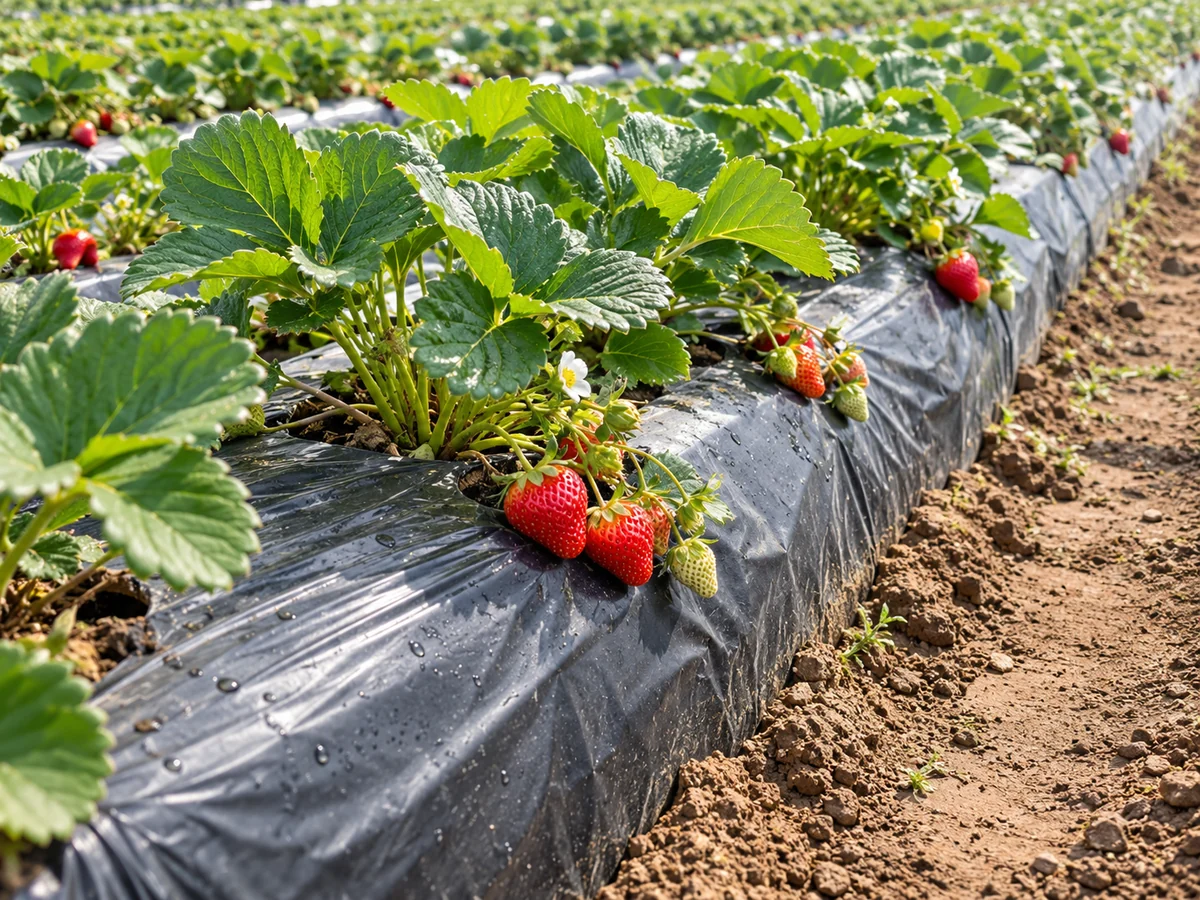
Review the mulch with the bed shape, plant spacing, irrigation and crop-care routine. Check the proposed construction through a representative field trial and the relevant soil-use documentation.
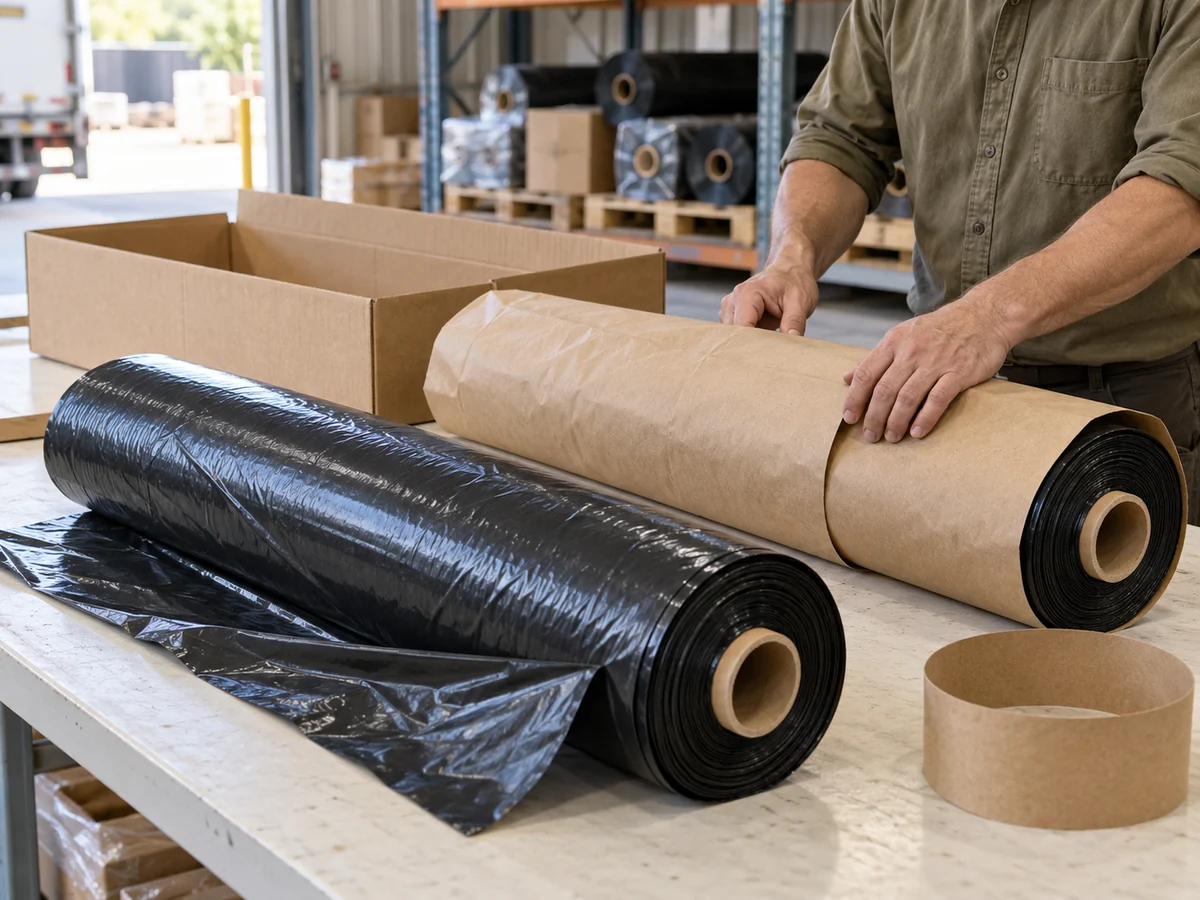
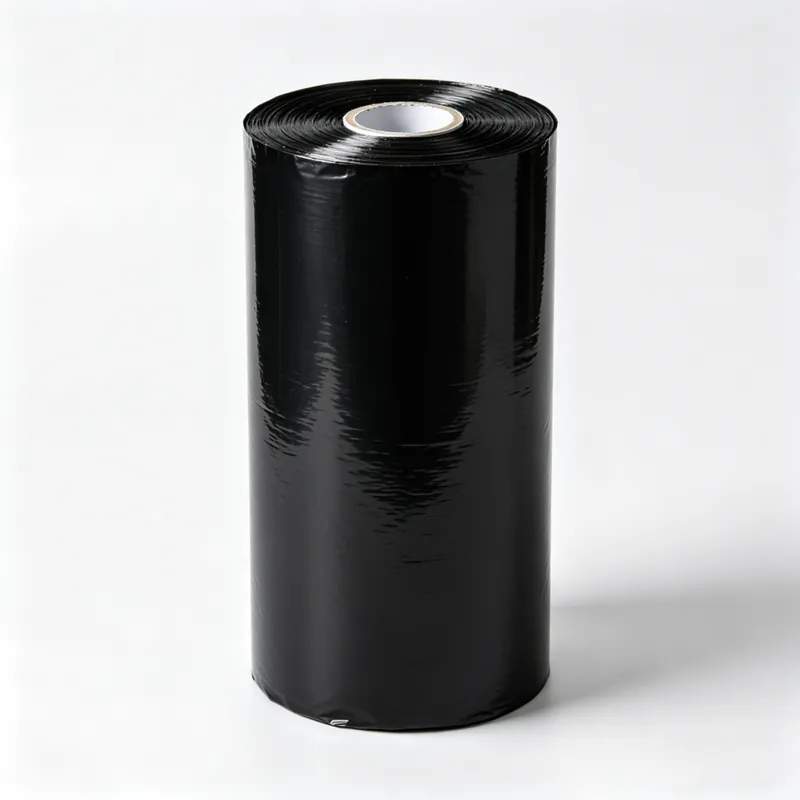
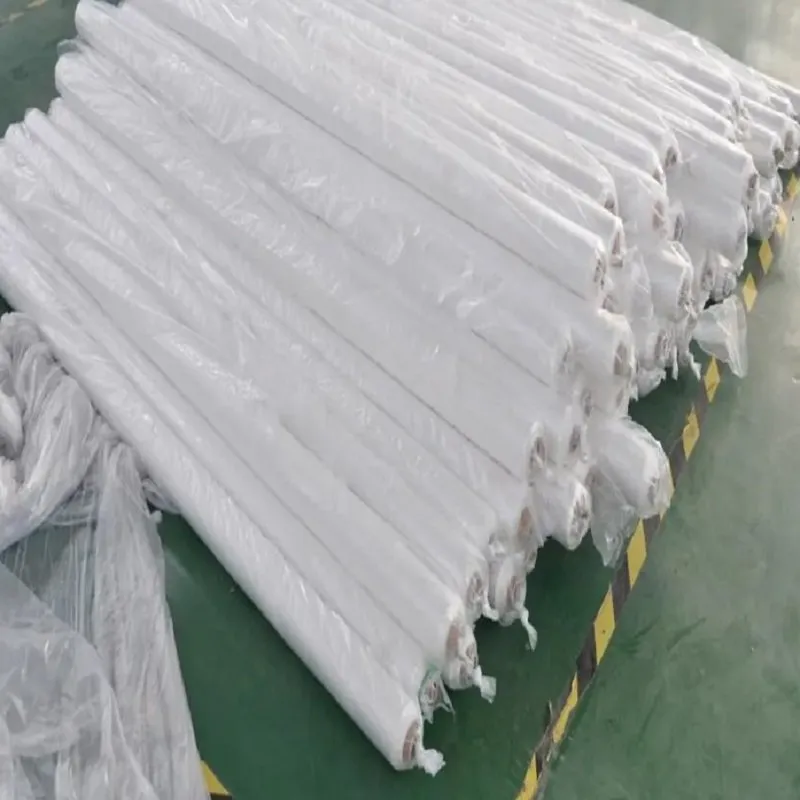
Build an identifiable roll program for growers and dealers. Agree width, usable length, gauge, colour, core, packing and handling instructions with the selected crop and region.
Certifications & product documents
Keep the specification, applicable certification and intended-use information connected to the product you order.
Agricultural mulch is intended to biodegrade in soil, so request evidence written for that environment, such as the applicable EN 17033 or OK biodegradable SOIL scope.
EN 13432 or ASTM D6400 addresses controlled composting claims; it does not by itself demonstrate a mulch film’s performance or biodegradation in agricultural soil.
Match the certificate holder, product name, formulation, gauge range, colour, validity and permitted mark to the film being quoted.
Use records for the exact agricultural mulch and intended soil environment, rather than substituting packaging-compostability documents.
Sample review
A useful sample represents the construction and use you plan to order. Share the benchmark and the observations that matter.
Confirm field, crop, bed and equipment details.
Trial laying and record performance during the intended crop cycle.
Approve the construction, product evidence and field-use instructions.
Field life and biodegradation rate are affected by film construction, soil temperature, moisture, microbial activity, UV exposure and farming practice. A laboratory certificate does not predict the exact breakdown date on every farm. Do not approve a universal degradation time or “no residue” claim without evidence for the selected construction and conditions. Complete a controlled field trial before commercial scale-up.
From comparison to quotation
Build a short sourcing brief. Add the details you know, then send it with your request for pricing, samples or product documents.
Specifications, a suitable sample and the commercial details for your selected configuration.
Product questions
Ask for soil-biodegradation evidence applicable to agricultural mulch, such as the relevant EN 17033 or OK biodegradable SOIL scope. Packaging-compostability evidence alone is not a substitute.
Send crop, location, planting and harvest dates, bed and roll width, target gauge, colour, laying equipment, irrigation method, expected volume and destination market.
No. Breakdown depends on the finished construction and local soil, moisture, temperature, microbes, UV exposure and farming practice. Agree a performance window and validate it in a field trial.
Many constructions are designed for standard equipment, but tension, speed, gauge and field conditions matter. Test a production-representative roll on the intended machine before scale-up.