01
Clear 60:40 PLA+PBAT film at 12–25 microns
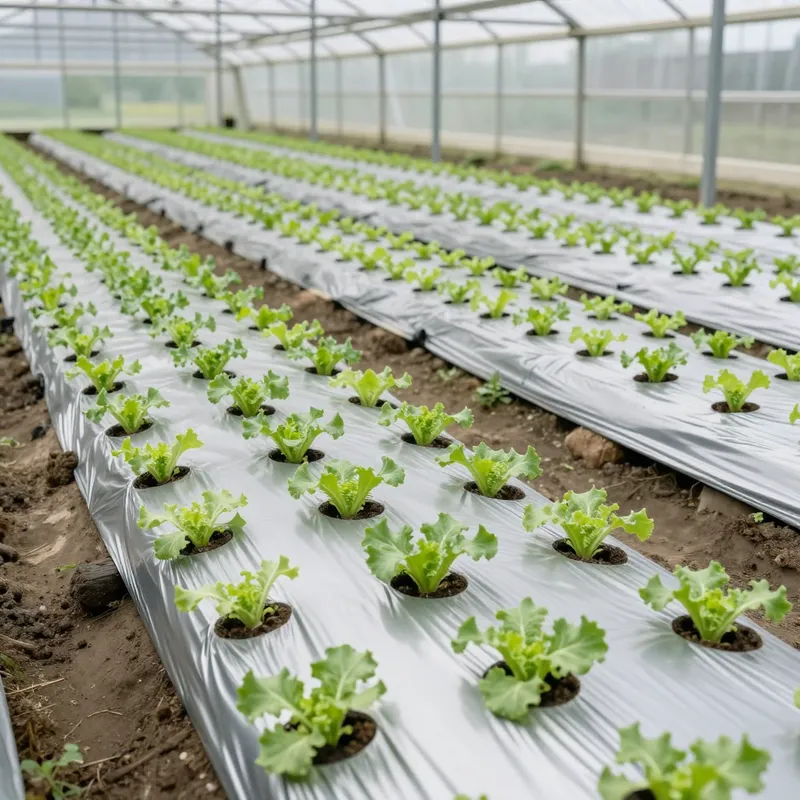
maximum light transmission for rapid soil heating in greenhouses and tunnels
Mulch Film / ES-MF-03
Biodegradable mulch film for vegetable-bed programs and agricultural supply. Specify the crop, planting layout, bed width, roll length and film gauge, with the field conditions and soil-use evidence needed for the intended growing cycle.
B2B supply · OEM / ODM options
Response target: one business day
The product at a glance
Compare the construction, size and order requirements. We confirm your selected configuration in the quotation.
EN 17033 · TÜV OK Biodegradable SOIL · EN 13432 · OK compost INDUSTRIAL · TÜV
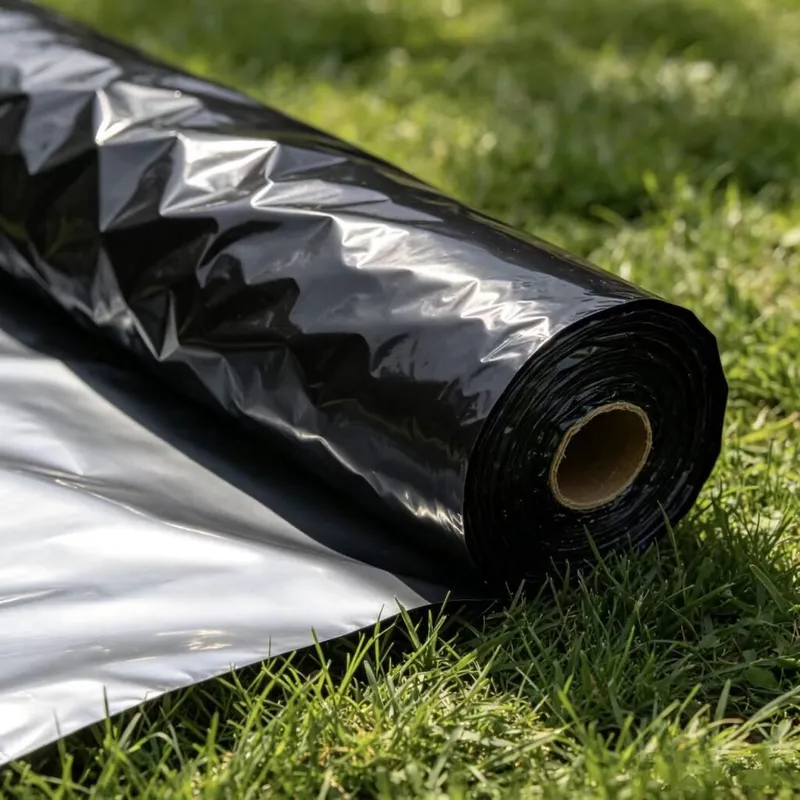
Product overview
A vegetable-bed film must work with the planting pattern, irrigation and laying equipment. Provide those inputs along with the anticipated season and local climate. Review handling and field performance on a representative trial, then agree the finished roll and use instructions with the relevant product documentation.
Soil-biodegradable mulch film for crop and field programs. Build the specification around bed geometry, crop cycle, climate, laying equipment and the required period of field performance.
Plan your sample reviewKey features
Six points connect the selected format to its everyday use, finished pack and repeat supply.
maximum light transmission for rapid soil heating in greenhouses and tunnels
pair with drip irrigation and integrated weed management for clean beds
primarily used for soil warming and moisture retention in tunnels
4–5 months mechanical integrity where daytime soils exceed 30°C
UV-stabilized formulation proven in southern European greenhouse programs
60% biobased carbon per ASTM D6866 maximizes renewable content
Applications
Choose the relevant operation and share its practical requirements with your inquiry.
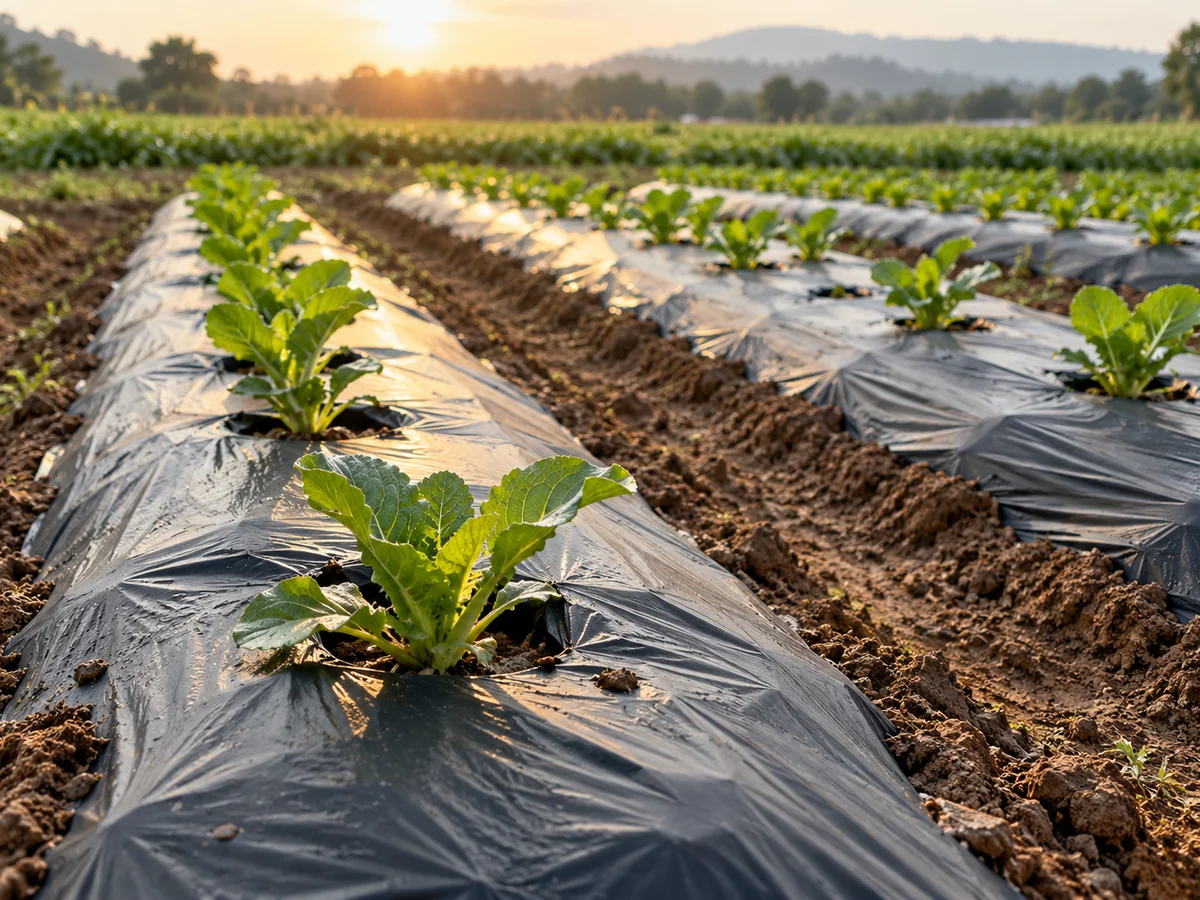
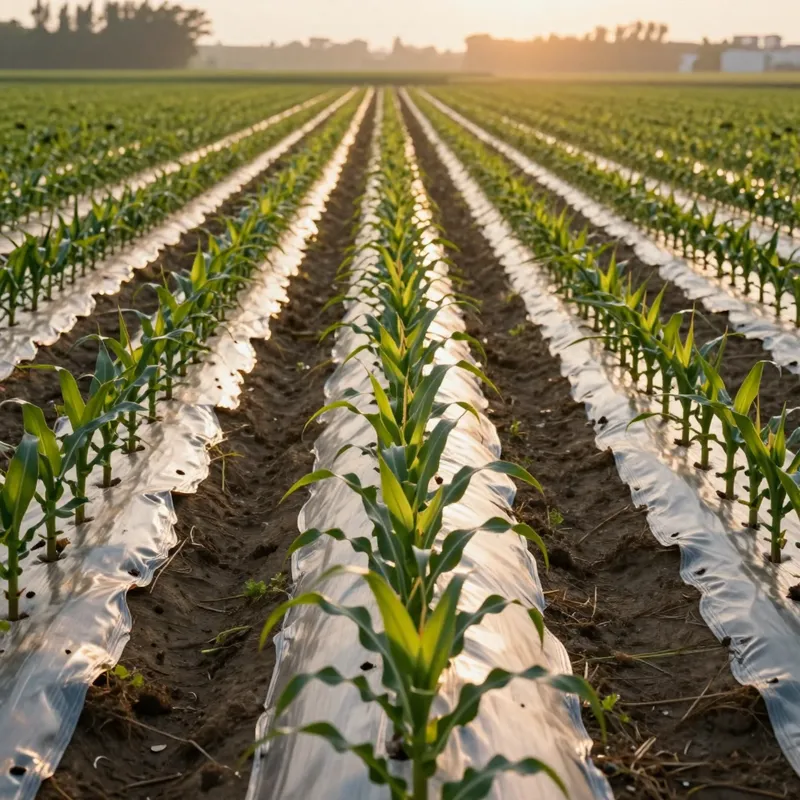
Select the vegetable-bed mulch film around the crop, raised-bed width and planting layout. Share climate, soil, irrigation and season length for a relevant sample and field-trial plan.
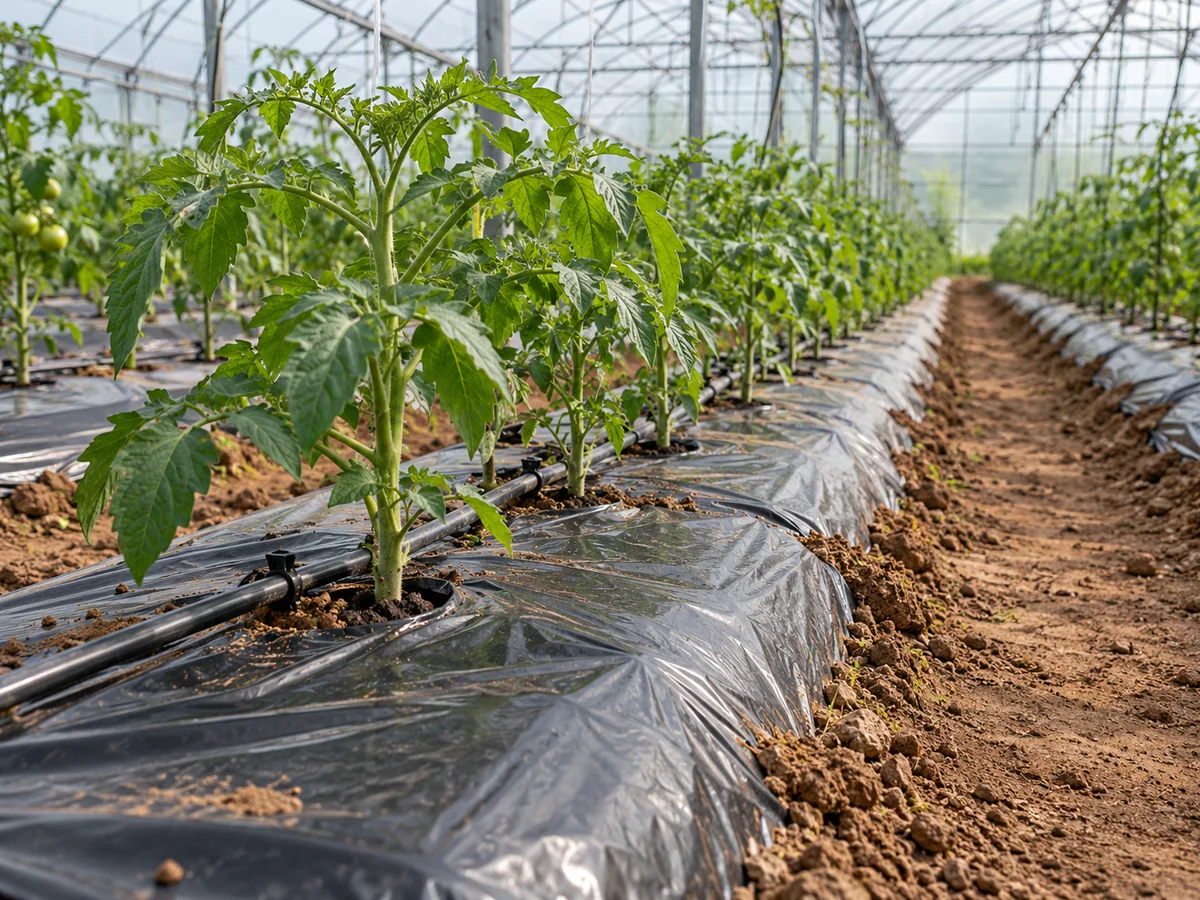
Coordinate film width, gauge and laying method with the protected-crop system. Review the intended growing cycle and local conditions rather than transferring settings from a different field.
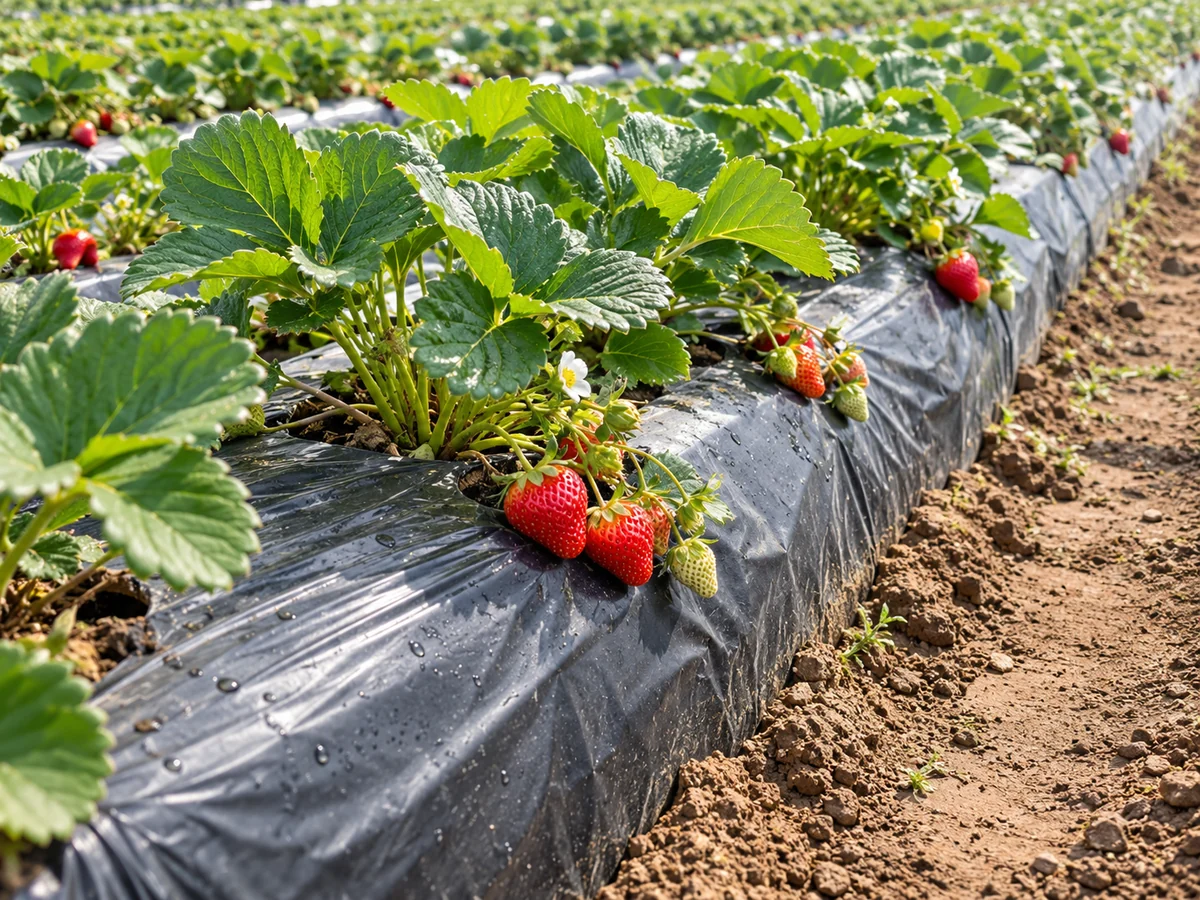
Review the mulch with the bed shape, plant spacing, irrigation and crop-care routine. Check the proposed construction through a representative field trial and the relevant soil-use documentation.
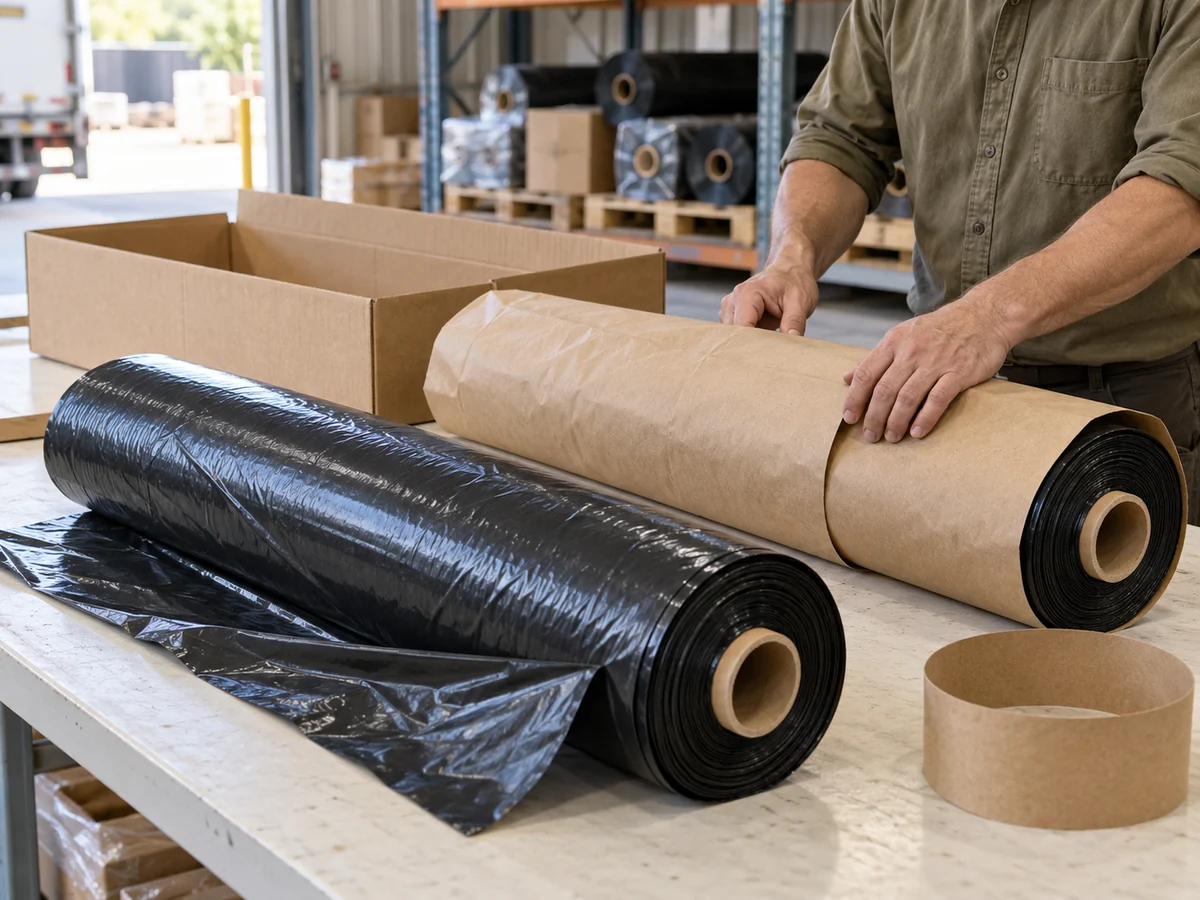
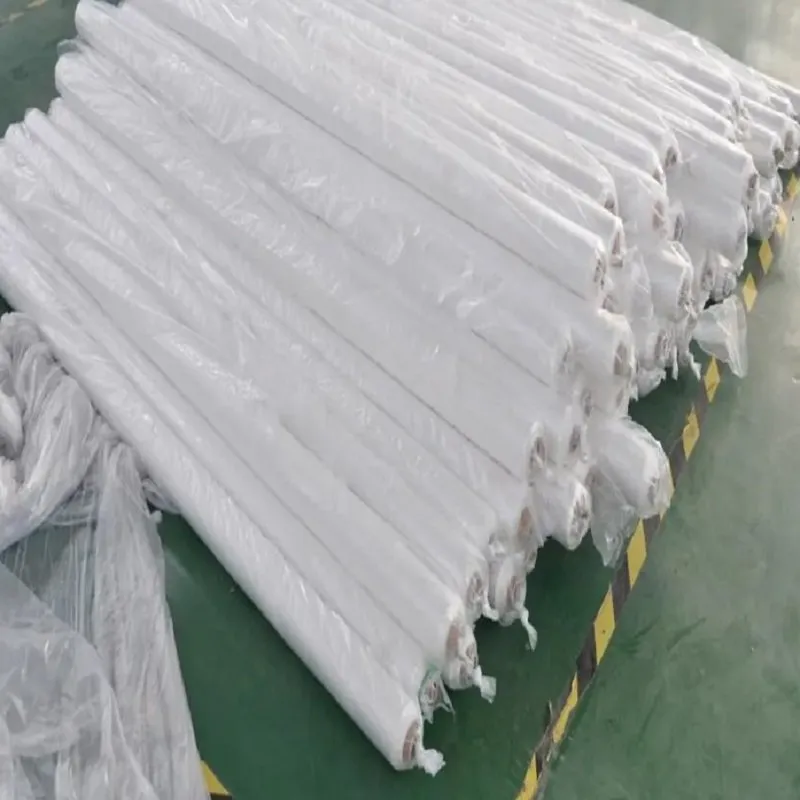
Build an identifiable roll program for growers and dealers. Agree width, usable length, gauge, colour, core, packing and handling instructions with the selected crop and region.
Certifications & product documents
Keep the specification, applicable certification and intended-use information connected to the product you order.
The European standard written for biodegradable mulch films: 90%+ biodegradation in soil within 24 months, ecotoxicity testing, and no-harmful-residue limits. Greenhouse trials confirm the 60:40 formulation meets these limits.
Independent TÜV certification confirming real-soil biodegradation with no ecotoxic effects — audited annually, certificate verifiable on the public TÜV database.
Verifies the film also breaks down in managed composting facilities, so film fragments removed with plant residues can be composted rather than landfilled.
Use records for the exact agricultural mulch and intended soil environment, rather than substituting packaging-compostability documents.
Sample review
A useful sample represents the construction and use you plan to order. Share the benchmark and the observations that matter.
Confirm field, crop, bed and equipment details.
Trial laying and record performance during the intended crop cycle.
Approve the construction, product evidence and field-use instructions.
Clear film provides minimal weed suppression — for greenhouse applications with weed pressure, use opaque variants. At 12μm gauge, film integrity in greenhouse conditions is limited to 2–3 months — appropriate only for short-cycle crops (salad greens, radishes). The PLA-rich formulation has lower tear resistance than PBAT-rich films — handle carefully during mechanical laying at temperatures below 15°C.
From comparison to quotation
Build a short sourcing brief. Add the details you know, then send it with your request for pricing, samples or product documents.
Specifications, a suitable sample and the commercial details for your selected configuration.
Product questions
Gauge selection is critical for greenhouse use. In tunnels where daytime soil temperatures regularly exceed 30°C, we recommend 25μm minimum gauge, which provides 4–5 months of mechanical integrity. For crops with 6+ month greenhouse cycles, we offer a 30μm custom gauge. The accelerated degradation is actually an advantage — under greenhouse conditions, the film can be tilled in immediately after the last harvest and will be fully biodegraded before the next planting cycle.
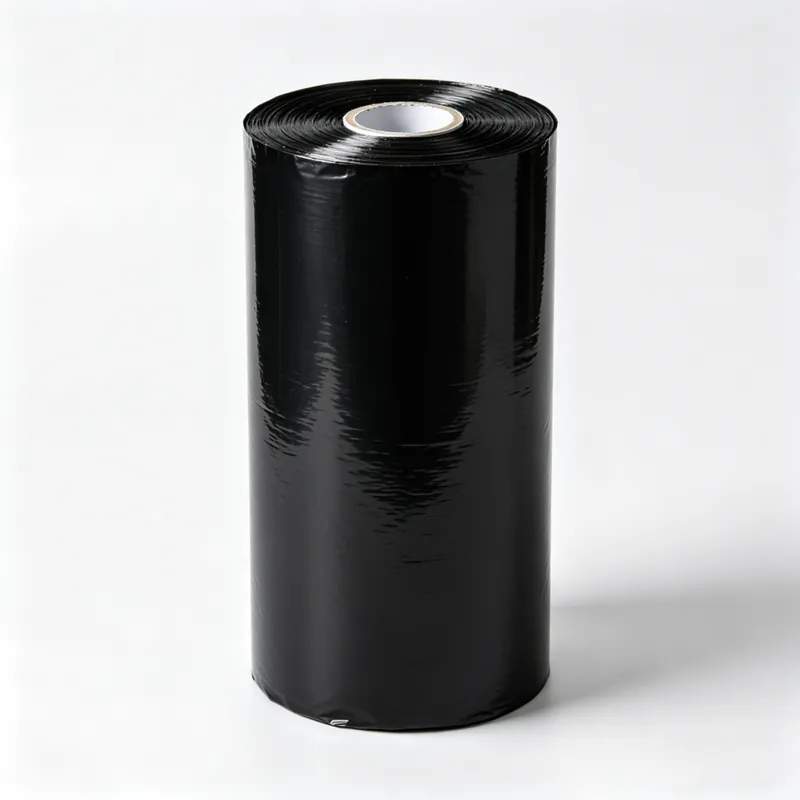
Clear mulch provides minimal weed suppression (light transmission 40–50%) and is primarily used for soil warming and moisture retention in tunnels where weed pressure is managed through other means (sterile growing media, container production, hand weeding). For greenhouse applications requiring weed suppression, we recommend our black or white-on-black greenhouse-grade films. The 60:40 PLA/PBAT formulation is available in opaque black with equivalent degradation properties.
Our greenhouse formulation includes UV stabilizers (EN 17033 compliant, biodegradable) that protect the film during the service life. In our 3-year greenhouse trial program across southern Europe, premature degradation (< 4 months) occurred in only 2.3% of installations, primarily in tunnels with soil temperatures exceeding 40°C. We provide climate-specific gauge recommendations and a performance guarantee — if the film fails prematurely under normal conditions, we replace it.
Crop, location, planting and harvest dates, bed width, roll width, gauge, colour and volume.
Continue comparing