01
65:35 PBAT-rich film at 20–35 microns
5–7 month service life validated across 4 years of multi-climate field trials
Mulch Film / ES-MF-04
PBAT+PLA biodegradable mulch film for agricultural buyers comparing a configurable roll program. Review width, gauge, colour, laying conditions and crop duration, then connect the selected construction to its applicable soil-use documentation and field trial.
B2B supply · OEM / ODM options
Response target: one business day
The product at a glance
Compare the construction, size and order requirements. We confirm your selected configuration in the quotation.
EN 17033 · TÜV OK Biodegradable SOIL · EN 13432 · OK compost INDUSTRIAL · TÜV
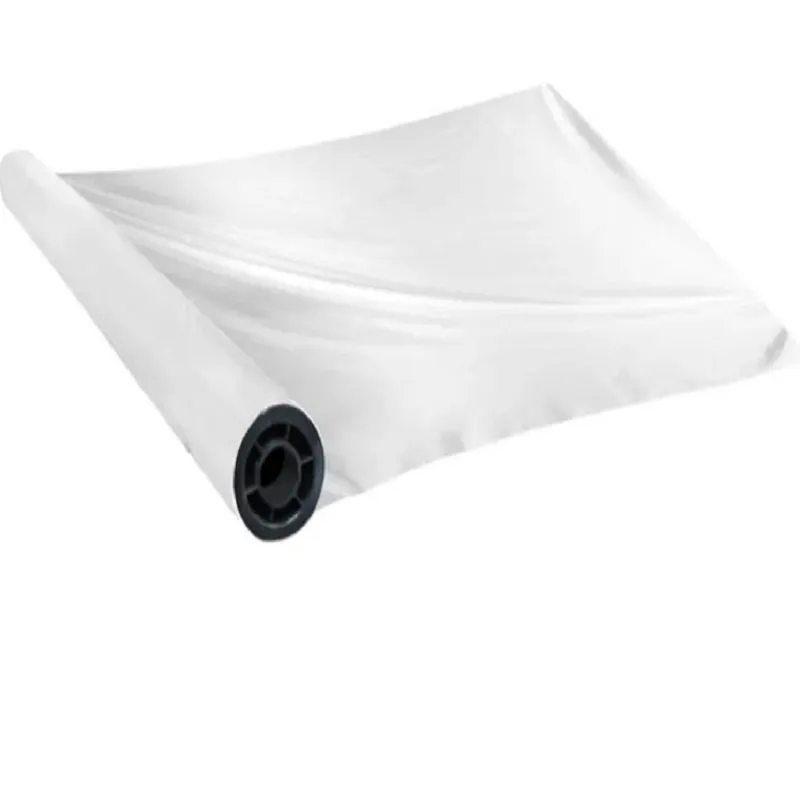
Product overview
Distributors and growers need a roll specification they can carry into the field. Share the crop, equipment, site conditions and expected service cycle so samples can be compared consistently. Keep the approved construction, roll identification, storage and handling information together for subsequent orders.
Soil-biodegradable mulch film for crop and field programs. Build the specification around bed geometry, crop cycle, climate, laying equipment and the required period of field performance.
Plan your sample reviewKey features
Six points connect the selected format to its everyday use, finished pack and repeat supply.
5–7 month service life validated across 4 years of multi-climate field trials
custom widths from 1.0 to 2.4 m and gauges up to 35 μm
edge burial at 10–15 cm depth with proper laying tension
clean punch holes stay stable through the season
total cost of ownership only 5–10% higher after removal savings
85 kg organic carbon per hectare with a 70% lower carbon footprint
Applications
Choose the relevant operation and share its practical requirements with your inquiry.
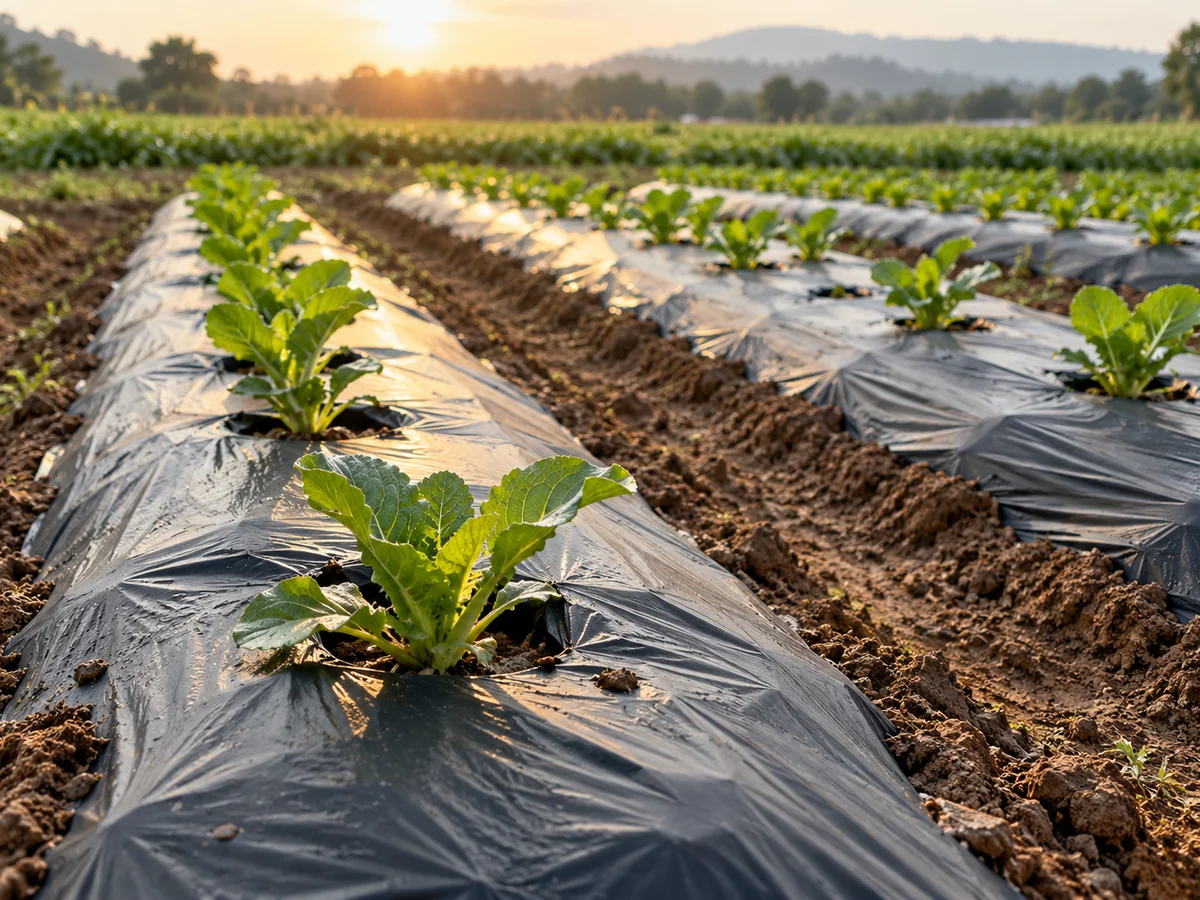
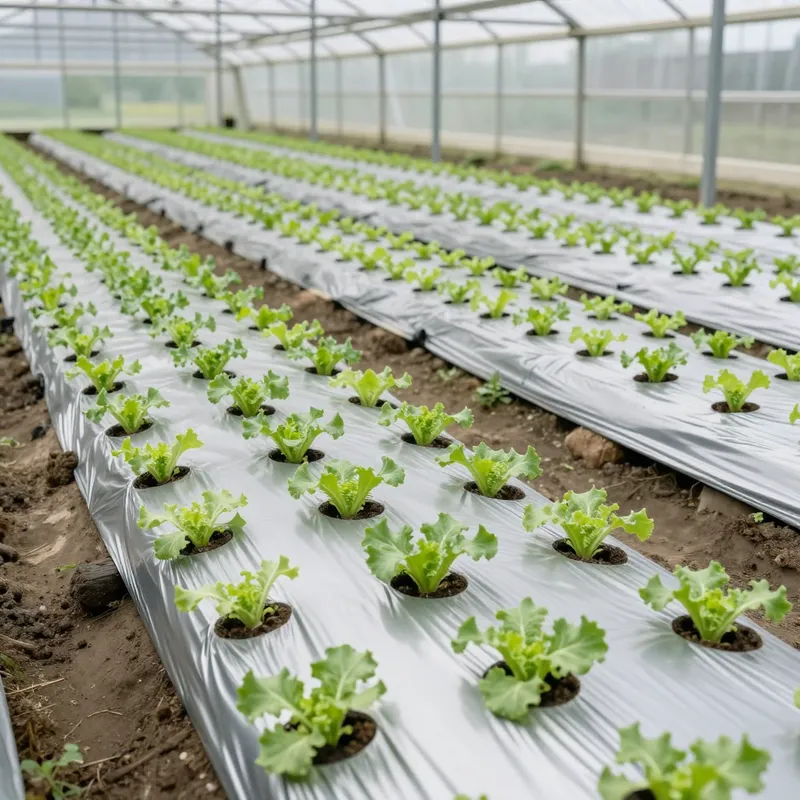
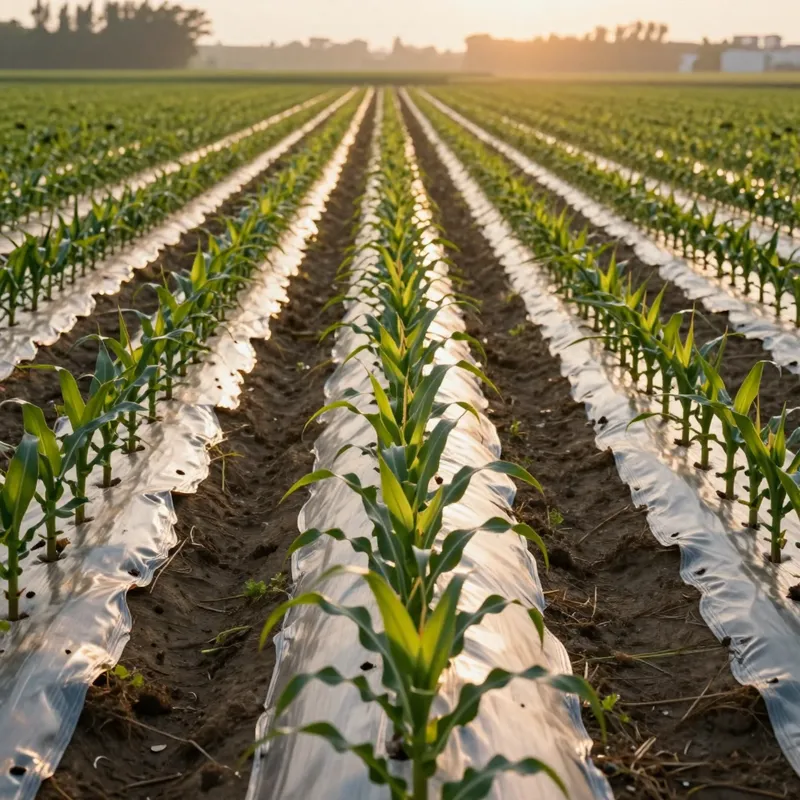
Select the PBAT+PLA mulch film around the crop, raised-bed width and planting layout. Share climate, soil, irrigation and season length for a relevant sample and field-trial plan.
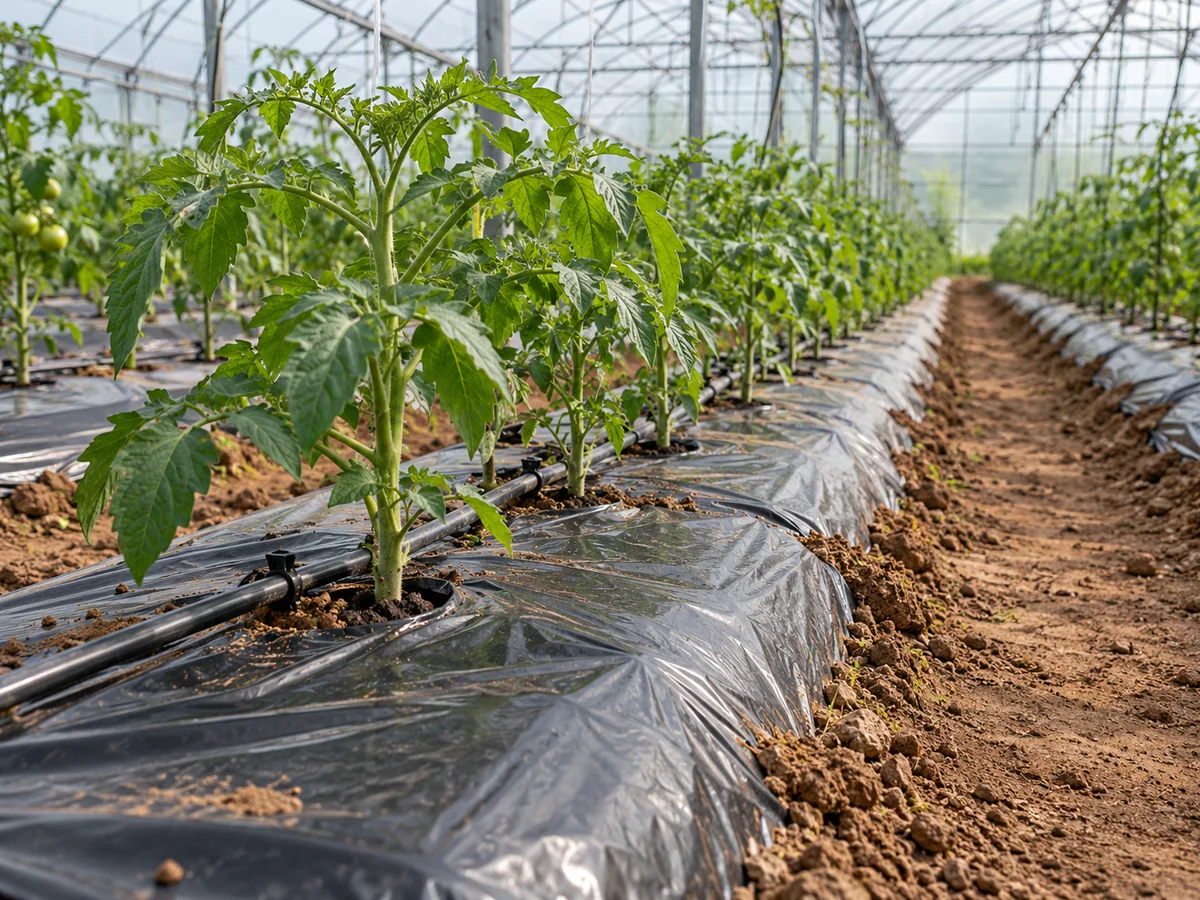
Coordinate film width, gauge and laying method with the protected-crop system. Review the intended growing cycle and local conditions rather than transferring settings from a different field.
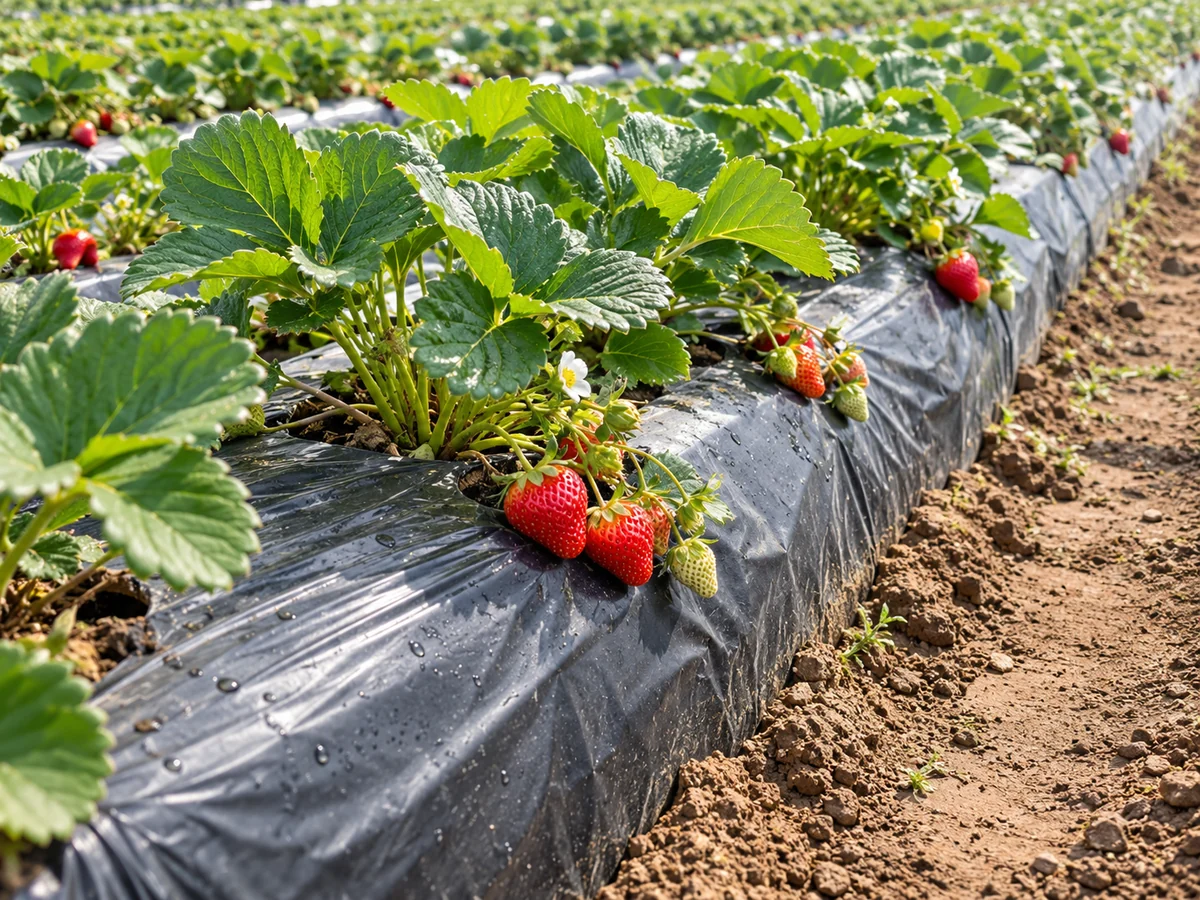
Review the mulch with the bed shape, plant spacing, irrigation and crop-care routine. Check the proposed construction through a representative field trial and the relevant soil-use documentation.
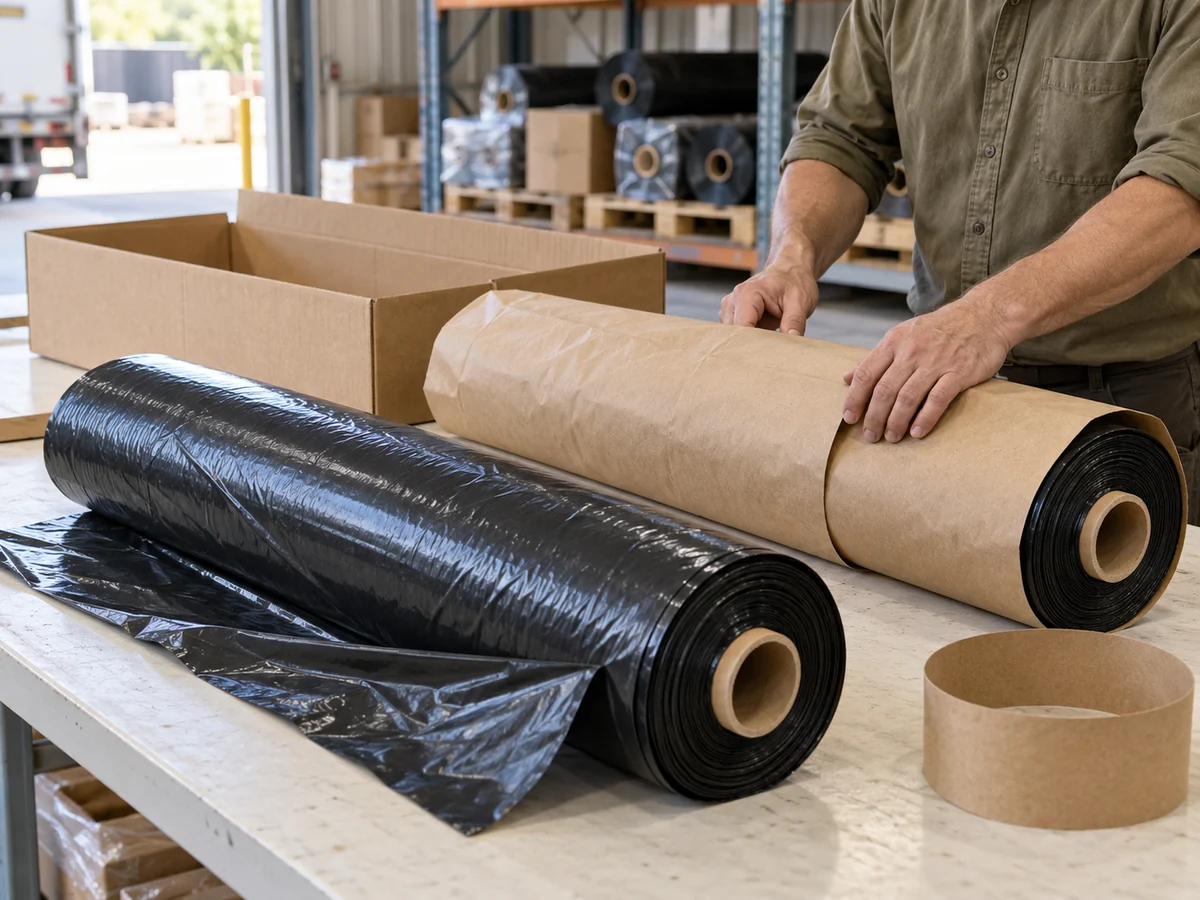
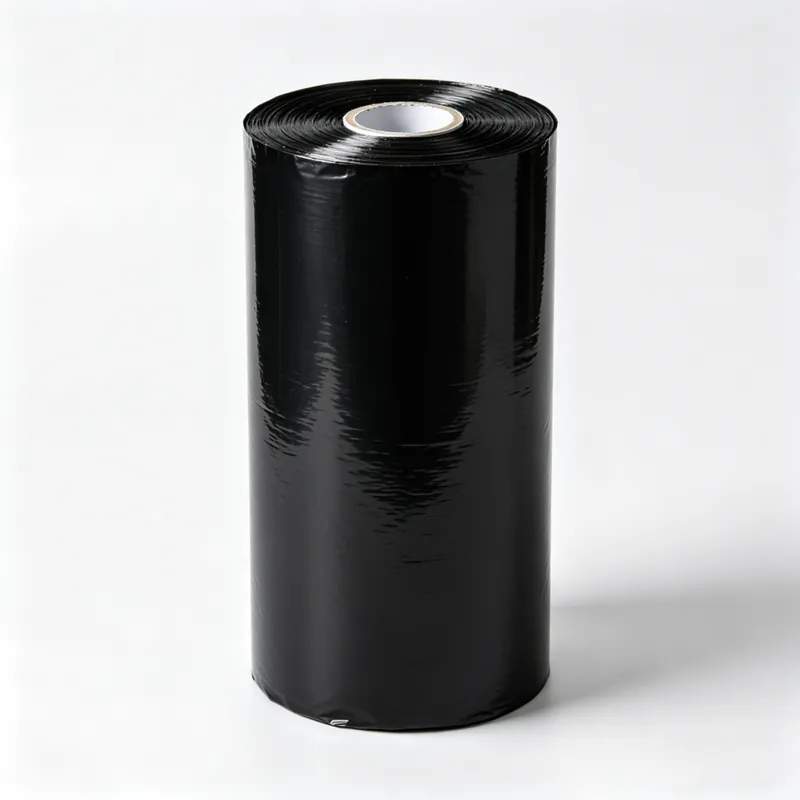
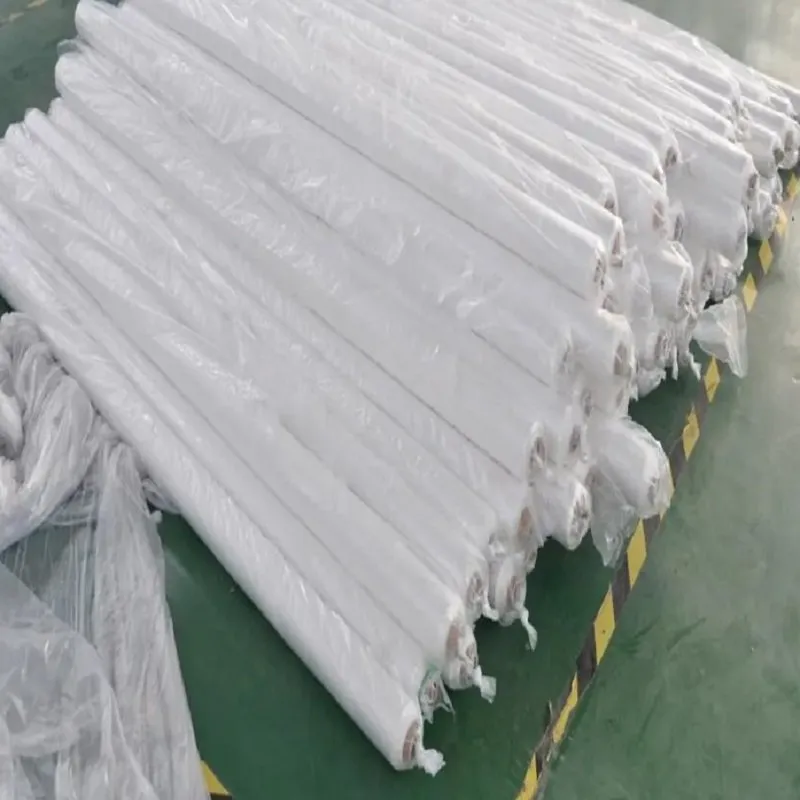
Build an identifiable roll program for growers and dealers. Agree width, usable length, gauge, colour, core, packing and handling instructions with the selected crop and region.
Certifications & product documents
Keep the specification, applicable certification and intended-use information connected to the product you order.
The European standard written for biodegradable mulch films: 90%+ biodegradation in soil within 24 months, ecotoxicity testing, and no-harmful-residue limits. Four-year field trial data across climate zones backs the 65:35 formulation.
Independent TÜV certification confirming real-soil biodegradation with no ecotoxic effects — audited annually, certificate verifiable on the public TÜV database.
Verifies the film also breaks down in managed composting facilities, so film fragments removed with plant residues can be composted rather than landfilled.
Use records for the exact agricultural mulch and intended soil environment, rather than substituting packaging-compostability documents.
Sample review
A useful sample represents the construction and use you plan to order. Share the benchmark and the observations that matter.
Confirm field, crop, bed and equipment details.
Trial laying and record performance during the intended crop cycle.
Approve the construction, product evidence and field-use instructions.
Not suitable for perennial crops or multi-year installations — biodegradation will begin within the first growing season. In arid soils (< 15% water holding capacity), biodegradation may be slower due to reduced microbial activity — plan for 12–18 month degradation timeline in very dry conditions. UV stabilizers deplete progressively — in high-UV environments (high altitude, equatorial), monitor film condition at month 4 and plan for potential mid-season degradation.
From comparison to quotation
Build a short sourcing brief. Add the details you know, then send it with your request for pricing, samples or product documents.
Specifications, a suitable sample and the commercial details for your selected configuration.
Product questions
The 65:35 PBAT/PLA formulation provides excellent tear propagation resistance — once laid and edge-buried, the film withstands wind gusts up to 60 km/h in field testing. Key to wind resistance is proper edge burial (10–15 cm depth) and adequate tension during laying. For extremely windy sites, we recommend 30μm+ gauge and closer planting hole spacing to reduce wind lift.
Yes. The film is compatible with mechanical transplanters (water-wheel and punch-type) at 25μm and above. The PBAT component provides the tear resistance needed for clean punch holes without propagating tears. For transplanters with aggressive punch mechanisms, we recommend 30μm gauge. Holes punched at laying time remain stable through the season — we have not observed hole enlargement or tearing at punch sites in field trials.
At 25μm gauge, 1.5m width, our biodegradable mulch costs approximately 35–40% more per hectare than LDPE mulch of equivalent dimensions. However, when factoring in LDPE removal and disposal costs (labor, transport, landfill/disposal fees estimated at 120–180 EUR/ha in Europe), the total cost of ownership for biodegradable mulch is approximately 5–10% higher — a premium most commercial growers find justified by the labor savings, sustainability benefits, and elimination of plastic waste liability.
Crop, location, planting and harvest dates, bed width, roll width, gauge, colour and volume.