Walk into any store today, and you’ll likely see them: bags proudly labeled “Biodegradable” or “Compostable.” They feel different, they sound eco-friendly, and they promise a cleaner conscience at the checkout. But what does “biodegradable” really mean? And are these bags the environmental hero we’ve been hoping for?
The answer, unfortunately, is more complicated than a simple “yes.”
What Does “Biodegradable” Actually Mean?
In simple terms, a biodegradable material can be broken down by microorganisms like bacteria and fungi into water, carbon dioxide, and organic matter (compost). It’s a natural process of returning to the earth.
However, the key lies in the conditions and the timeline.
This is where we must distinguish between two critical terms:
- Biodegradable: This is a broad term. It means the bag will break down, but it doesn’t specify how long it will take or what environment is required. A plastic bag can technically biodegrades over 500 years.
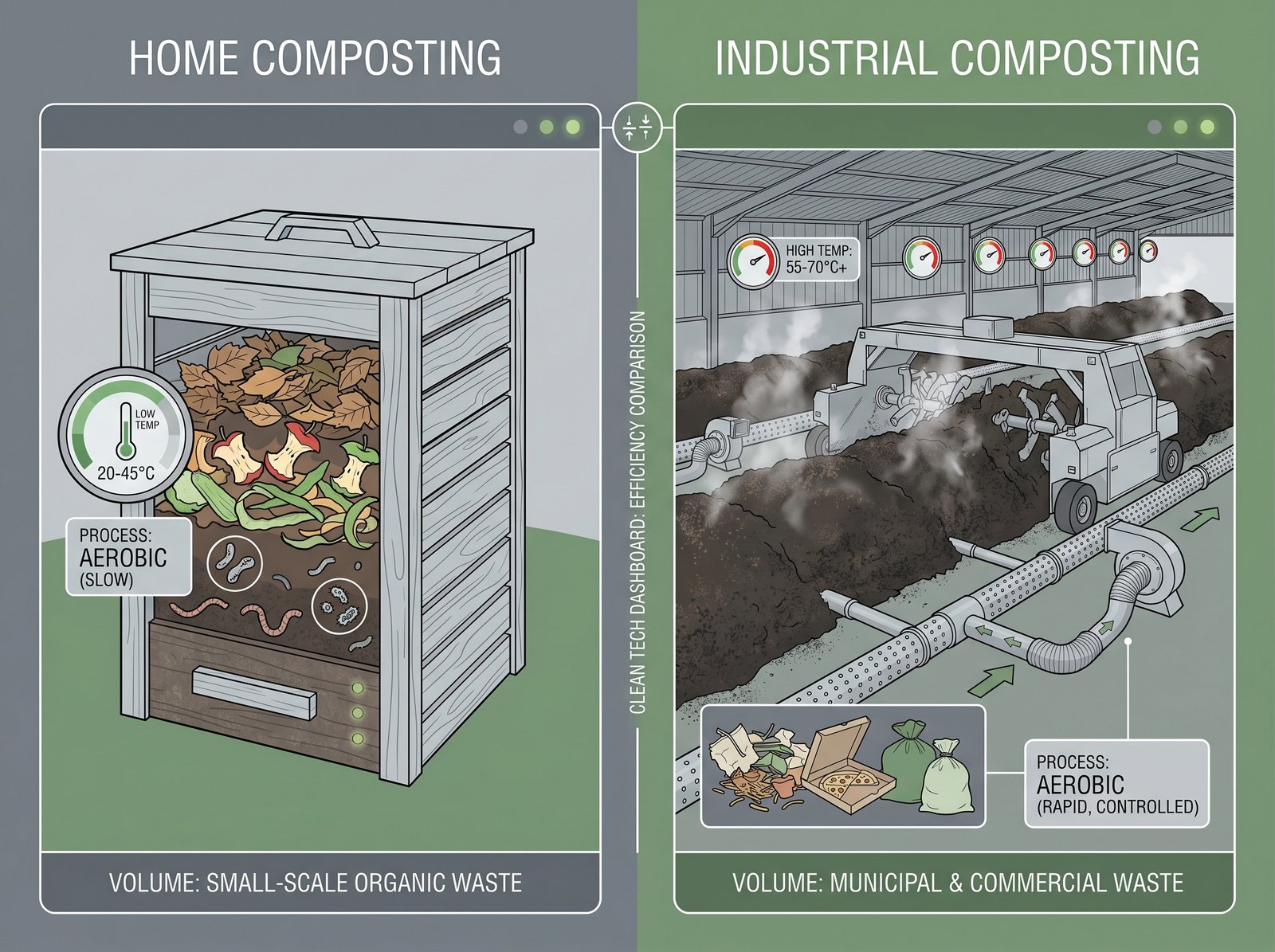
- Compostable: This is a much stricter and more meaningful term. A compostable bag is designed to break down into non-toxic, nutrient-rich compost within a specific timeframe in a commercial composting facility, which provides the ideal conditions of heat, moisture, and aeration.
Think of it this way: All compostable items are biodegradable, but not all biodegradable items are compostable.
The Problem with “Biodegradable” Bags
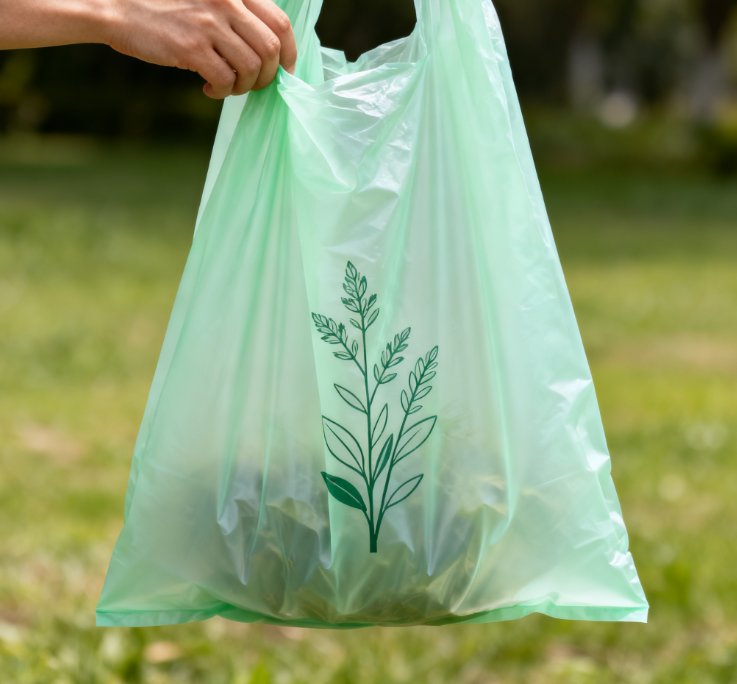
The well-intentioned switch to biodegradable bags often faces several real-world hurdles:
- They Need the Right Environment: Most “biodegradable” bags require the high temperatures of an industrial composting facility to break down efficiently. If you toss one into your home compost, it will likely take much, much longer. And if it ends up in a landfill, buried under layers of trash without oxygen, it may not break down properly at all, potentially releasing methane—a potent greenhouse gas.
- Contamination is a Major Issue: When people mistakenly place biodegradable or compostable bags in the recycling bin, they can contaminate the entire batch of recyclable plastics, making them unusable.
- The “Littering License”: Some critics argue that the “biodegradable” label can make people feel less guilty about littering, assuming the bag will just disappear. In reality, littered bags still take a long time to break down and can harm wildlife in the process.
So, What’s the Right Way to Use Them?
Don’t lose hope! Compostable bags, when used correctly, are a valuable tool. Here’s how to be a responsible user:
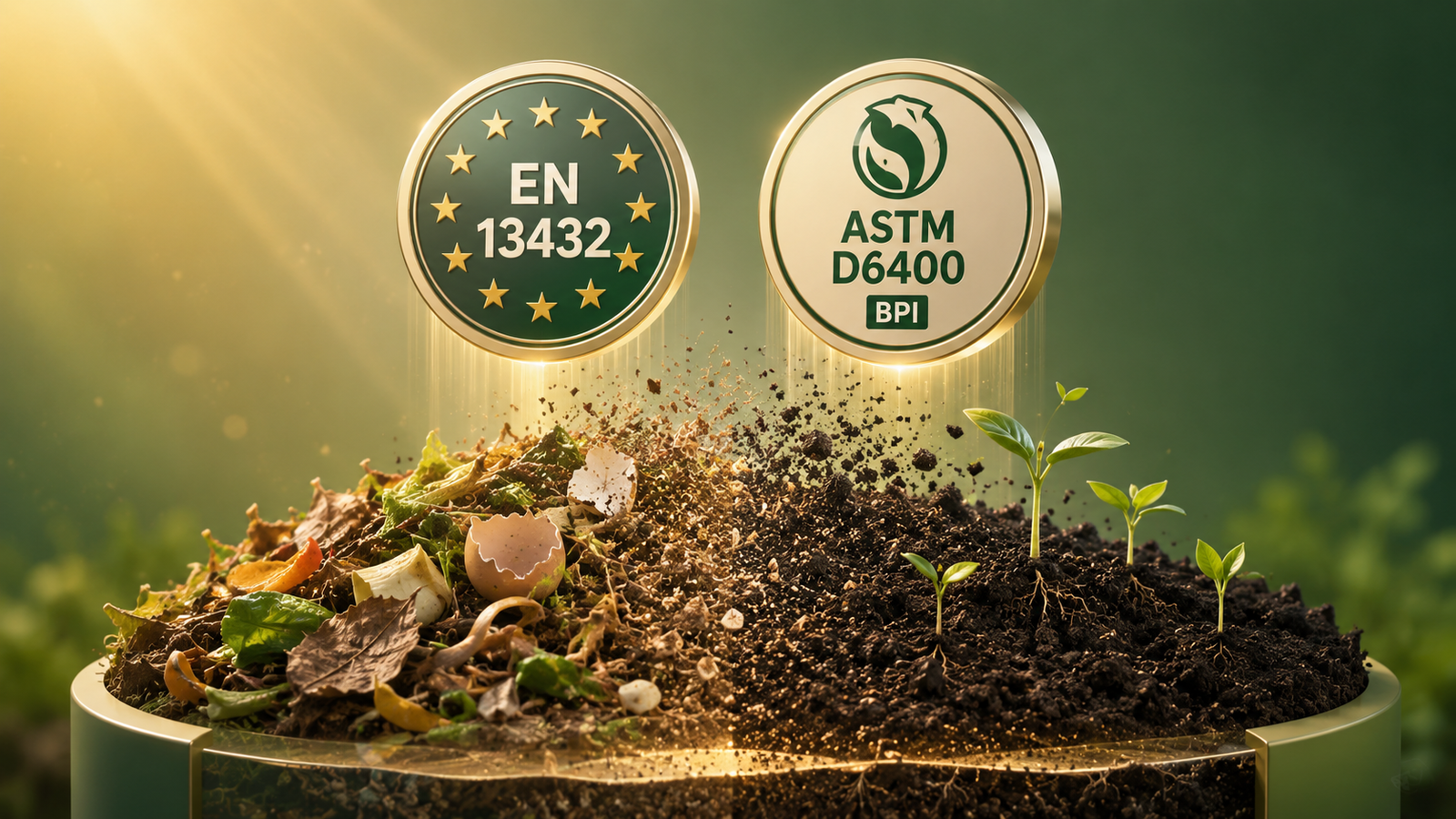
- Choose “Compostable” over “Biodegradable”: Look for official certifications on the bag, such as BPI (USA) or the Seedling Logo (Europe). These certifications guarantee the bag meets strict compostability standards.
- Know Your Local System: The single most important step is to check if your local waste management service accepts compostable plastics. If they do, you can use these bags to collect your food scraps and then toss the entire bag into the designated organic waste bin.
- Never Recycle Them: Keep them out of your regular plastic recycling. They are not the same material and will cause problems at the recycling facility.
- The Ultimate Goal is Reduction: No bag is a perfect solution. The most sustainable choice will always be to reduce your consumption first. A durable, reusable bag you take to the store hundreds of times has a far lower environmental impact than any single-use alternative.
The Bottom Line
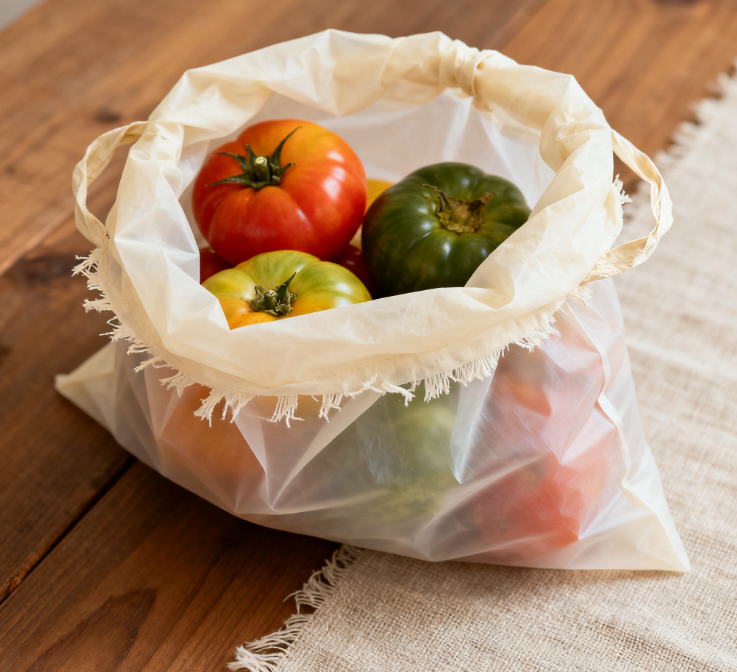
Biodegradable and compostable bags are a step in the right direction, but they are not a magic bullet. They are a specialized tool for a specific waste stream—organic material.
True progress comes from a shift in mindset: from a disposable culture to a circular one. By understanding the labels, supporting the right infrastructure, and prioritizing reusables, we can ensure our good intentions lead to genuinely positive outcomes for our planet.
Next time you reach for that bag, think: Reduce first, reuse second, and compost correctly if you must.