Walk into any store today, and you’ll see them: bags labeled “biodegradable,” “compostable,” or “plant-based.” In our collective fight against plastic pollution, these alternatives seem like the perfect hero. But are they truly the environmental saviors they claim to be?
The answer is more complicated than a simple yes or no. Let’s untangle the facts about biodegradable bags.
What Does “Biodegradable” Actually Mean?
In simple terms, a biodegradable material can be broken down by microorganisms like bacteria and fungi into water, carbon dioxide, and organic matter. It sounds ideal, right? The problem lies in the conditions and the timeline.
Not all biodegradation is created equal. A banana peel is biodegradable, but if you throw it on the sidewalk, it will take a long time to disappear. The same principle applies to bags.

The Different Types of “Eco-Friendly” Bags
- Biodegradable Plastics: Often made from traditional petroleum-based plastics with additives to help them break down. They fragment into microplastics and still require specific industrial conditions to degrade fully.
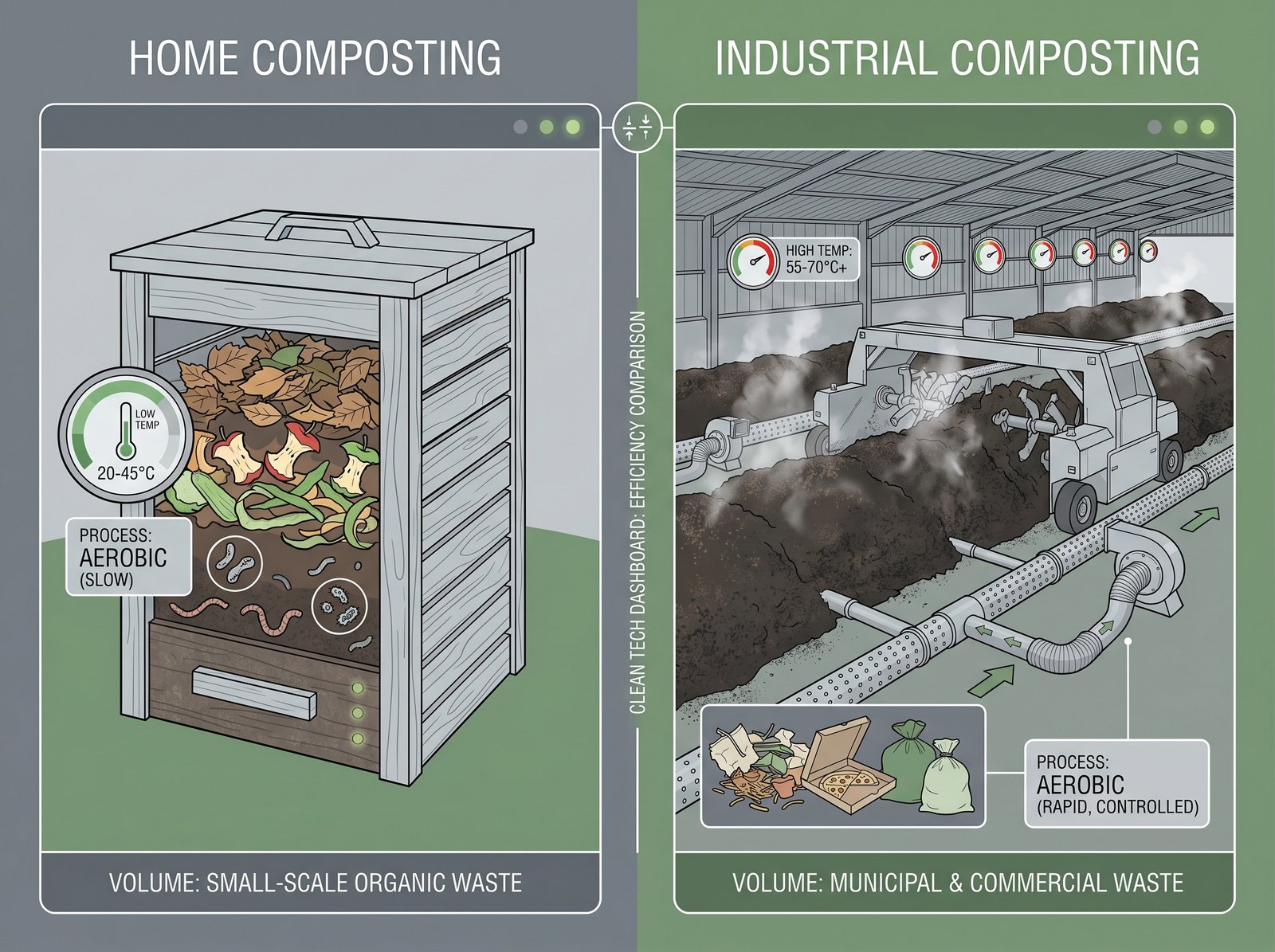
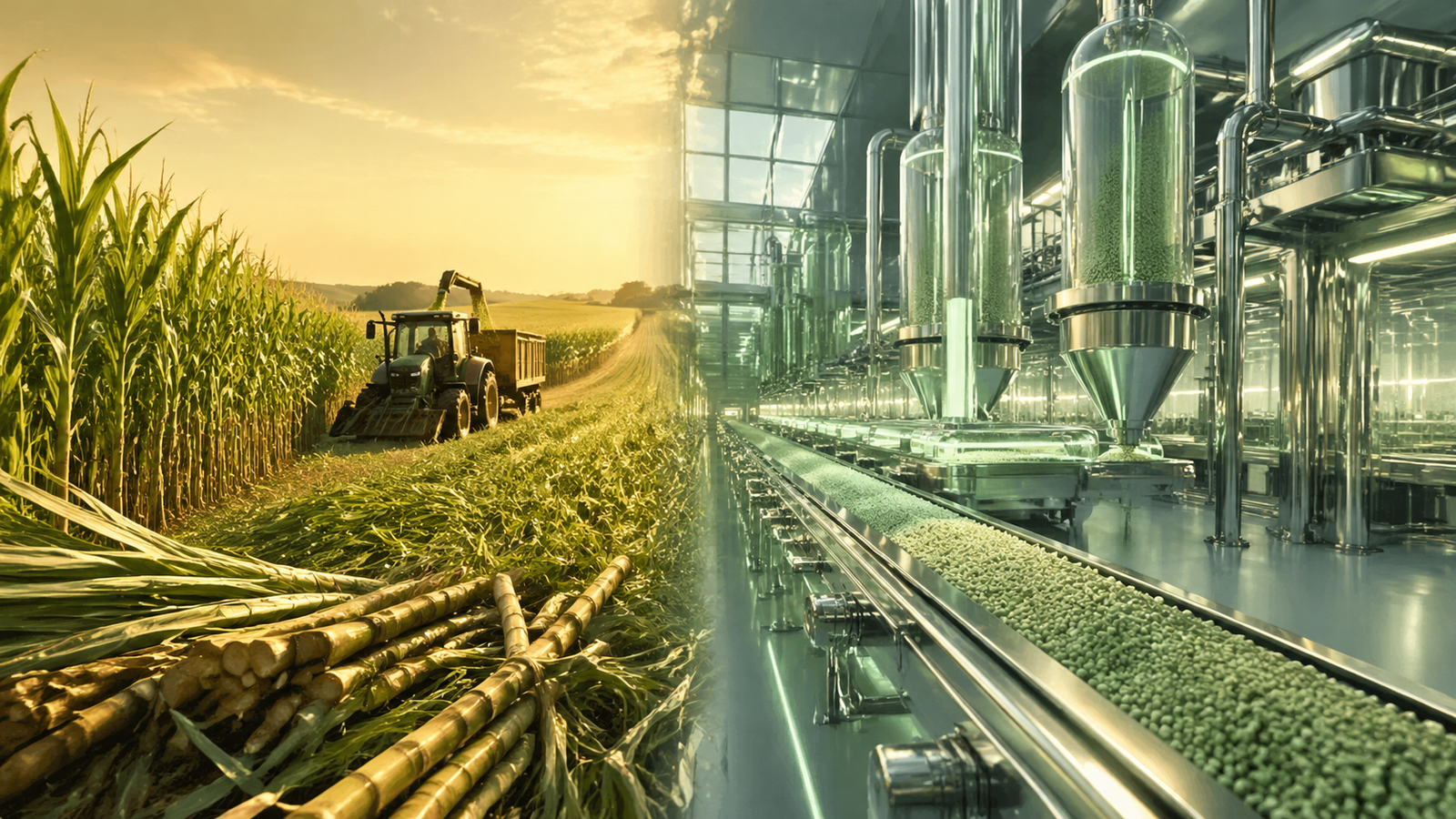
- Compostable Plastics: This is the gold standard. These bags are typically made from plant materials like corn starch, sugarcane, or potato starch. To earn the “compostable” label, they must break down into non-toxic, nutrient-rich compost within a specific timeframe (usually 90-180 days) in a commercial composting facility.
- Bio-based Plastics: These are made from renewable biological resources but aren’t necessarily biodegradable or compostable.
The key takeaway? “Compostable” is a regulated term with specific requirements, while “biodegradable” is often vague and unregulated.
The Good: The Potential Benefits
When used and disposed of correctly, compostable bags offer real advantages:
- Reduced Fossil Fuel Use: They are made from renewable plants, not petroleum.
- Circular Economy: In a commercial composter, they turn into compost that can nourish soil, creating a closed-loop system.
- No Persistent Plastic Pollution: They are designed to break down completely, leaving behind no harmful microplastics.
The Not-So-Good: The Challenges and Pitfalls
This is where the “green lie” often comes in. The biggest issues are:
- Contamination: If a compostable bag ends up in the recycling bin, it can contaminate an entire batch of recyclable plastic. If a regular plastic bag is thrown into a compost bin, it ruins the compost.
- Misleading Labels: The term “biodegradable” can be misleading. A bag that biodegrades in an industrial facility over 12 months will not do the same in your backyard or the ocean.
- Lack of Infrastructure: Many cities lack industrial composting facilities. Without access to these facilities, a compostable bag is often sent to a landfill, where it may not break down any faster than a regular plastic bag due to a lack of oxygen.
So, What Should We Do? A Consumer’s Guide
Don’t be discouraged! The solution lies in being an informed consumer.
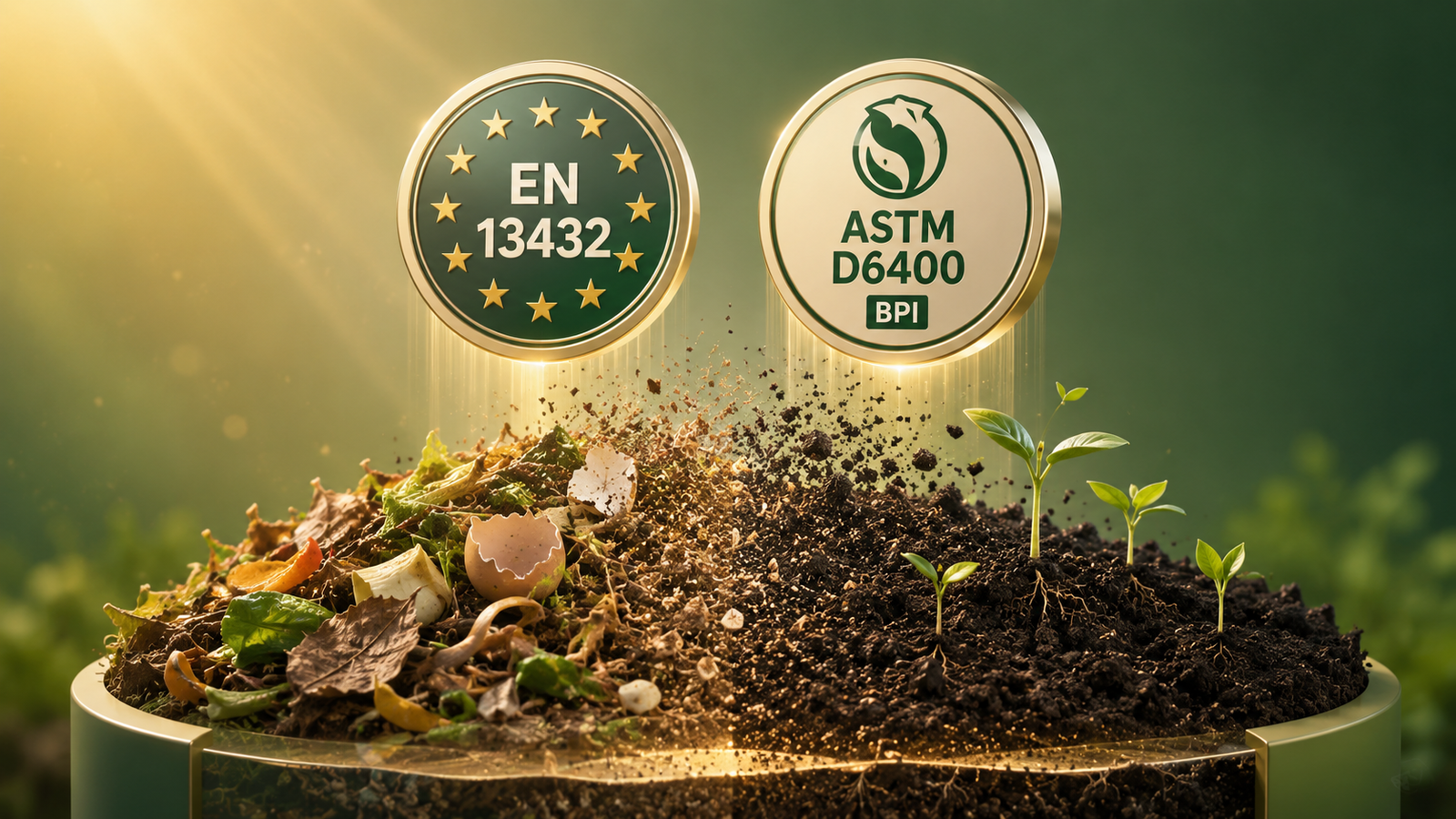
- Look for Certified Labels: When buying bags, look for official certifications like “ASTM D6400“ or the “BPI Certified Compostable“ logo. This guarantees the bag meets strict compostability standards.
- Know Your Local System: This is the most crucial step. Contact your local waste management authority. Do they accept compostable bags in your green bin? If not, these bags might not be the right choice for you.
- Reduce and Reuse First: The most sustainable bag is the one you already own. No bag—even a compostable one—has zero environmental impact. Always prioritize:
- REDUCE: Do you need a bag at all?
- REUSE: Bring your own sturdy, reusable bags for shopping.
- Dispose of Them Correctly:
- Compostable Bags: Only in your industrial compost bin (if available).
- Biodegradable Bags: If no industrial composter is available, they often must go in the trash, as they can contaminate recycling streams.
- Never litter, assuming they will just “disappear.”
The Bottom Line
Biodegradable and compostable bags are a step in the right direction, but they are not a magic bullet. They are a useful tool only within a supported system that can process them correctly.
Ultimately, the goal isn’t just to swap one single-use item for another. It’s to cultivate a mindset of reduction and reuse. By understanding the nuances and making informed choices, we can ensure our good intentions lead to genuinely positive outcomes for our planet.