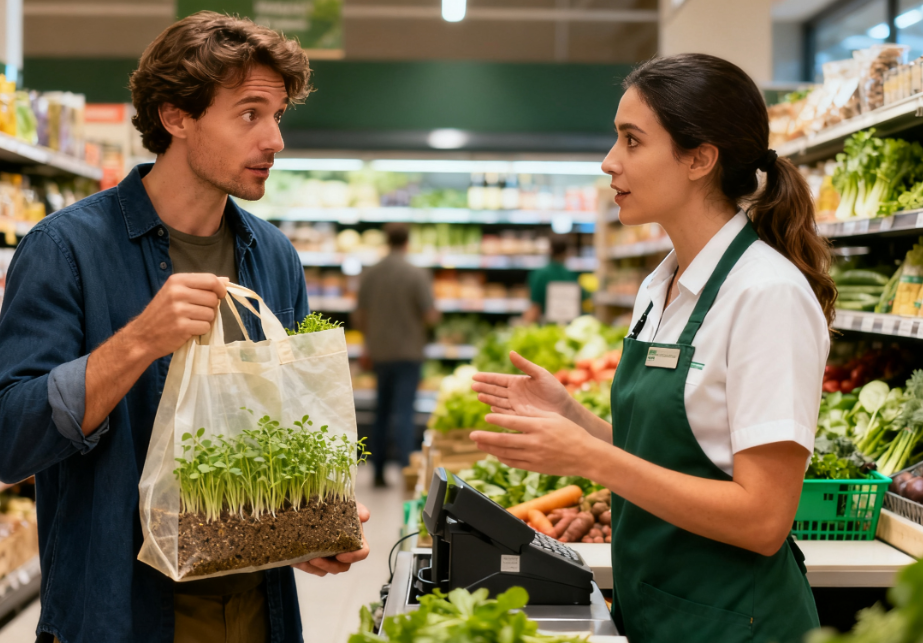
In the supermarket, I picked up a biodegradable shopping bag and carefully looked at the new biodegradable seed coating on it. “When this bag is buried in the soil after use, can it really decompose and grow plants?” I asked the shopping guide curiously. This seemingly simple problem, the core of modern biodegradable bag technology, will not only disappear, but also have a positive impact on the environment.
Raw material innovation: a breakthrough in sustainable materials
Our biodegradable bag adopts innovative PLA/PBAT composite system, which ensures the performance and realizes the whole life cycle environmental protection.
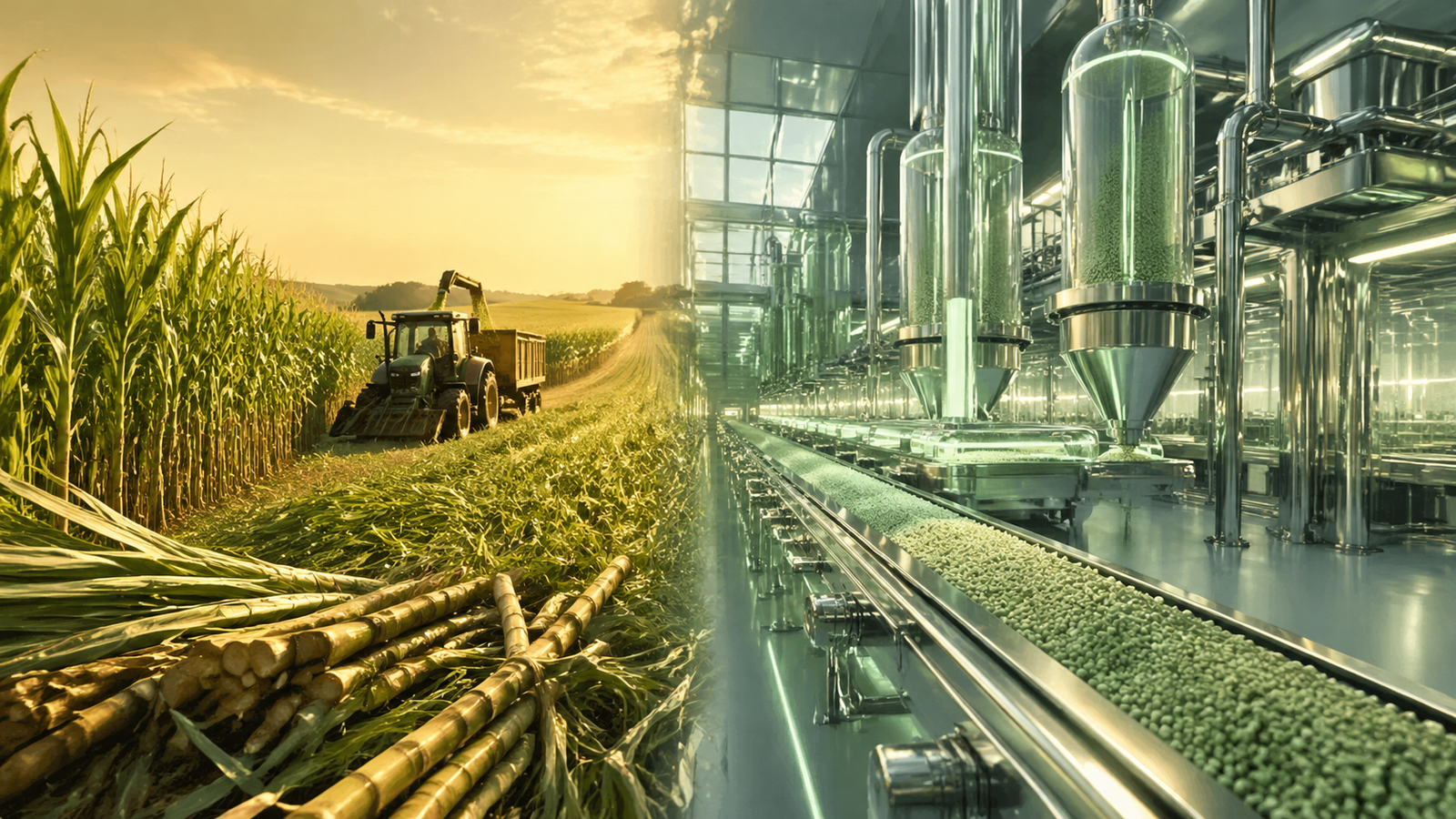
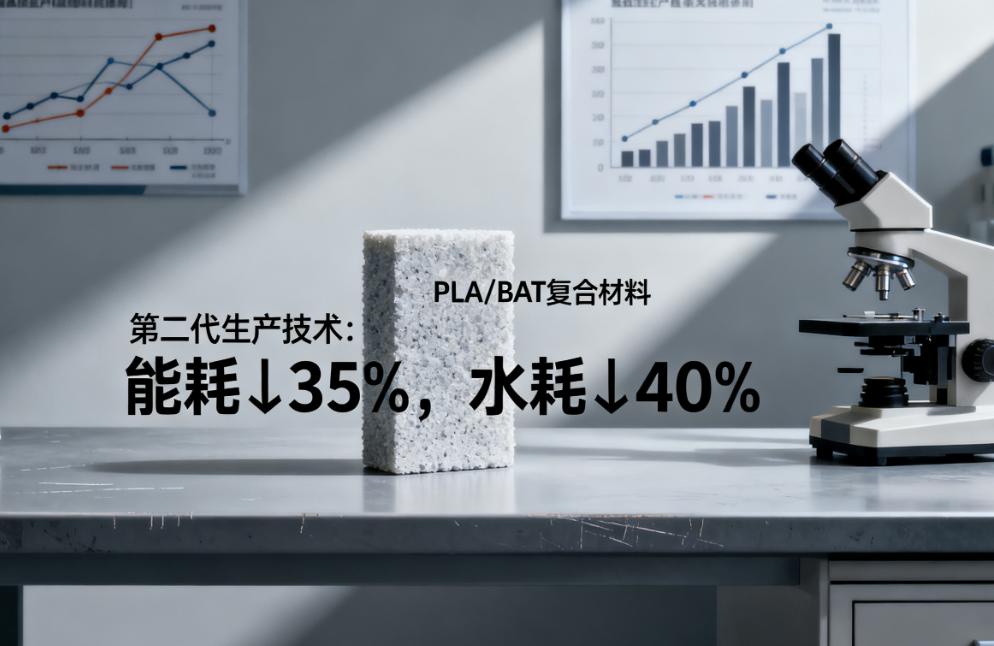
The breakthrough of PLA raw materials lies in the adoption of the second generation production technology. Compared with the traditional process, the new process reduces energy consumption by 35% and water consumption by 40%. The “corn-biogas-organic fertilizer” cycle model established by us and the agricultural cooperative ensures that the production of PLA can reduce carbon emissions by 2.3 tons per ton.
The improvement of PBAT is reflected in the design of molecular structure. By introducing a new catalyst, we successfully reduced the synthesis temperature of PBAT from 180℃ to 150℃, which not only reduced the energy consumption, but also improved the thermal stability of the product by 25%. After testing, the degradation induction period of improved PBAT in soil was shortened by 40%.
Finally, our plant fiber reinforcement technology. By adding bamboo fiber and straw fiber, not only the mechanical strength of the bag is improved, but also the later degradation is promoted. According to the measured data, the tear strength of the bag containing 15% plant fiber is increased by 30% and the degradation period is shortened by 20%.
Certification system: a rigorous test of global standards
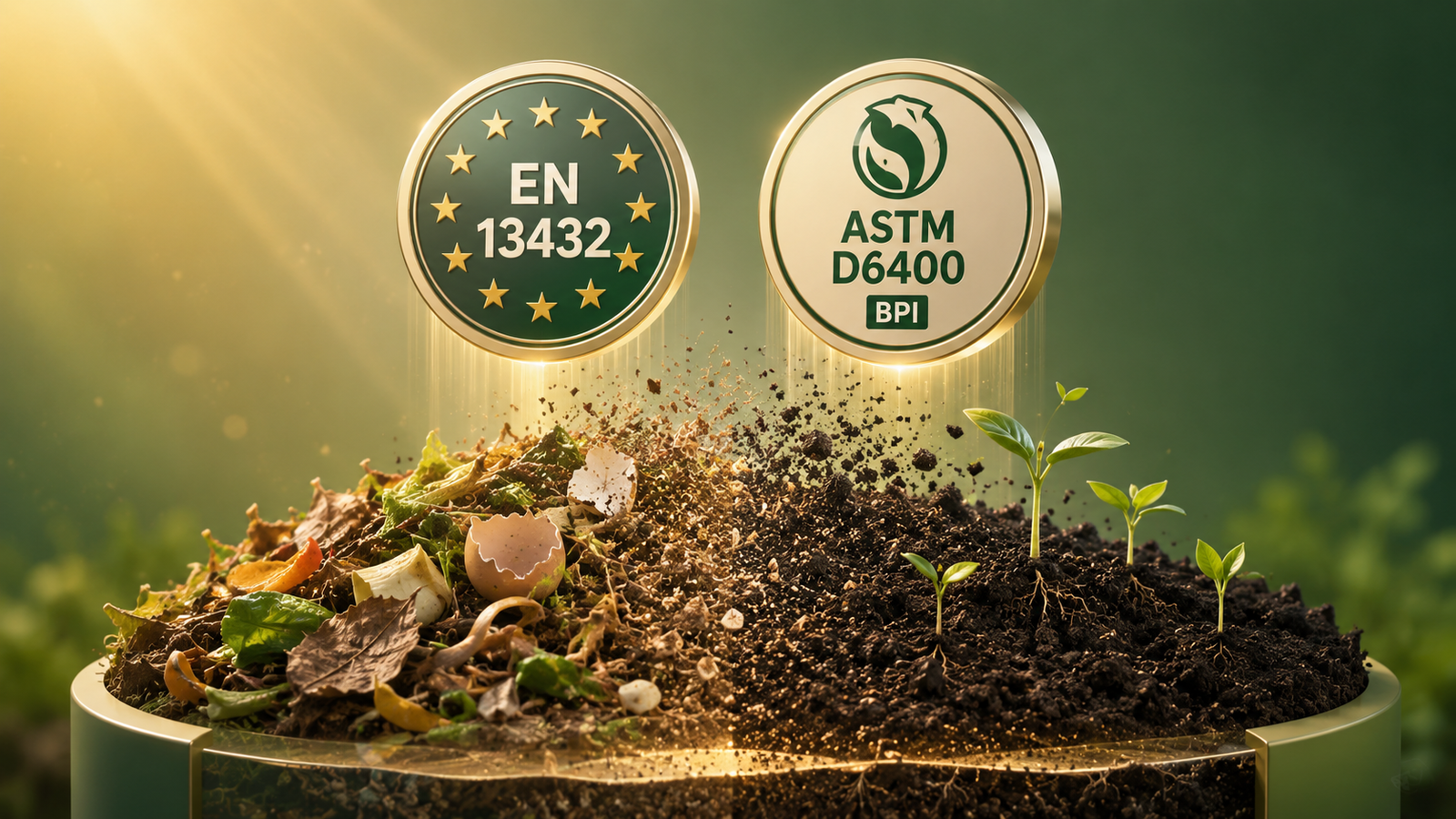
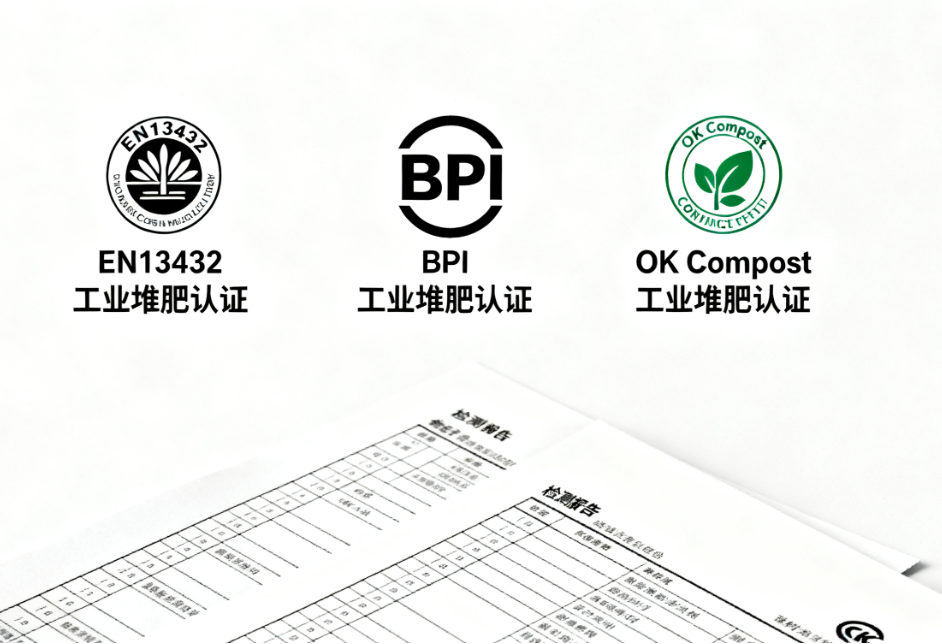
Obtaining international certifications such as EN13432, BPI, OK Compost, etc. means that products need to undergo the most stringent quality test.
In terms of degradation performance, our test data show that:
In the industrial composting environment, the initial degradation signs appeared in 30 days.
The degradation rate reached 82% in 75 days.
89% degradation was completed in 135 days.
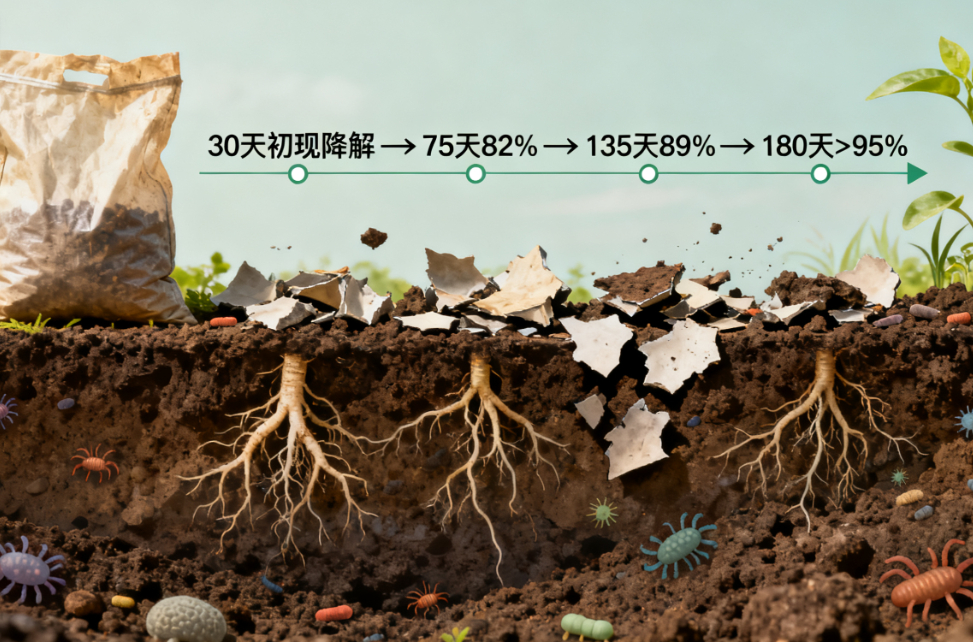
After 180 days, the final degradation rate exceeded 95%
The ecological security test establishes a multidimensional evaluation system:
The survival rate of earthworm in 14-day acute toxicity test was 97%
The germination index of plants reached 98%
Soil microbial activity increased by 22%
Zero detection of biotoxicity in water body
Realistic dilemma: the challenge of industrial chain coordination
Although technological progress has been remarkable, the development of the industry still faces systemic challenges.
The lack of recycling facilities restricts the development of the industry. Data display:
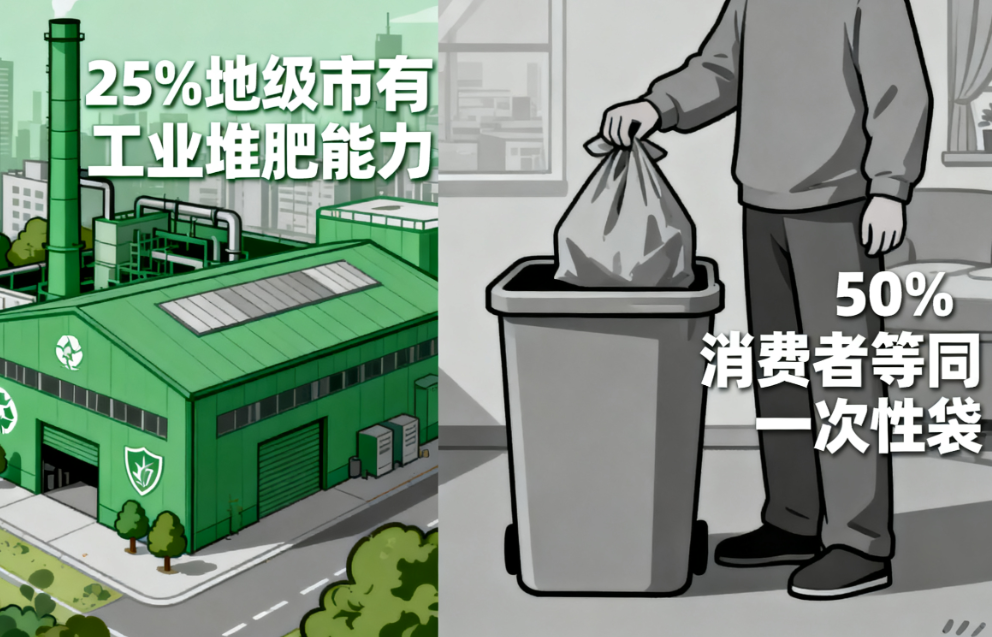
Only 25% of prefecture-level cities in China have industrial composting capacity.
Only 60% of the completed composting facilities can operate stably.
The mixing rate of biodegradable bags in domestic garbage is less than 5%
There are also obvious deviations in consumer cognition. Our investigation found that:
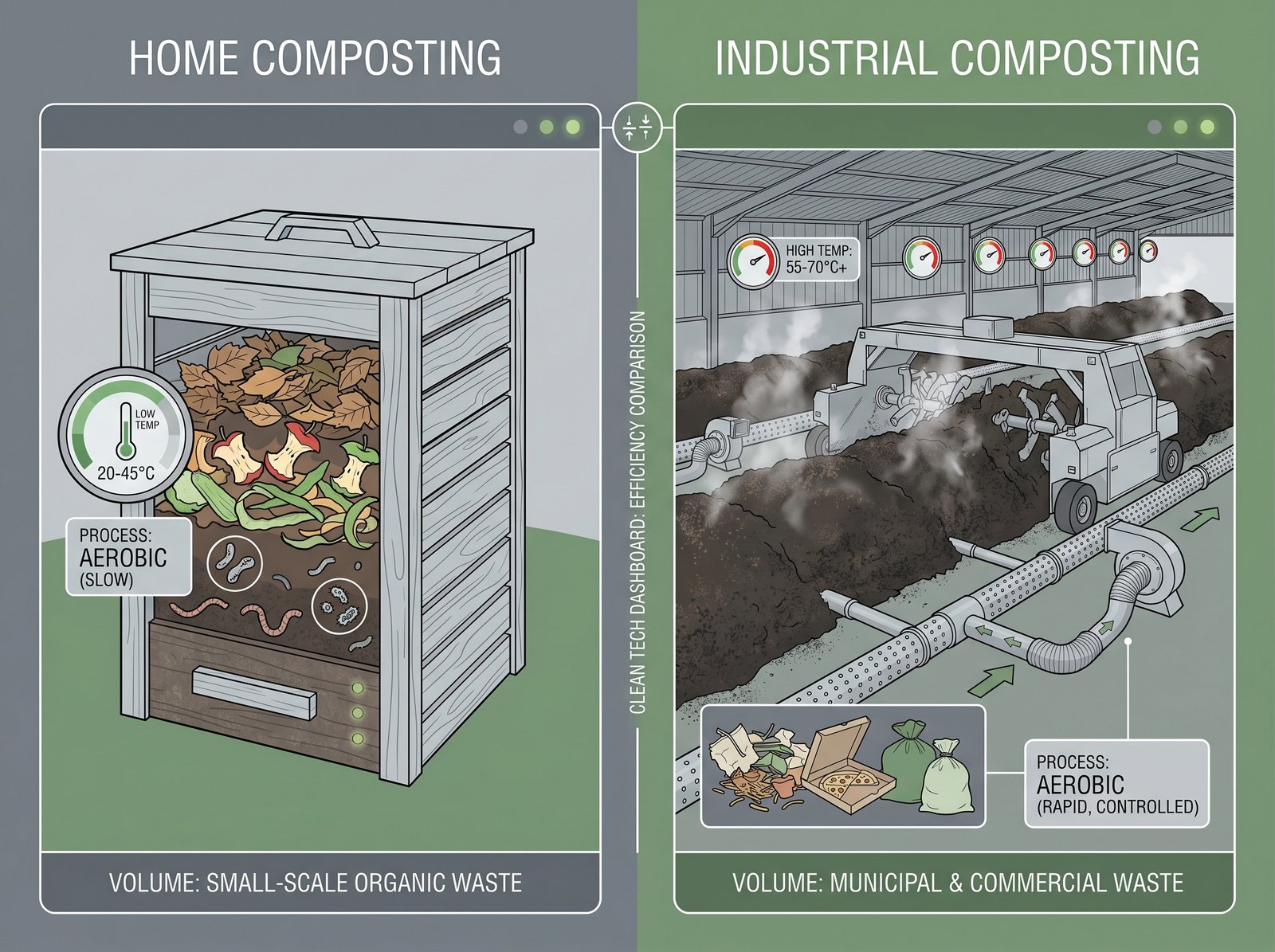
70% consumers don’t know the difference between industrial compost and domestic compost.
Only 15% of consumers can correctly identify all kinds of certification marks.
More than 50% consumers equate biodegradable bags with disposable bags.
Technological Innovation: Breakthrough of Systematic Solutions
To meet these challenges, we are promoting a number of innovative practices.
Intelligent packaging system is a breakthrough for us. Accurate management is achieved through the following technologies:
Temperature-sensitive ink: automatic color change warning when the ambient temperature exceeds the safety threshold.
Visual degradation indication: display degradation progress through color change.
In the aspect of formula optimization, we developed the “precise degradation” technology. By adjusting the crystallinity of the material and adding specific degradation promoters, the following are achieved:
Maintain stable performance during use.
Quickly start degradation after entering composting environment.
The degradation time error under different climatic conditions is controlled within 10 days.
We have also established a digital management platform of “production-use-recycling”. Through the blockchain technology, it is realized that:
Transparency of raw material traceability
Visualization of production process
Traceability of recycling treatment
User’s guide: a practical manual for building a circular economy.
Proper use of biodegradable bags requires the joint efforts of consumers and enterprises;
Key points of authentication and identification:
EN13432 mark: industrial compost certification
BPI mark: American biodegradation certification
OK Compost: EU Compost Certification
Precautions for use:
It is recommended to reuse it for more than 8-12 times.
Suitable load-bearing range is 3-6kg.
Avoid prolonged exposure to the sun.
The storage temperature shall not exceed 35℃
Guidelines for recycling:
Confirm the type of local treatment facilities.
Classified delivery as required.
Keep the bag relatively clean and dry
Future prospect: the realization path of circular economy
We are developing new products, showing exciting prospects:
In terms of production technology, we are building a “zero carbon factory”. Realize green manufacturing through the following measures:
100% use renewable energy.
The recycling rate of process water reaches 95%
100% recycling of production waste.
At the same time, we are building a “community circulation system”. Through cooperation with communities, supermarkets and processing enterprises, we will establish:
Convenient recycling network
Transparent processing flow
Sustainable business model
“The value of biodegradable bags lies not only in their environmental protection characteristics, but also in the systematic changes it promotes.” As our director of sustainable development said, “this requires the concerted efforts of all links in the industrial chain, from raw material innovation to consumer education, from technological breakthrough to facility construction.”
We believe that through continuous innovation and industrial synergy, biodegradable bags will become an important force to promote green development and contribute substantial value to the realization of circular economy.
(The data in this paper comes from enterprise laboratory records, third-party testing reports and statistics of trade associations.)