In the market, the boss is using a special plastic bag to pack vegetables for customers. “Does this bag feel different from ordinary plastic bags?” He smiled and said to the customer, “This is made of corn. When it is used up, it can be directly put into kitchen waste, which will eventually become fertilizer and return to the field.”
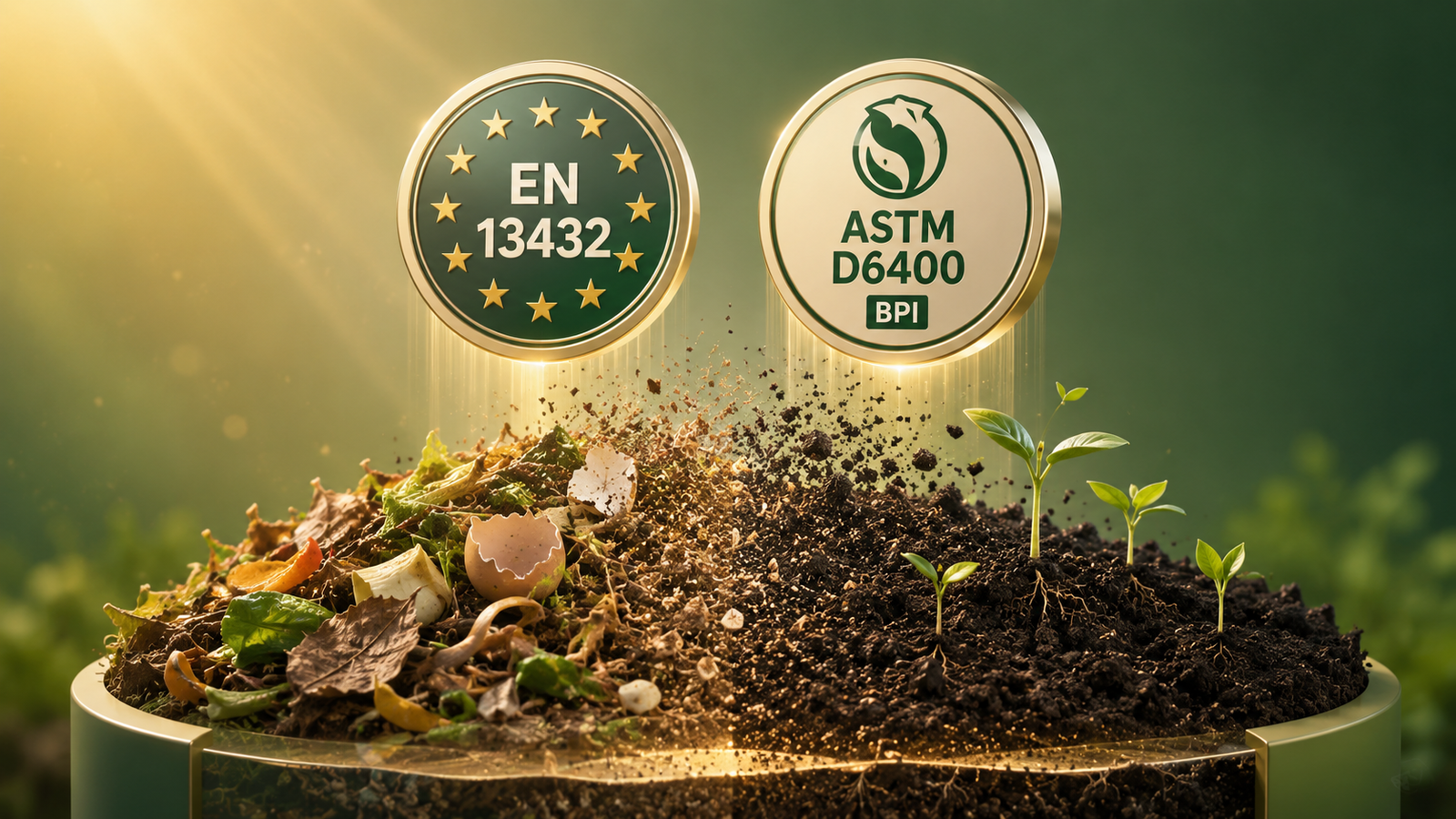
Such a scene is quietly staged in markets all over the country. These magical bags are all biodegradable bags which are made of PLA+PBAT and have passed the triple certification of BPI, EN13432 and OK Compost. Let’s explore the story behind green mile.

Revolution of raw materials: from field to factory
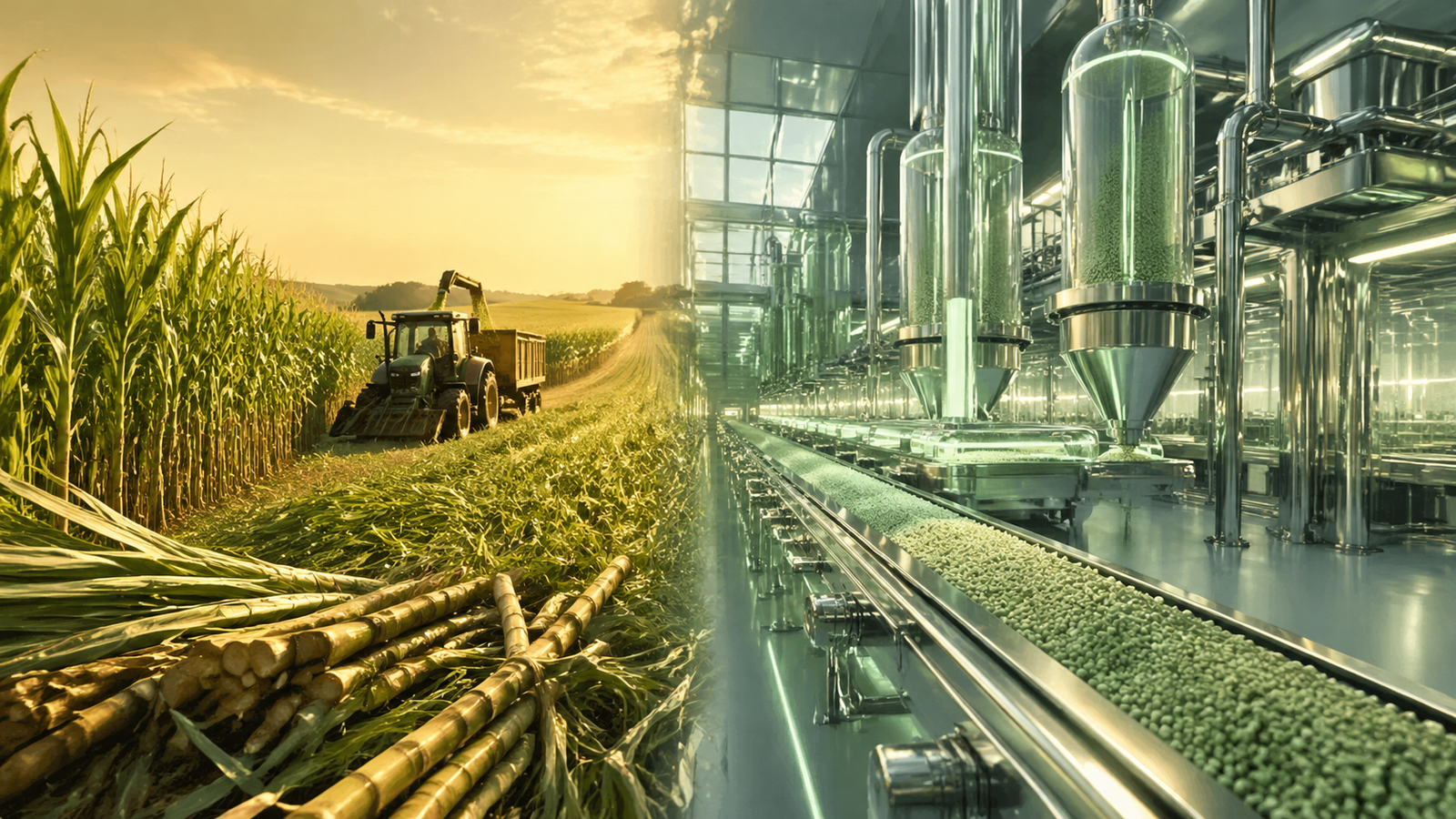
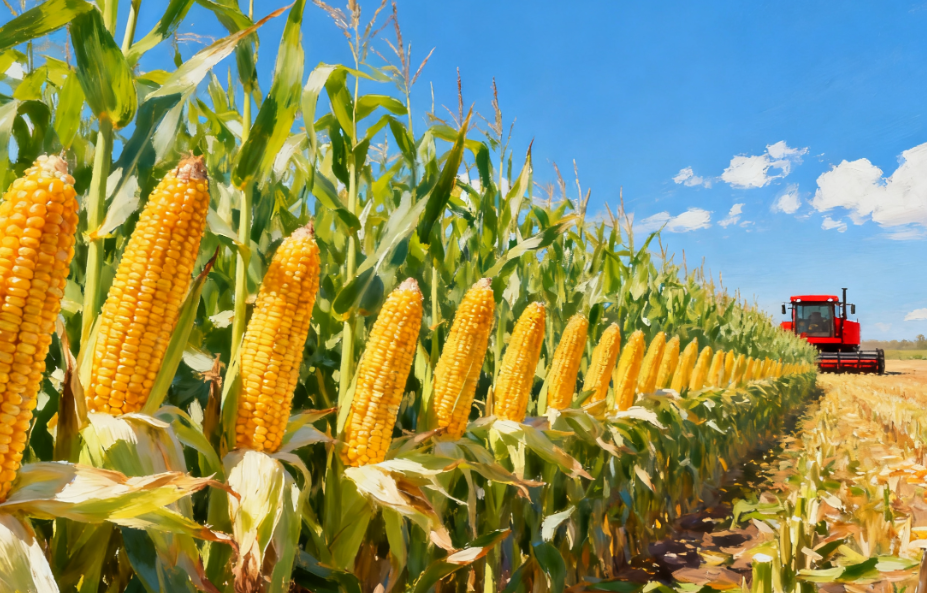
The starting point of every bag’s life is in the corn field. We strictly screen non-edible corn and transform starch into high-performance PLA through patented biological fermentation technology. This innovative process reduces the energy consumption per ton of PLA by 35% and the water consumption by 40% compared with the traditional process.
Compared with the traditional plastics, we chose the bio-based PBAT as the best partner. The breakthrough of this material lies in that it not only has the excellent performance of traditional plastics, but also can be completely decomposed into carbon dioxide, water and biomass by microorganisms in composting environment. “Through the design of molecular structure, the degradation time of PBAT can be accurately controlled within 90-180 days.” The R&D engineer added.
Triple certification must be implemented in accordance with national standards.
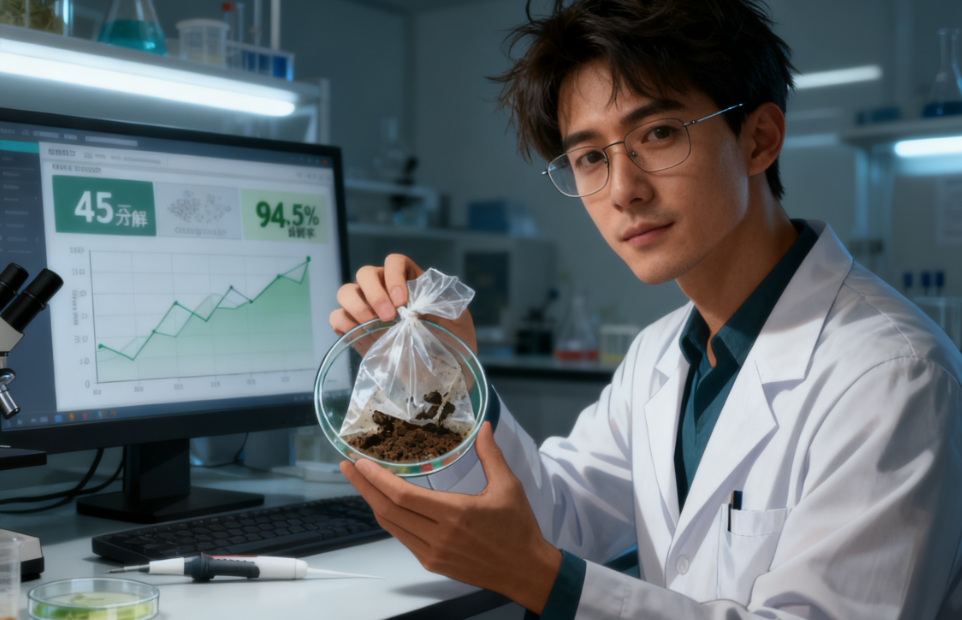
When our products enter the certification process, we must treat them strictly. In the laboratory certified by BPI, the samples have to undergo 180 days of strict monitoring in the composting environment at 58℃. The latest test data shows that our product began to disintegrate on the 45th day, and the degradation rate reached 88% on the 20th day, and finally passed the certification with an excellent degradation rate of 94.5%.
EN13432 certification. Our products are outstanding in the ecological toxicity test: the survival rate of earthworm in 14 days acute toxicity test reaches 98%, and the plant germination index is as high as 102%, which is far superior to the standard requirements. “We are most proud of the results of heavy metal detection,” the quality supervisor said. “All indicators are below the limit of 50%, which means that our products are absolutely safe for the soil.”
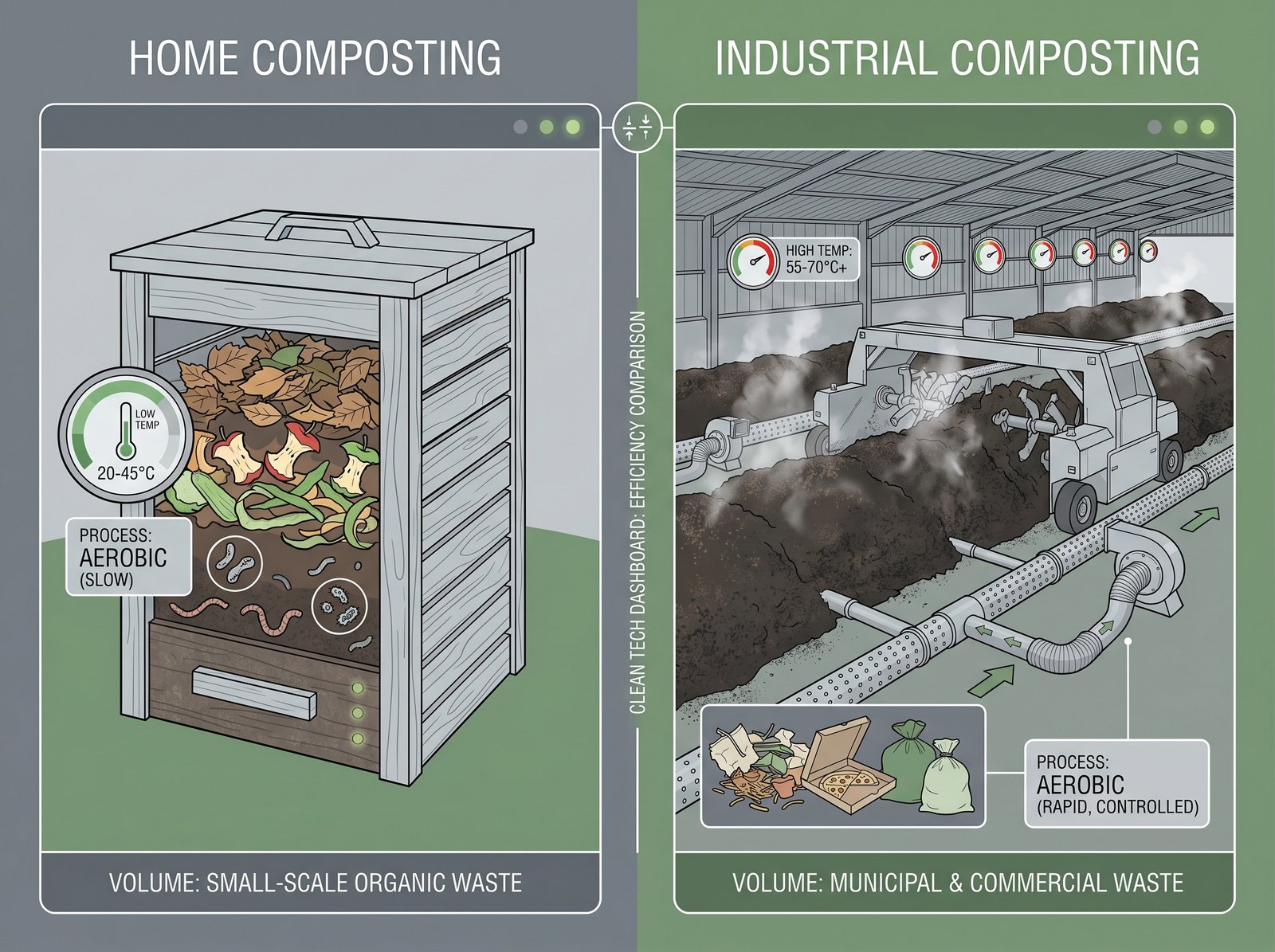
OK Compost certification. In the environment of simulating domestic compost, our bags show stable degradation performance, and can maintain consistent degradation effect even under different temperature and humidity conditions.
Technological Breakthrough: Innovation Drives Development
Recently, our R&D team has made a great breakthrough: through nano-crystal nucleus regulation technology, intelligent degradation channels have been built in PLA molecular chains. “It’s like installing a timer on the material,” the researchers explained. “It remains stable during the use stage, and once it comes into contact with specific microorganisms in the composting environment, it will start the degradation process.”
Another innovation is the breakthrough of multilayer composite technology. We have developed a new biodegradable bag with a five-layer structure:
Outer layer: high content of PLA, providing excellent stiffness and printing performance.
Barrier layer: PLA/PBAT blend with special formula to enhance barrier performance.
Bonding layer: a compatilizer independently developed to ensure interlayer adhesion.
Functional layer: PBAT with natural minerals is added to improve mechanical properties.
Inner layer: PLA containing degradation accelerator to accelerate the degradation process.
This technology can improve the tear strength of the product by 50%, reduce the air permeability by 30%, and accurately control the degradation start-up time within the standard range.
Application Expansion: Innovative Solutions for Multiple Scenes
Our product line has been expanded to several segments:
In the field of food packaging, we have developed fresh-keeping bags with excellent oxygen resistance. Laboratory data show that this kind of bag can extend the shelf life of strawberries by 3 days and the shelf life of fresh meat by 2 days. “This breaks the traditional cognition that biodegradable bags are not suitable for fresh packaging.” The product manager said proudly.
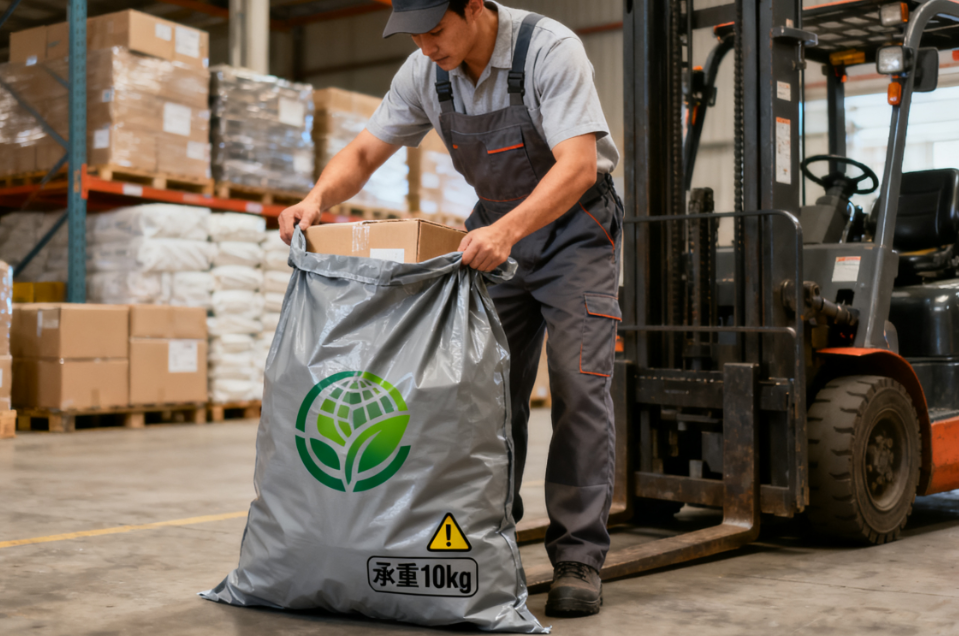
In the field of express packaging, we innovatively developed high-toughness logistics bags. Through special fiber reinforcement technology, its load-bearing capacity reaches 10 kg, which fully meets the logistics needs of e-commerce. The director of logistics said: “These bags not only meet our requirements for packaging strength, but also achieve the environmental protection goal, which is a win-win choice.”
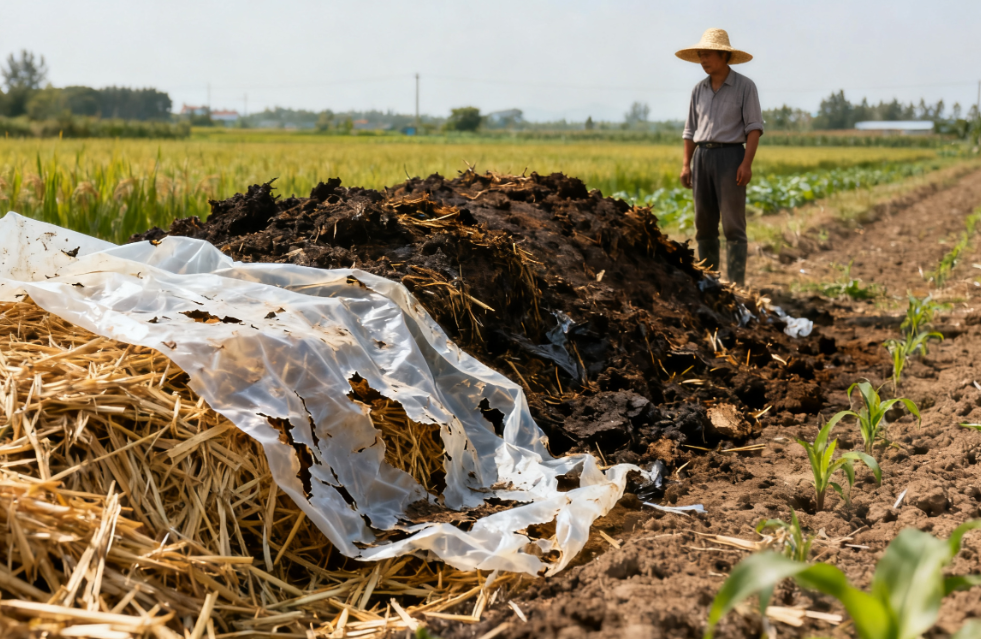
In the agricultural field, we have developed a completely degradable packaging film for agricultural products. These packaging films can be directly composted with agricultural product residues after use, which greatly simplifies the treatment process. “This is a great benefit for us,” the person in charge said. “It not only saves the treatment cost, but also improves the soil quality.”
Future prospect: continuous optimization in innovation
On the basis of existing technological achievements, we will adhere to the steady and pragmatic development concept and strive to promote the optimization and upgrading of the following aspects:
First of all, in terms of raw material selection and process optimization, we are committed to further improving the performance of the existing PLA+PBAT material system. By optimizing the polymerization process parameters, we hope to improve the tensile strength of the material by 15-20% and extend the shelf life while maintaining the biodegradability of the material. “R&D personnel said
Secondly, in the production process, we are intelligently transforming the existing production line. By introducing advanced on-line monitoring system and automatic feedback mechanism, we will achieve more accurate process control, improve product thickness uniformity to over 98%, and reduce production energy consumption. “This is not to overthrow and start over, but to make the existing production line play a greater role.” The production director said.
In terms of application experience, we are making humanized improvement on the basis of existing products. Through the continuous optimization of the opening design, feel comfort and other details of the bag, the use experience of environmentally friendly products is even better. “We believe that good environmental protection products should not only be environmentally friendly, but also be easy to use.” The product manager explained the improvement concept like this.
Finally, in the construction of recycling system, we will continue to improve the existing recycling network, and enhance consumer participation through more reasonable distribution and more convenient recycling methods. “It is our unremitting pursuit to make environmental protection behavior simpler and more efficient.” The project leader concluded.
We firmly believe that continuous optimization and improvement on the existing solid foundation is a reliable way to achieve sustainable development. Every step of improvement is towards a greener and more environmentally friendly future.