Biodegradable pet bags are primarily made from plant-based materials, with corn starch comprising the largest proportion (approximately 40%-60%), providing the bag’s basic structure and degradation performance. Secondly, polylactic acid (PLA) (derived from corn, cassava, etc.) provides strength and flexibility. Additionally, products containing PBAT biodegradable polyester exhibit strong flexibility and load-bearing capacity during use.
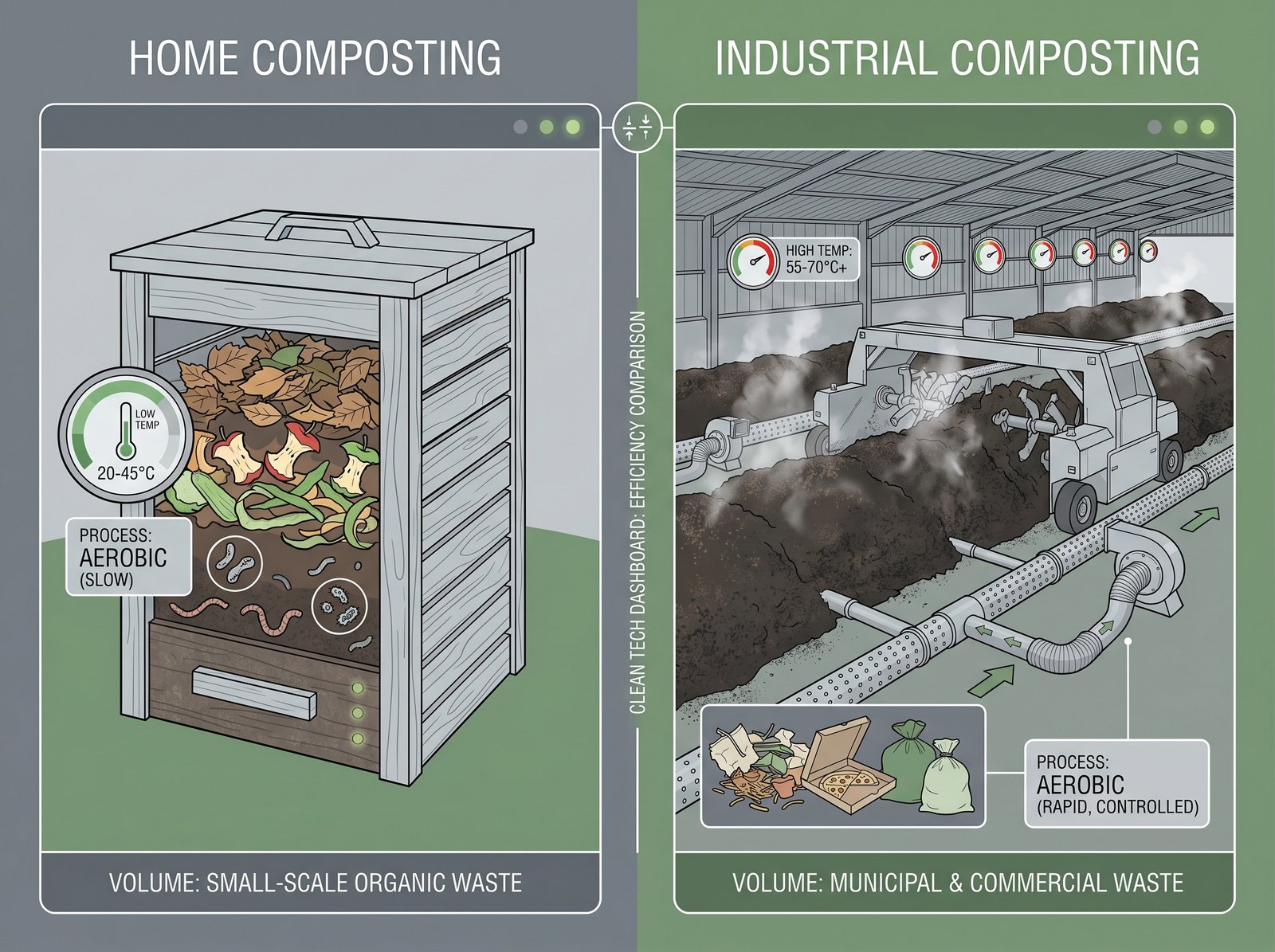
These biodegradable components can completely decompose into water, carbon dioxide, and biomass within 180 days under industrial composting conditions, leaving no microplastic fragments, thus achieving a complete cycle from use to return to nature.
I. Plant-Based Materials: A Gift from Nature
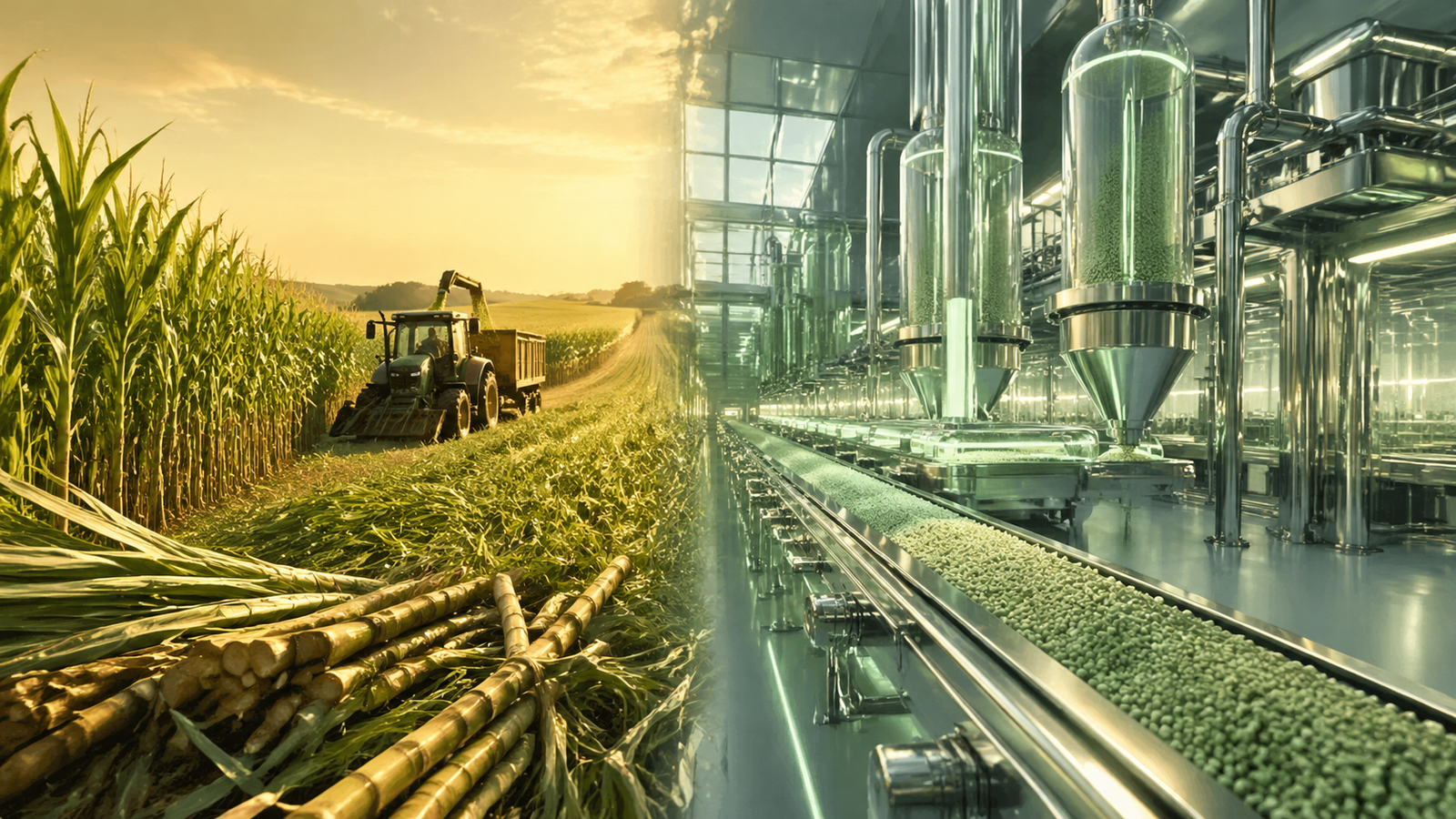
Plant-based materials are mainly derived from natural materials composed of plant resources (such as corn, sugarcane, cassava, straw, etc.). These materials, processed using modern biotechnology, can replace traditional petroleum-based plastics, forming renewable and biodegradable properties. In environmentally friendly products, plant-based materials can effectively reduce carbon emissions and fossil fuel consumption; they can be decomposed by microorganisms under specific natural environments, ultimately transforming into water, carbon dioxide, and organic matter, achieving a cycle system from nature back to nature.
1. Corn Starch: A Key Material for Bio-based Products
Corn starch is a primary material for biodegradable bags, playing a significant role in the product’s development. This includes being a sustainable resource that can be renewable annually; being converted into water and carbon dioxide through microbial action, thus contributing to environmental protection; providing necessary tensile strength and load-bearing capacity; and ensuring the bag maintains its shape during use.
2. Tapioca Starch: A Preferred Material for Performance Optimization
Tasmo starch, primarily derived from cassava roots, further enhances product performance compared to corn starch. This includes: increasing the material’s flexibility and extensibility; improving the feel and ease of use; and accelerating the biodegradation process.
II. Biopolymers: A Fusion of Technology and Nature
In biodegradation, to achieve a better balance between environmental friendliness and practicality, various bio-based polymers have been developed for biodegradability. The three main types used in making biodegradable bags are PLA (polylactic acid), PBAT (polybutylene adipate/terephthalate), and PHA (polyhydroxyalkanoates).
1. PLA (Polylactic Acid)
PLA (Polylactic Acid) is a novel biodegradable material extracted from plants such as corn and sugarcane, and produced through fermentation, polymerization, and other processes. It is widely recognized as an environmentally friendly alternative to traditional plastics. Its core characteristics are mainly the following three aspects:
(1) Provides good transparency and gloss
(2) Enhances the mechanical strength of products
(3) Completely decomposes without residue under composting conditions
2. PBAT (Polybutylene Adipate Terephthalate)
PBAT (Polybutylene Adipate Terephthalate) is a biodegradable synthetic polyester, mainly made from petrochemical raw materials, and possesses completely biodegradable characteristics. Under composting conditions, PBAT can be completely decomposed by microorganisms into water, carbon dioxide, and biomass, leaving no residue. Its core characteristics mainly include the following aspects:
(1) Demonstrating excellent product flexibility
(2) Ensuring the product will not break during use
(3) Usually working synergistically with PLA components to achieve better degradation effects
3. PHA (Polyhydroxyalkanoate)
PHA (Polyhydroxyalkanoate) is a type of natural polyester synthesized by microorganisms, produced through bacterial fermentation of sugars or oils. The biggest feature of PHA is its excellent biocompatibility and all-environmental degradability. It can decompose rapidly not only in industrial composting but also naturally degrade into carbon dioxide and water in soil, freshwater, and marine environments without specific conditions.
4. Natural Additives: Enhancing Functionality
To improve the user experience, various natural auxiliary ingredients are added to the product, mainly plant oils and mineral materials. Plant oils mainly lubricate and facilitate use, and can enhance the sealing performance of the bag; while mineral materials are mainly used to regulate the degradation rate and enhance product stability. With the help of these auxiliary materials, the degradation function of the biodegradable bag is further improved.
III. Bag Manufacturing Ingredient Ratio and Component Verification
The production of a high-quality biodegradable pet bag requires precise control of these ingredient ratios to ensure that incorrect proportions do not lead to the formation of harmful substances. A basic formula example is as follows:
1. Plant starch: 45-65%
2. Biopolymer: 25-35%
3. Natural additives: 5-10%
4. Mineral fillers: 3-8%
This scientific ratio ensures the product has sufficient load-bearing capacity, maintains excellent flexibility, achieves a controllable degradation rate, and the decomposition products are harmless to the environment.
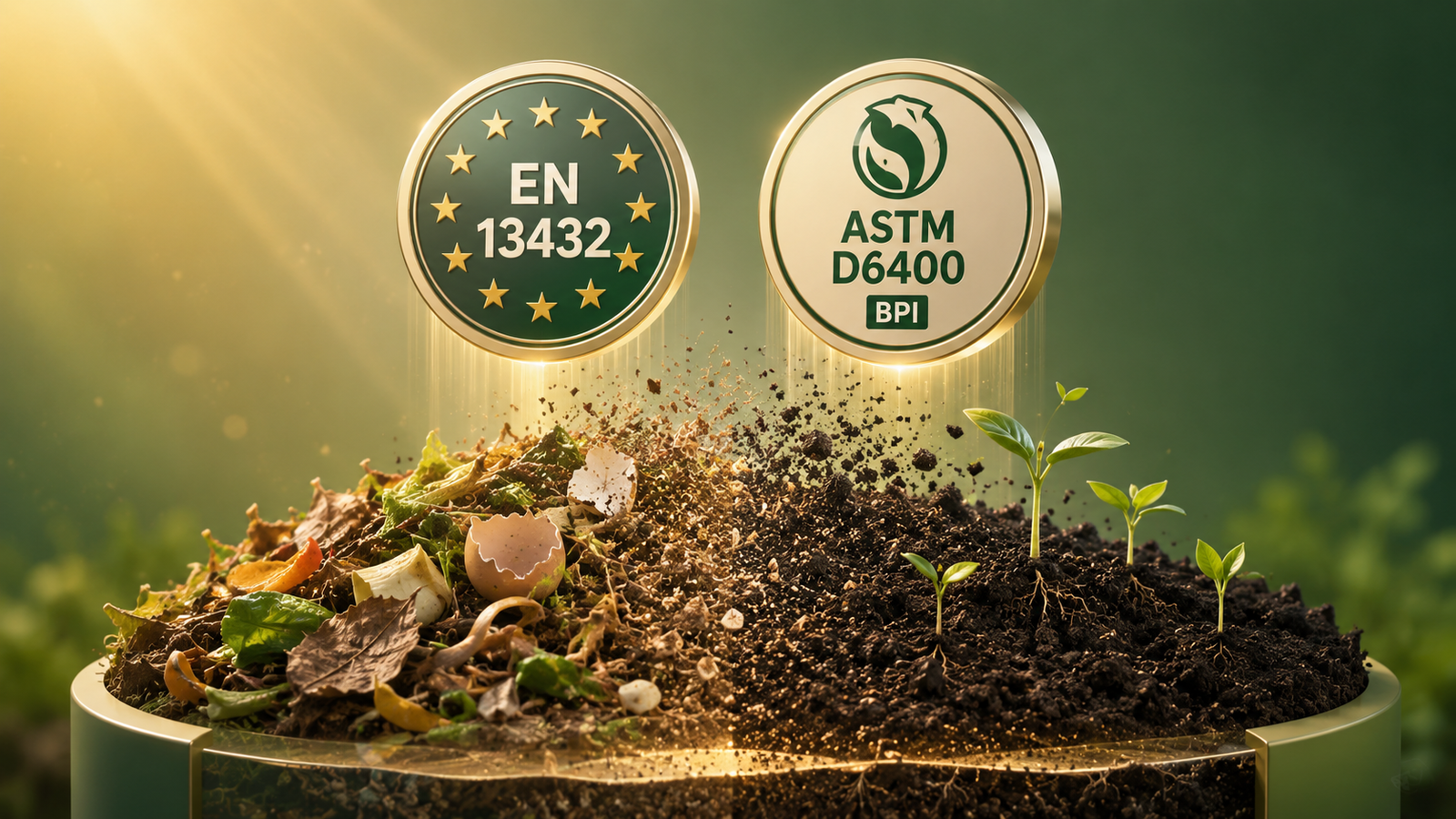
Safety verification of biodegradable components involves rigorous testing of all raw materials to ensure that the product, after decomposition, does not contain toxic chemicals, heavy metal residues, does not produce microplastic pollution, and meets food contact material standards.
IV. The Complete Cycle from Raw Materials to Degradation
Under industrial composting conditions:
• Begins to crumble in 45 days
• Significant decomposition in 90 days
• Complete conversion to water and carbon dioxide in 180 days
Conclusion: Upholding Our Commitment
We at Esinle are committed to using sustainably certified raw materials, conducting regular testing to ensure ingredient safety, transparently disclosing product information, and continuously optimizing formulas to improve performance.
Understanding the natural ingredients in biodegradable pet bags not only helps us make more informed purchasing decisions but also reflects a deep commitment to environmental protection. Every choice is an expression of love for our shared home. Choosing natural ingredients is choosing to live in harmony with nature. Let’s start with a small pet bag and work together to protect this beautiful planet.