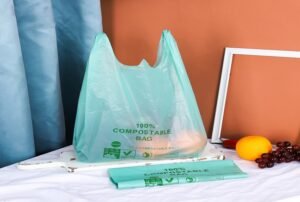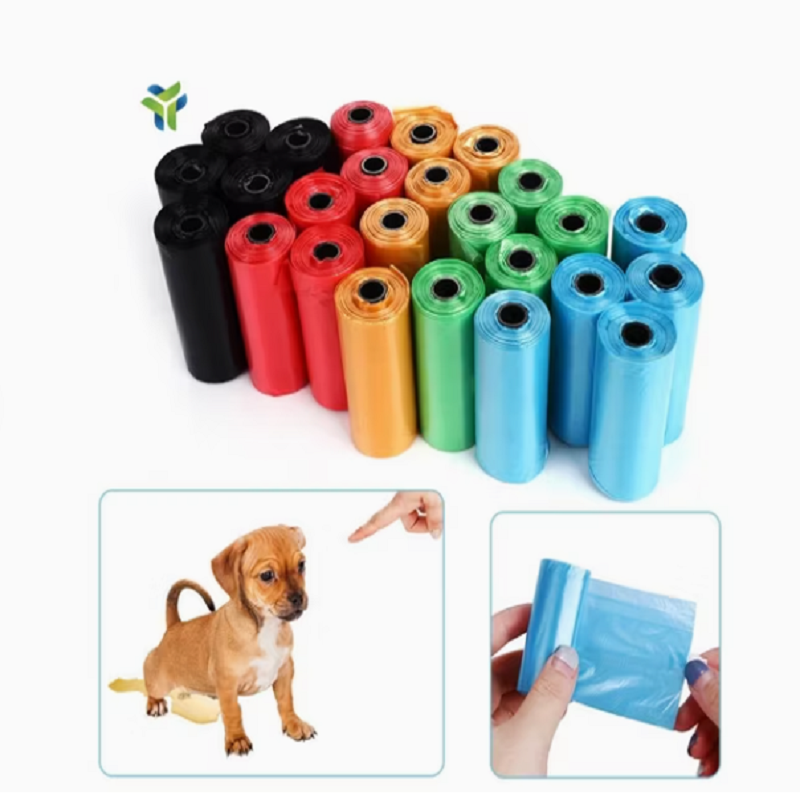
In today’s environmentally conscious world, eco-conscious pet owners are increasingly asking: Do PLA and PBAT biodegradable pet waste bags actually deliver on their environmental promises?
Understanding PLA and PBAT Materials
PLA (Polylactic Acid):
Derived from renewable resources like corn starch and sugarcane
Features excellent rigidity and transparency
Requires industrial composting facilities for proper decomposition
Certified compostable under ASTM D6400 standards
PBAT (Polybutylene Adipate Terephthalate):
Petroleum-based but biodegradable material
Offers superior flexibility and tear resistance
Breaks down in home composting systems
Marine-degradable formulations available
Environmental Impact Assessment
Carbon Footprint Reduction:
PLA production reduces greenhouse gas emissions by 60-70% compared to conventional plastics
Renewable resource utilization decreases dependence on fossil fuels
Biodegradable decomposition process prevents microplastic pollution
Certification Standards:
ASTM D6400 certification for industrial compostability
EN 13432 European standard for biodegradability
BPI certification ensuring product authenticity
OK Compost HOME certification for home composting
Performance Comparison
PLA Advantages:
High stiffness and load-bearing capacity
Excellent moisture resistance
Crystal clear transparency
Food-grade material safety
PBAT Benefits:
Outstanding flexibility even in cold weather
Enhanced durability against punctures
Faster decomposition rate
Better home compost compatibility
Proper Usage and Disposal
Optimal Disposal Methods:
Industrial composting facilities for PLA-based bags
Home composting systems for PBAT products
Municipal organic waste programs where available
Landfill disposal as last resort
Storage Recommendations:
Keep in cool, dry conditions away from sunlight
Maintain proper ventilation to prevent premature degradation
Use within 12 months of purchase for optimal performance
Environmental Certifications to Trust
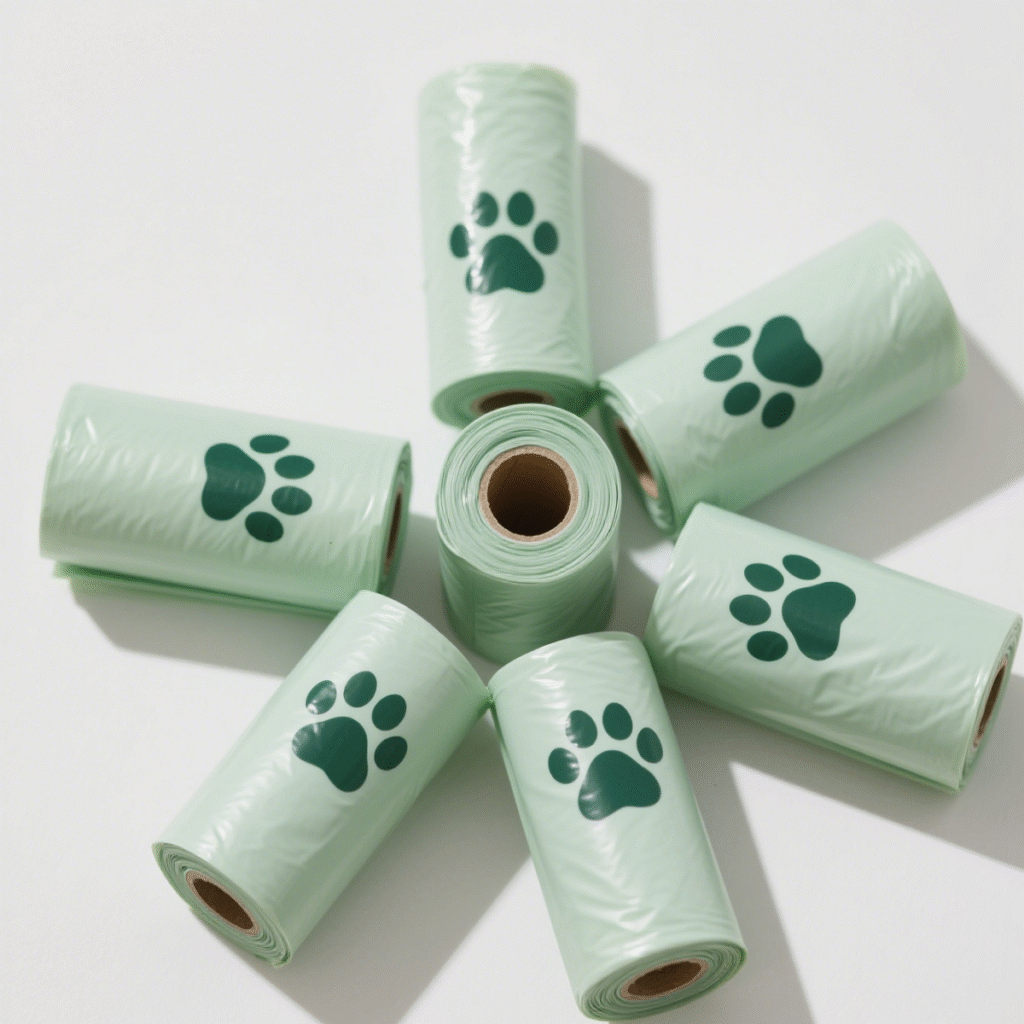
Third-Party Verification:
Biodegradable Products Institute (BPI) certification
TUV Austria OK Compost standards
USDA BioPreferred program recognition
EU Ecolabel certification
Addressing Common Concerns
Decomposition Timeline:
PLA: 90-180 days in industrial composting facilities
PBAT: 60-120 days in home composting conditions
Landfill decomposition: 1-5 years depending on conditions
Cost Effectiveness:
Price premium of 20-30% over conventional plastics
Long-term environmental savings in waste management
Increasing affordability due to technological advances
Future Developments
Innovation Trends:
PLA-PBAT blends for optimized performance
Enhanced marine biodegradability
Carbon-negative production processes
Smart packaging solutions with decomposition indicators
Making the Right Choice
Selection Criteria:
Verify authentic certifications and testing reports
Consider local waste management infrastructure
Evaluate performance needs and climate conditions
Support transparent and ethical manufacturers
Conclusion: The Verdict on PLA and PBAT Bags
When properly certified and disposed, PLA and PBAT biodegradable pet waste bags offer significant environmental advantages over conventional plastics. While challenges remain in waste management infrastructure and consumer education, these materials represent a genuine step toward sustainable pet ownership.