I. Industrial Composting: An Organic Cycle Back to Nature
1. Technical Principles
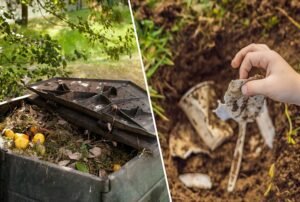
In professional industrial composting facilities, by controlling temperature (55–65°C), humidity (50–60%), oxygen supply, and microbial activity, PBAT and PLA can be completely decomposed into water, carbon dioxide, and humus within a specified time (usually within 180 days), leaving no microplastics or toxic substances.
2. Decomposition Process
The industrial composting process includes classified collection, crushing pretreatment, high-temperature fermentation, and maturation treatment, ultimately producing safe and stable compost products for soil improvement and agricultural planting, achieving a closed loop from waste to fertile land.
II. Chemical Recycling: Depolymerization and Regeneration for High-Value Utilization
Chemical recycling efficiently converts PBAT and PLA into high-purity basic monomers through hydrolysis and alcoholysis reactions. PLA is hydrolyzed or alcoholyzed to produce lactic acid, with a recovery rate exceeding 90%; PBAT is regenerated into raw materials such as terephthalic acid and adipic acid through technologies such as glycolysis.
This technology not only achieves a closed-loop material recycling system, reducing reliance on fossil resources, but can also be used to produce recycled plastics or other high-value chemicals, making it a key pathway for promoting the high-end recycling of biodegradable materials. The following details the chemical recycling and characteristics of PLA and PBAT:
1. PLA Chemical Recycling
PLA chemical recycling utilizes catalytic processes such as hydrolysis and alcoholysis. PLA can be efficiently depolymerized to recover lactic acid monomers. Under mild catalytic conditions, it is hydrolyzed to produce high-purity lactic acid; the lactic acid can then be repolymerized back into PLA, achieving a closed-loop cycle. The monomer recovery rate can reach over 90%, significantly reducing energy consumption in new material production.
2. PBAT Chemical Recycling
PBAT chemical recycling employs technologies such as glycolysis and ammonolysis. PBAT can be decomposed into basic chemicals such as terephthalic acid and adipic acid, which are then purified and reused in the production of PBAT or other polyester materials, reducing reliance on fossil raw materials and improving resource recycling efficiency.
3. Advantages and Features
(1) Produces high-purity raw materials, suitable for high-value reprocessing
(2) Avoids degradation of physical properties, overcoming the limitations of physical recycling
(3) Suitable for clean, single-component waste materials
III. Physical Recycling: Melting and Recycling & Downgrading
Physical recycling is an important pathway for the resource utilization of PBAT/PLA through melting and recycling. This technology crushes, melts, filters, and regranulates clean, sorted biodegradable materials, converting them into recycled granules. The recycled materials can be downgraded for use in non-food contact packaging, daily necessities, and composite materials, achieving material downgrading and recycling.
This method requires strict control of sorting purity and processing temperature to avoid traditional plastic mixing and thermal degradation of materials, effectively extending the service life of environmentally friendly materials in a closed-loop system.
IV. Biological Treatment: Cutting-Edge Technology of Enzymatic Hydrolysis and Microbial Transformation
Utilizing specific enzyme preparations (such as lipase and protease) to efficiently catalyze the hydrolysis of PBAT/PLA under mild conditions, achieving energy-saving degradation. Simultaneously, through targeted domestication or engineered microorganisms, degradation products can be transformed into high-value-added chemicals such as PHA bioplastics and lactic acid, achieving bio-upcycling of waste. 
This technology is currently mostly in the research and pilot-scale stages; although costly, it opens up innovative pathways for the resource recycling of biodegradable materials.
1. Enzyme-catalyzed degradation
Specific enzyme preparations (such as lipases and proteases) can efficiently catalyze the hydrolysis of PBAT/PLA under mild conditions and with relatively low energy consumption, further fermenting degradation products into bio-based chemicals.
2. Microbial transformation
Using domesticated or engineered microorganisms, degradation intermediates can be converted into bioplastics such as PHA, producing high-value-added products such as lactic acid and succinic acid, thus achieving bio-upcycling of waste.
V. Consumer Participation Guidelines
Consumers are a key link in promoting the closed loop of PBAT and PLA recycling. Look for compostable certification marks on products (such as Seedling®), and after use, dispose of clean waste in “organic waste” bins or dedicated recycling bins, avoiding mixing with traditional plastics. Prioritize purchasing products with easily recyclable designs, actively participate in community waste sorting initiatives, and jointly promote the improvement of the recycling system. Every correct disposal you make contributes to the circular economy.
1. Correct Disposal
(1) Recognize biodegradable labels (such as the Seedling® label)
(2) After simple cleaning, dispose of in the “Organic Waste” or “Compostable Waste” bins
(3) Avoid mixing with ordinary plastics to prevent contamination of the recycling stream.
2. Promote System Improvement
(1) Prioritize purchasing products with easily recyclable designs
(2) Participate in community waste sorting initiatives
(3) Support local governments in improving recycling facilities.
VI. Conclusion: Let Every Environmentally Friendly Material Fulfill its Circular Mission
Every recycling is a rebirth of resources; every choice is a commitment to the Earth. The biodegradable properties of PBAT and PLA are not the end, but the beginning of the cycle—through scientific recycling, they can be transformed into compost to nourish the soil or regenerated into new materials to continue their value. 
Let us act together to promote the true realization of a closed loop of “from nature to nature” for environmentally friendly materials, making green choices a sustainable future. At Esinle, we continuously invest in:
✅ Research and development of easily recyclable materials and product designs
✅ Building a tracking and management system covering the entire product lifecycle
✅ Collaborating with supply chain partners to build a recycling and processing network
✅ Actively promoting the development of industry standards and technical specifications. Choosing biodegradable materials goes beyond just degradation; true recycling is the key to a circular economy. Let’s work together to ensure the true closed-loop recycling of green materials.