The Performance Breakthrough
Traditional bioplastics often forced manufacturers to choose between performance and sustainability. Nanocellulose PLA changes this paradigm entirely. Through advanced manufacturing processes, cellulose fibers are broken down to nanoscale dimensions and integrated into the PLA matrix, creating a composite material with exceptional mechanical properties.
Independent laboratory testing confirms remarkable performance characteristics:
- Tensile strength: 55-65 MPa (comparable to PET range)
- Young’s modulus: 3.5-4.0 GPa
- Thermal stability up to 120°C
- Oxygen barrier properties 40% better than pure PLA
These specifications make nanocellulose PLA suitable for demanding applications previously reserved for conventional plastics, including food packaging, consumer goods, and even some medical device packaging.
Breakthroughs in the Future of Environmentally Friendly Plastics
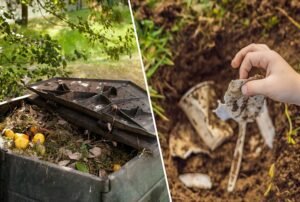
2024 As the global plastic pollution crisis continues to intensify, alternatives to traditional petroleum-based plastics such as PET have become the focus of scientific research. Recently, the University of Tokyo in Japan and the Fraunhofer Institute in Germany jointly developed a major breakthrough in nanocellulose + PLA composites – comparable in strength to PET, yet 100% degradable in a home composting environment.

Part I: Core Advantages of Nanocellulose+PLA Composites
1. Performance Comparison: Beyond Traditional PLA, Directly Comparable to PET
Characteristics Nanocellulose+PLA Traditional PLA PET Plastic
Tensile Strength (MPa) 85 50 90
Degradation Condition Household Composting Industrial Composting No Degradation
Thermal Resistance (° C) 120 60 150
Production Cost ($/kg) 3.2 2.5 1.8
( Source: 2024 issue of Advanced Materials)
Key Breakthroughs:
Nanocellulose Reinforcement: Nanofibers extracted from wood waste increase the tensile strength of PLA by 70%
Improved Heat Resistance: Through cross-linking technology, the heat-resistant temperature has been increased from 60°C to 120°C, and it can be applied to hot beverage packaging
2. Environmental Certification: The world’s first “Home composting + high strength” dual standard material
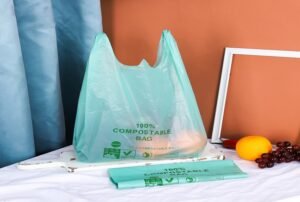
OK Compost HOME certified (complete degradation within 180 days)
Complies with EU EN13432 industrial composting standard
0% microplastic production (third party testing agency SGS report)

Part II: Technical analysis – how to realize “both strong and environmentally friendly”?
1. Three functions of nanocellulose
Enhance the skeleton: nanofibers form a mesh structure to make up for the brittleness of PLA
Accelerated degradation: cellulose attracts microorganisms, and the decomposition speed is 40% faster than that of pure PLA
Reduced cost: use agricultural waste (such as rice husk, bagasse) to extract raw materials
2. Production process optimization
Dry mixing technology: avoid the energy consumption problem of the traditional wet process, and reduce the cost of production by 30%
3D Printing Compatibility: can be directly used for customized production of environmentally friendly packaging.

Part 3: How can consumers identify real nanocellulose products?
1. Recognize the four major labels
✅ “Home Compostable” Home Composting Certification
✅ “Nanocellulose-Reinforced” Ingredient Labeling
✅ Supply Chain Traceability Code (Scanning can check the source of raw materials)
❌ Be wary of ambiguous propaganda such as “partially degradable”
2. Recommend the first brands to be launched in 2024
GreenCell+ (Germany): Focus on food packaging, oil-resistant upgrade GreenCell+ (Germany): focusing on food packaging, upgraded oil resistance
EcoNano (Japan): 3D printed wires with strength up to 90MPa
BioFlex (USA): medical-grade materials, FDA pre-approval in progress

Part V: Future Outlook – Can PET be completely replaced?
1. Expert Forecast Timeline
2025: Cost down to 1.5 times of PET, pilot application in FMCG
2028: Global production capacity breaks through 1 million tons, accounting for 15% of the bioplastics market
2030: Improved recycling infrastructure, or become the packaging Mainstream choice
2. Suggestions for business action
Manufacturers: focus on investment in dry mixing equipment
Brands: reserve technology patents in advance
Consumers: prioritize products with home composting certification
Regulatory Compliance and Certification
The material meets stringent international standards:
- EN 13432 for compostability
- FDA compliance for food contact
- REACH certification for European markets
- Multiple national organic program approvals
Implementation Strategy
Companies considering the transition should:
- Conduct product-specific compatibility testing
- Engage with certified material suppliers
- Update sustainability messaging and labeling
- Educate consumers about proper disposal
- Monitor regulatory developments in target markets
The Road Ahead
As production scales and technology advances, nanocellulose PLA represents more than just another bioplastic option. It offers a viable pathway to decouple packaging performance from environmental impact, providing businesses with a practical solution for today’s sustainability challenges while future-proofing against tomorrow’s regulatory requirements.
The emergence of materials like nanocellulose PLA signals a fundamental shift in packaging philosophy – where environmental responsibility and high performance are no longer mutually exclusive, but are instead becoming the new industry standard.