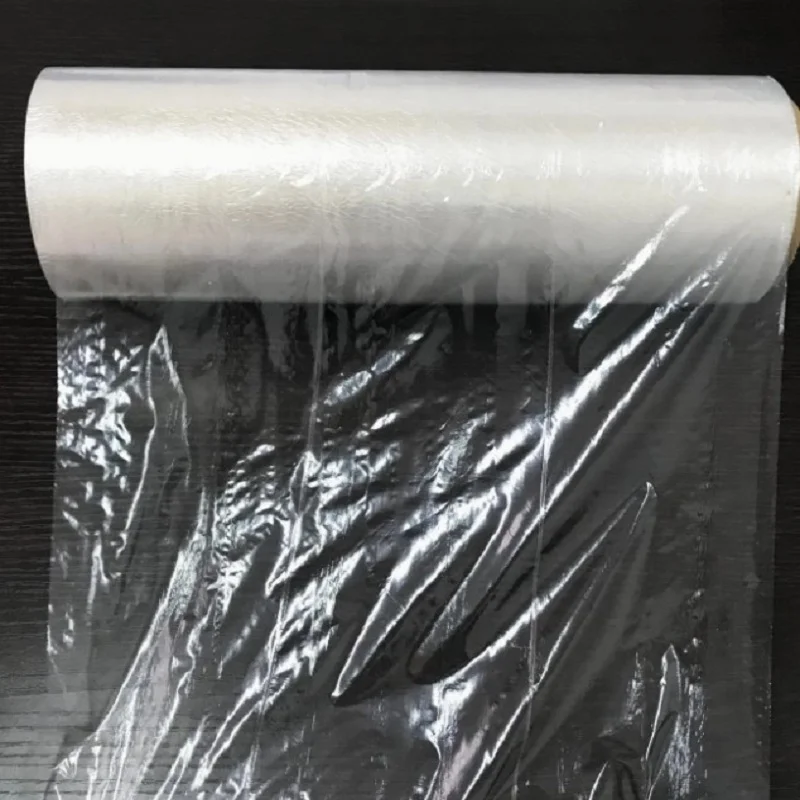
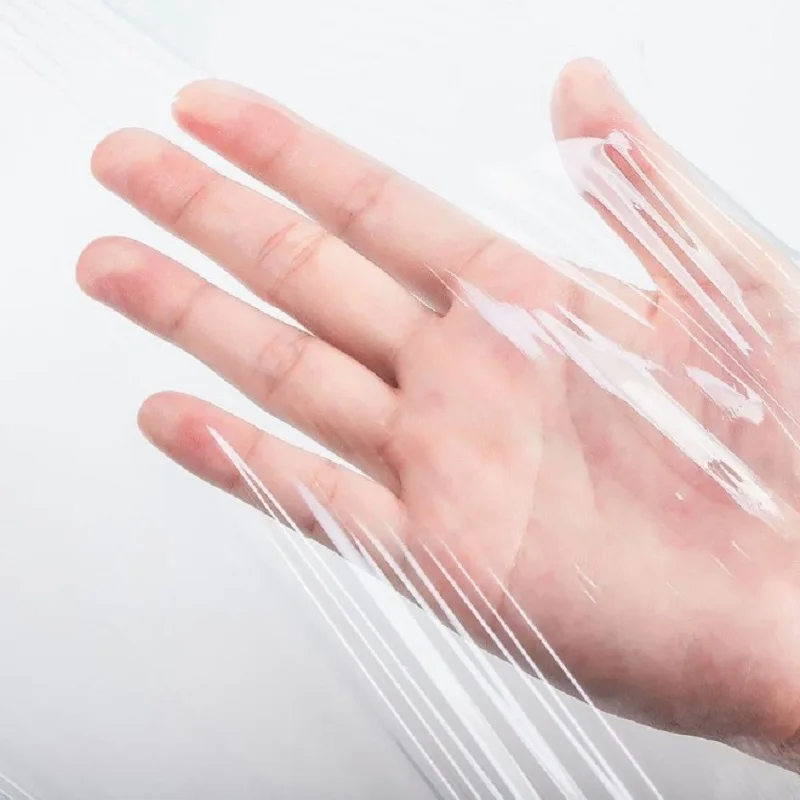
Description
Advantage:
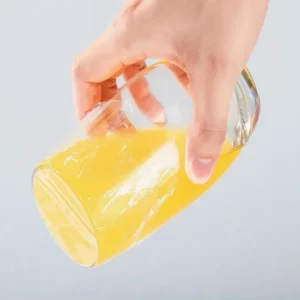
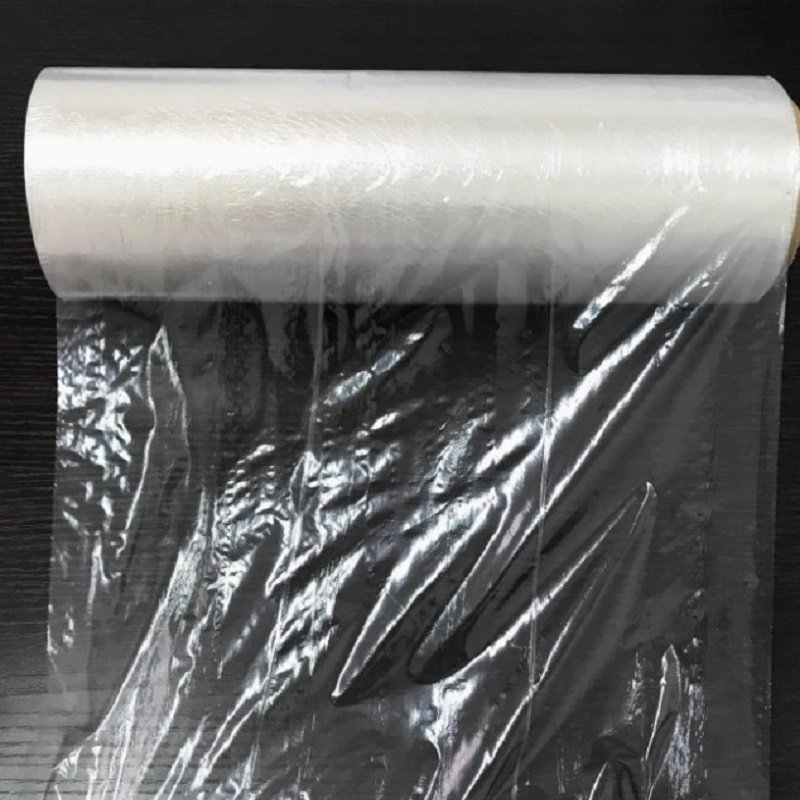
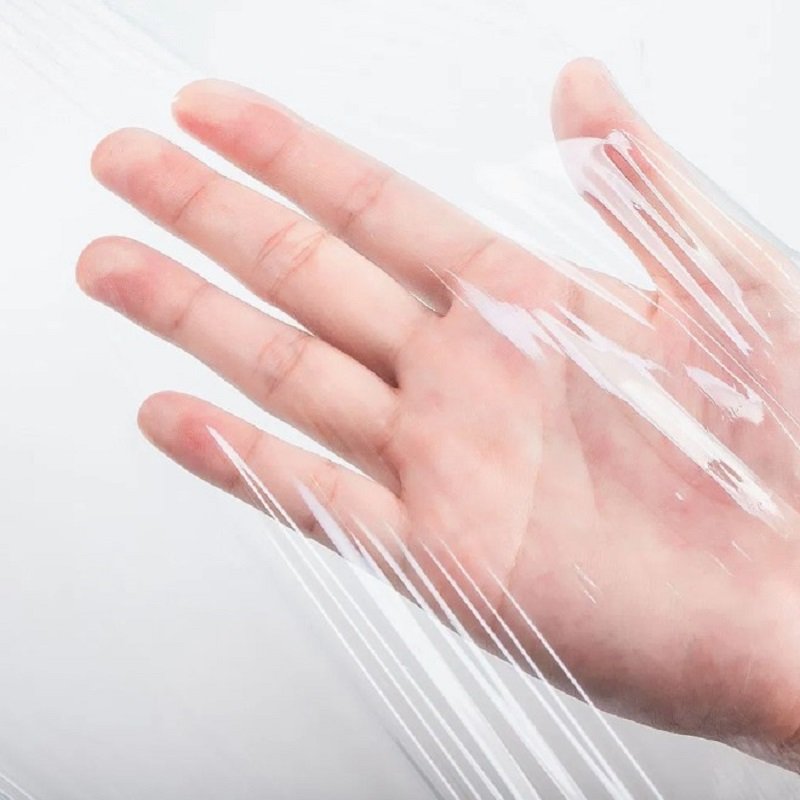
1. High transparency, good gloss, can clearly display the appearance of the product, improve visual awareness,
and reflect high-end.
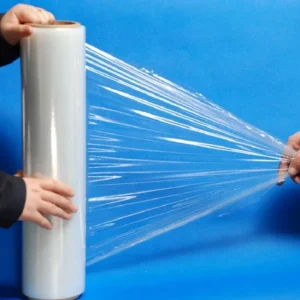
2. The shrinkage rate is large, up to 75%, and it has good flexibility. It can be used to package any shape of goods.
Moreover, the shrinkage force of the three-layer co extruded film processed by special technology is controllable,
meeting the requirements of different product packaging for shrinkage force.
3. Good welding sealing performance and high strength, suitable for manual, semi-automatic, and high-speed, fully automatic packaging.
4. Good cold resistance, able to maintain flexibility at -50 ºC without brittle cracking, suitable for storage and
transportation of packaged materials in cold environments.
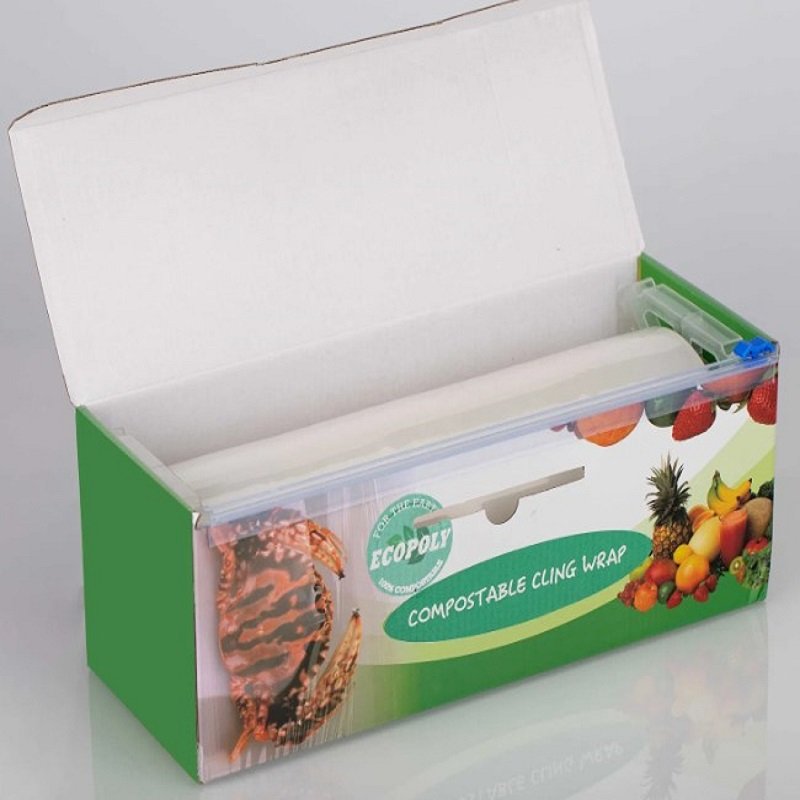
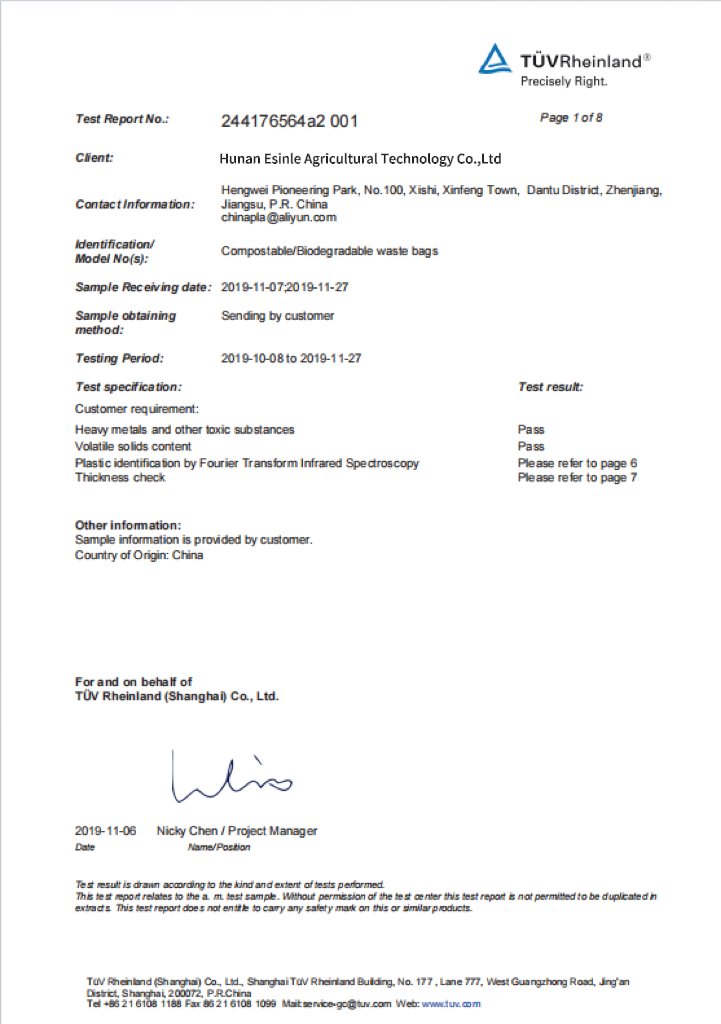
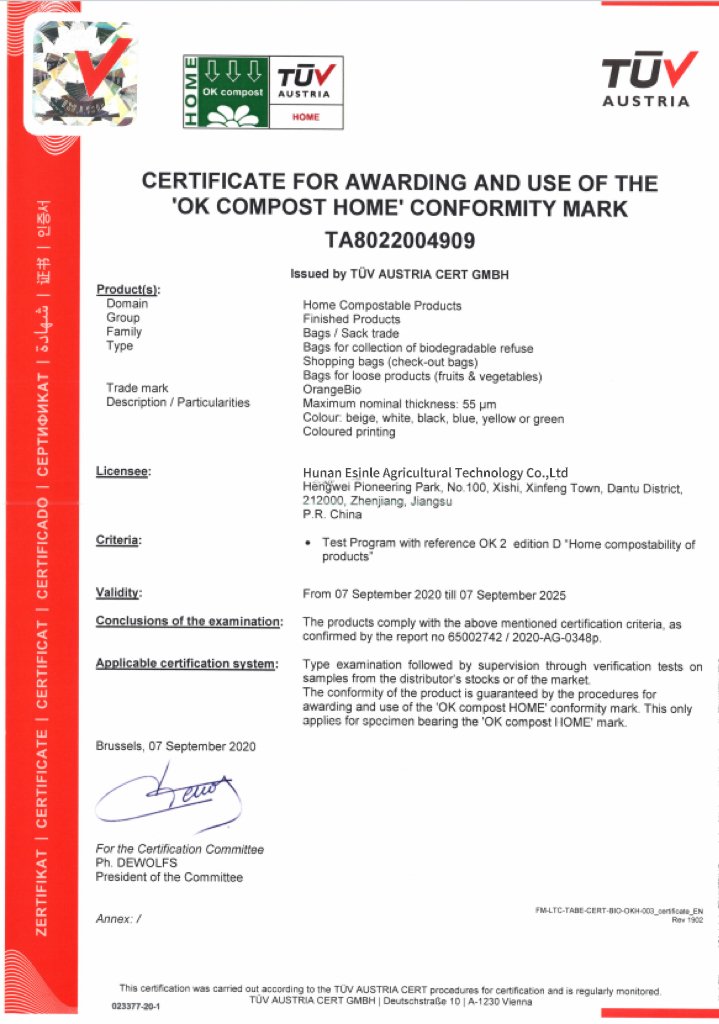
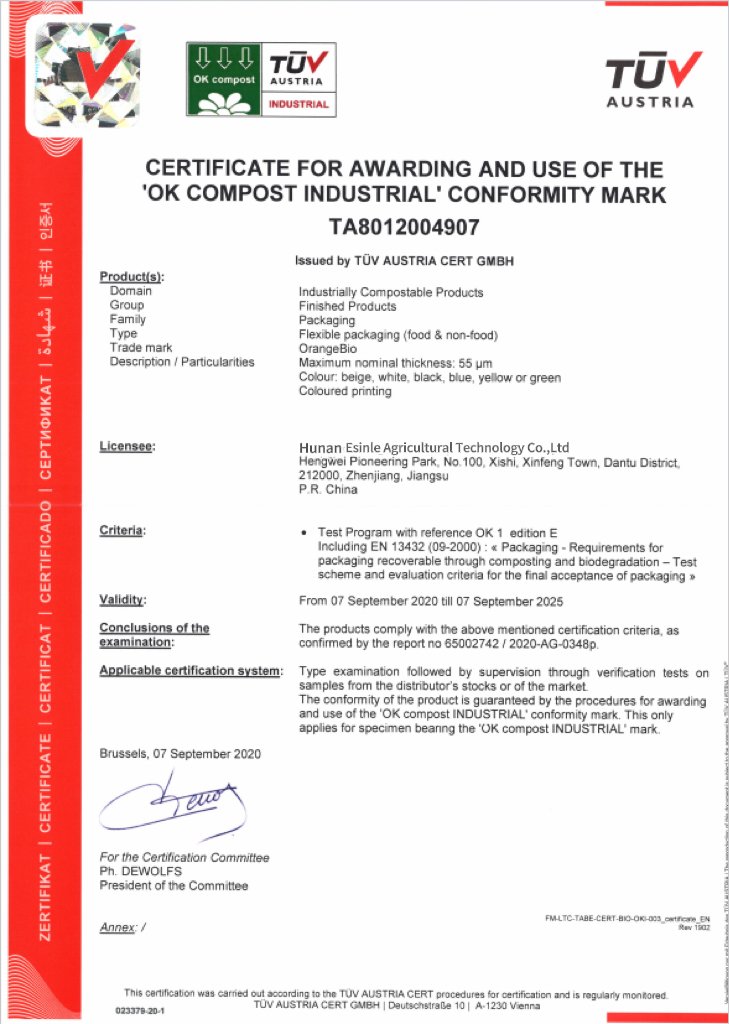
5. Environmentally friendly and non-toxic, compliant with BPI, EN13432, OK Compost, can be packaged as food.
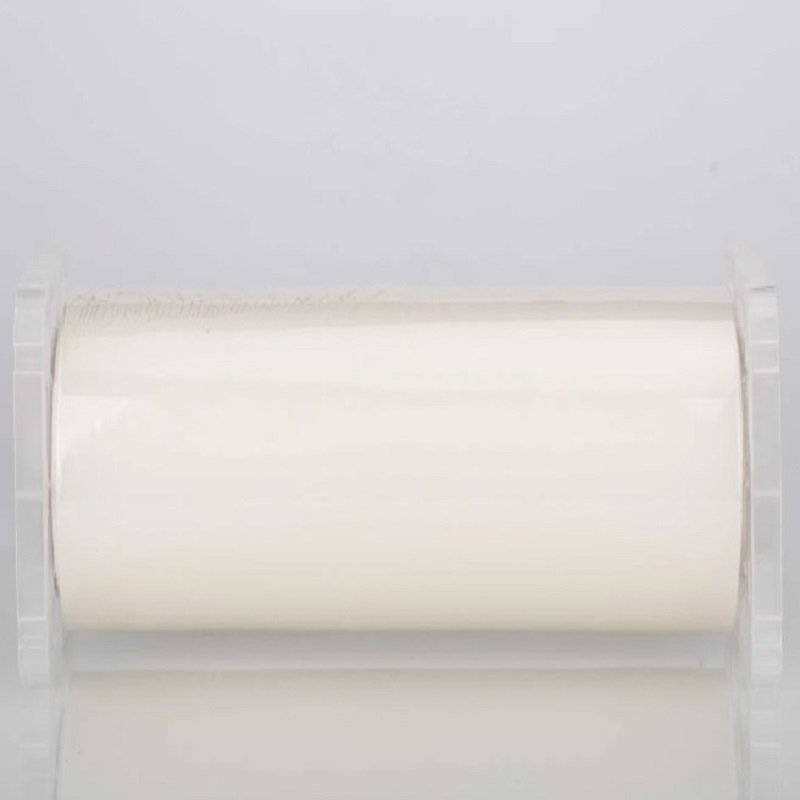
Certification
FAQ
1Q: What is biodegradable cling film made of?
1A: Eco Green Living Biodegradable Wrapping is made from Corn Starch and certified compostable to EN13432 & ASTM D6400 standard. It contains absolutely no micro plastics.
2Q: What is an environmentally friendly alternative to cling film?
2A: Practically speaking, tin foil can replace clingfilm in many scenarios, from wrapping your sarnies to preserving your refrigerated leftovers. However, if you’re looking to do these things without having a negative impact on the planet, you should an eco-friendly alternative, like beeswax or reusable containers.
3Q: Is compostable cling wrap really compostable?
3A: Compostable cling wrap typically decomposes within 180 days under ideal composting conditions, but actual breakdown times may vary depending on environmental factors.
4Q: Is biodegradable plastic actually plastic?
4A: Biodegradable plastics are still plastics – they are intended for short-lived use and often stay in the environment for a very long time before they actually degrade.
5Q: Is there a biodegradable cling film?
5A: Eco-Friendly Biodegradable Cling Film Food Wrap – EN13432 Certified Compostable PLA Stretch Wrap for Catering and Home Use, Food Safe Biodegradable Food Wrap.
6Q: What are the benefits of biodegradable films?
6A: The benefits of biodegradable film
A reduction in carbon emissions: As the materials used to produce biodegradable film are plant-based, they release far less carbon emissions into the air than plastic.
Non-toxic: Biodegradable film does not contain harmful by-products or chemicals.
7Q: What are the positive effects of biodegradable plastics?
7A: The Benefits of Bioplastics
Even more, biobased plastics reduce dependence on fossil resources whilst improving a product’s carbon footprint. Biodegradable plastics allow enhanced end-of-life scenarios for disposal and recycling. This may lessen the burden on our existing waste systems and also the environment.