I. Core Characteristics of Recyclable Plastic Bags
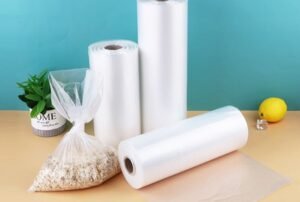
Recyclable plastic bags must meet specific material and manufacturing process characteristics. First, the material markings need to be identified. Recyclable plastic bags are primarily made of PE (polyethylene) or PP (polypropylene), these two materials having the most stable recycling value. Second, their physical properties need to be observed and understood, including their softness, toughness, and resistance to tearing when stretched.
Confirming their recyclability is crucial. Look for the recycling triangle symbol on the plastic itself, or a printed “PE”/”PP” material code. It’s also important to note that even if the above characteristics are met, severe soiling or being combined with other materials will still affect recyclability. Recyclable plastic bags typically need the following characteristics:
1. Material markings are PE (polyethylene) or PP (polypropylene)
2. Soft texture with a certain degree of toughness
3. The surface is printed with a recycling triangle symbol or material code.
II. Specific Scope of Non-Recyclable Plastic Bags
Generally, non-recyclable plastic bags are mainly divided into the following categories:
1. Contaminated plastic bags. Such as packaging bags stained with oil, food residue, or chemical reagents;
2. Composite material plastic bags. Including food packaging bags composited with materials such as aluminum foil and nylon;
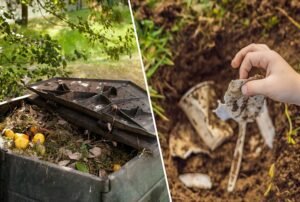
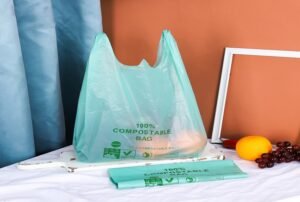
3. Biodegradable plastic bags. Their decomposition characteristics can interfere with traditional plastic recycling processes;
4. Medical waste packaging bags. These pose biosafety risks;
5. Damaged plastic bags with severely compromised strength.
In addition, plastic bags containing metal fittings, tape residue, or thermal paper labels are also ineligible for recycling. Correctly identifying these non-recyclable types is crucial for ensuring the effective operation of the recycling system.
III. Necessary Pre-Recycling Treatment for Plastic Bags
To ensure plastic bags can smoothly enter the recycling process, the following key preparatory work must be completed before recycling:
1. Deep Cleaning: Thoroughly clean the inside of the bag with warm water and environmentally friendly cleaning agents, especially removing oil stains, food residue, and other organic contaminants. For stubborn stains that are difficult to remove, it is recommended to dispose of them directly as other waste to avoid contaminating the entire batch of recycled materials.
2. Fine Sorting and Arrangement: The bags need to be sorted according to material type (PE, PP, etc.), and all non-plastic components, including tape, labels, knots, and other attachments, must be removed. 1. Pack the processed plastic bags into labeled plastic bags and tie them tightly for easy identification and subsequent processing.
3. Professional Dry Storage: Allow the bags to air dry naturally in a ventilated area until completely free of moisture. Avoid sealing them to prevent mold growth. It is recommended to use dedicated recycling bags and label them with the recycling date and category information. Pay special attention to keeping the storage environment dry and clean to prevent secondary contamination.
4.Key Parts of the Recycling Process: Before recycling, it is necessary to understand the plastic bag recycling process to ensure that each step has strict quality control to ensure the quality and safety of recycled materials.
IV. The plastic bag recycling process includes the following key steps
1. Professional Sorting Stage: During recycling, plastic bags need to be sorted multiple times. First, they are mechanically screened according to material (PE, PP, etc.), then unqualified products are removed by manual fine sorting. Then, transparent bags and mixed-color bags are graded by color and processed separately to ensure the quality of recycled products.
2. Crushing and Washing Process: Qualified plastic bags enter a dedicated crusher and are cut into uniform fragments. Materials of different densities are separated in a flotation tank. Then, they are rinsed three times with an environmentally friendly cleaning agent to thoroughly remove residual impurities and ensure the cleanliness of the fragments.
3. Melt-and-Shape Process: Clean plastic scraps are melted and filtered at high temperatures, then reshaped into recycled plastic granules using precision molds. These granules will be used to manufacture new plastic bags, composite wood, or municipal building materials, completing the closed loop from recycling to regeneration. Each step undergoes rigorous quality testing to ensure that the recycled materials meet production standards.
V. Clarifying Common Recycling Misconceptions
1. Many consumers mistakenly believe that all plastics labeled as recyclable can enter the recycling system. In fact, only plastic bags made of specific materials such as PE and PP can be recycled.
2. Many people believe that minor stains do not affect recycling. However, tests show that oil stains and food residue can contaminate the entire batch of recycled material, potentially leading to recycling failure.
3. Biodegradable plastic bags are often mistakenly placed in recycling bins. These materials require industrial composting conditions; mixing them with ordinary plastic recycling systems will actually reduce the quality of the recycled material.
4. Mixing plastic bags of different materials for recycling is also not advisable. Composite materials should be treated as other waste. Correctly understanding these misconceptions is an important prerequisite for improving recycling efficiency.
VI. Conclusion
Correctly recycling plastic bags is not only an individual’s environmental action but also a crucial link in promoting the development of a circular economy. By scientifically classifying and properly handling plastic bags, we can give them a new lease on life and contribute to sustainable development. Let’s start with proper classification, use our expertise to support environmental protection, and work together to build a better home.