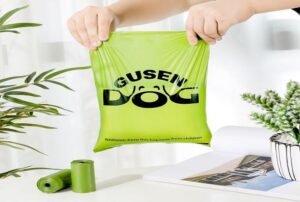
As environmental awareness continues to grow, pet owners worldwide are seeking eco-friendly alternatives to conventional plastic products. Biodegradable pet waste bags have emerged as an essential solution for responsible pet ownership, offering both practicality and environmental sustainability. These innovative products represent a significant advancement in green pet care, effectively addressing waste management challenges while minimizing ecological impact.

The Environmental Challenge of Traditional Plastic Bags
Conventional plastic pet waste bags present substantial environmental concerns. Made from petroleum-based polyethylene, these bags can persist in ecosystems for centuries, contributing to multiple environmental issues:
Long-term landfill persistence exceeding 400 years
Microplastic contamination of soil and waterways
Wildlife endangerment through ingestion and entanglement
Greenhouse gas emissions during production and decomposition
Non-renewable resource consumption
Understanding Biodegradable Technology
Certified compostable pet waste bags utilize advanced plant-based polymer technology to create sustainable waste management solutions. These products typically incorporate:
Cornstarch-based biopolymers (PLA composites)
Vegetable oil-derived compounds
Plant-based resin formulations
Renewable resource materials
The microbial decomposition process enables complete breakdown into natural elements including water, carbon dioxide, and organic biomass, without producing toxic residues or microplastic pollution.
Certification Matters: What to Look For
Understanding certifications is crucial for ensuring genuine biodegradability:
OK Compost HOME
- Certified for home composting systems
- Tests degradation at lower temperatures (20-30°C)
- Ideal for backyard composting
OK Compost INDUSTRIAL
- Requires commercial composting facilities
- Higher temperature degradation (50-60°C)
- Faster breakdown under controlled conditions
ASTM D6400
- US standard for compostable plastics
- Ensures complete biodegradation in composting facilities
Certification and Standards
When selecting biodegradable bags, verification through recognized certifications is crucial:
EN 13432 certification (European compostability norm)
BPI certification (Biodegradable Products Institute verification)
TUV Austria OK Compost HOME (Home composting certification)
These certifications ensure genuine biodegradable decomposition rather than the problematic fragmentation associated with oxo-degradable plastics.
Environmental Impact Comparison
Traditional plastic bags versus biodegradable alternatives:
Conventional Plastic Bags
- 400+ years decomposition timeline
- Petroleum-based production
- Microplastic contamination risk
Biodegradable Options
- 90-180 day decomposition period
- Renewable resource utilization
- Zero microplastic residue
Performance and Practical Considerations
Modern biodegradable dog waste bags offer exceptional functional characteristics:
Enhanced durability and tear resistance
Leak-proof barrier protection
Certified compostable material composition
Renewable resource utilization
Low-carbon manufacturing processes
Marine-degradable formulations
Home-compost compatible materials
Proper Usage and Disposal Guidelines
To maximize environmental benefits, follow these disposal protocols:
Utilize municipal organic waste programs
Verify local composting facility acceptance
Ensure proper separation from conventional waste
For home composting:
Maintain optimal compost bin conditions
Monitor temperature and moisture levels
Follow recommended composting procedures
Environmental Impact Assessment
Adoption of biodegradable waste bags delivers multiple ecological advantages:
Reduction in petroleum-based plastic consumption
Decreased landfill waste accumulation
Minimization of microplastic pollution
Support for circular economy initiatives
Protection of wildlife and marine ecosystems
Promotion of sustainable manufacturing practices
Selection Criteria for Quality Products
When evaluating biodegradable options, consider these factors:
Verification of compostability certifications
Renewable material composition analysis
Performance characteristic assessment
Manufacturing transparency evaluation
Certification compliance for intended disposal methods
Corporate environmental commitment verification

The Future of Sustainable Pet Products
The biodegradable pet product industry continues to evolve with:
Enhanced biodegradation acceleration technologies
Novel plant-based material development
Performance optimization breakthroughs
Carbon-neutral manufacturing processes
Zero-waste production systems
Advanced composting compatibility enhancements
Conclusion: Embracing Sustainable Pet Ownership
Transitioning to certified compostable pet waste bags represents a crucial step toward comprehensive sustainable pet ownership. By selecting authentically biodegradable products with proper certifications, pet owners can effectively manage waste while minimizing environmental impact. This approach supports broader ecological preservation efforts and contributes to the growing movement toward holistic sustainable pet care solutions.
As the market for eco-friendly pet products expands, informed selection of verified compostable solutions ensures both practical performance and genuine environmental benefit. Through these conscious choices, pet owners globally can actively participate in creating a more sustainable future for all planetary inhabitants.