As eco-conscious pet owners increasingly seek sustainable alternatives to plastic, the debate over materials has never been more relevant. Among the most prominent options are two biodegradable polymers: PLA (Polylactic Acid) and PBAT (Polybutylene Adipate Terephthalate). Both promise to break down harmlessly, but which one truly delivers on its environmental claims? And how do you choose the right one for your pet’s waste bags?
This article dives deep into the science, benefits, and limitations of PLA and PBAT to help you make an informed, planet-friendly choice.
Understanding the Materials: What Are PLA and PBAT?
PLA (Polylactic Acid)
Derived from renewable resources like corn starch, sugarcane, or cassava, PLA is a biodegradable polyester. It’s known for its rigidity, clarity, and compostability under industrial conditions.
PBAT (Polybutylene Adipate Terephthalate)
A petroleum-based biodegradable polymer, PBAT is flexible and highly durable. It’s often used as an alternative to low-density polyethylene (LDPE) and is designed to break down efficiently in composting environments.
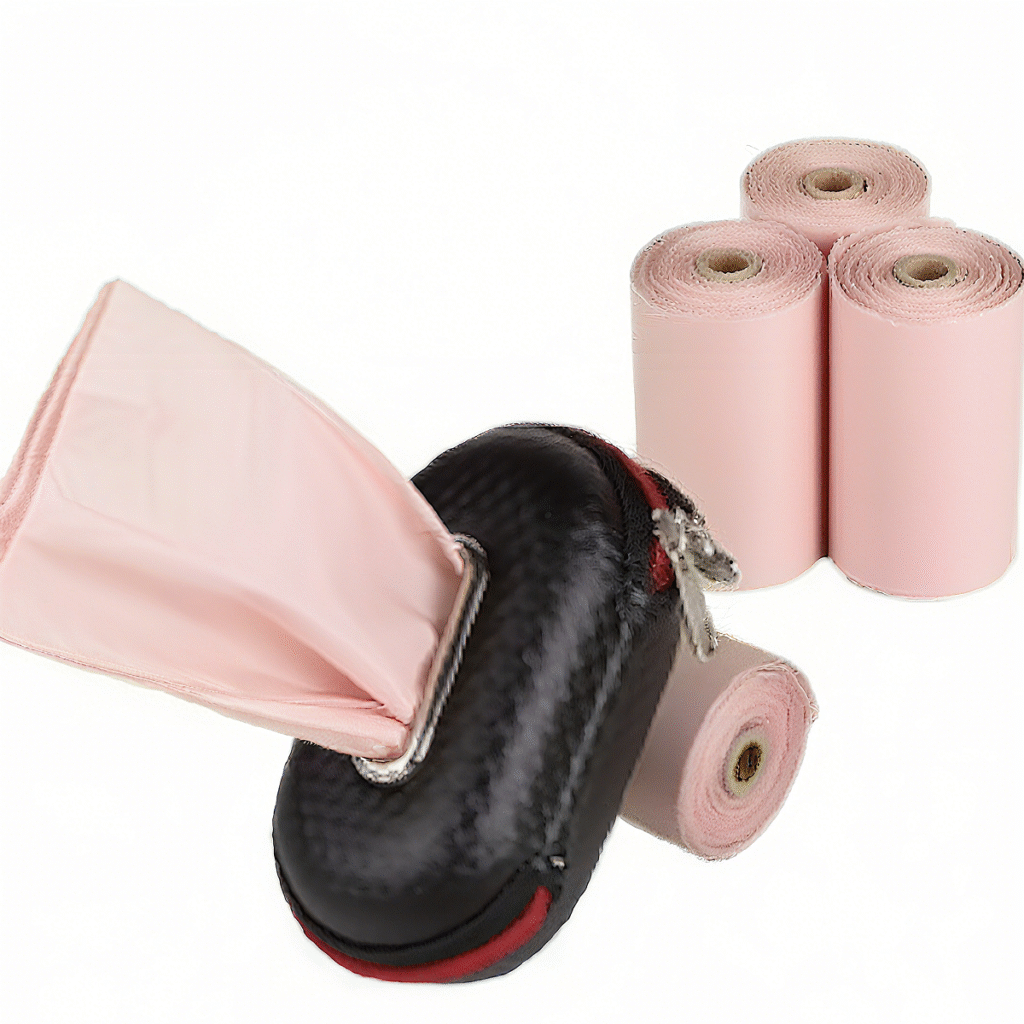
Environmental Impact: How Do They Compare?
| Feature | PLA | PBAT |
|---|---|---|
| Raw Materials | Renewable (plants) | Petroleum-based (but biodegradable) |
| Carbon Footprint | Lower (carbon-neutral if sourced sustainably) | Higher (due to fossil fuel origin) |
| Decomposition Time | 3–6 months in industrial composters | 3–6 months in industrial composters |
| Home Composting | Not suitable (requires high temperatures) | Some certified home-compostable variants exist |
| Marine Degradation | Very slow | Slow unless specifically formulated |
| End Products | CO₂, water, biomass | CO₂, water, biomass |
Performance in Pet Waste Bags: Strength, Flexibility, and Practicality
PLA-Based Bags
- Pros: Stiffness helps with scooping; clear appearance feels premium.
- Cons: Less elastic; can tear under stress; not ideal for large or wet waste.
PBAT-Based Bags
- Pros: Highly flexible and puncture-resistant; mimics traditional plastic bags.
- Cons: Softer texture may feel less sturdy to some users.
Blended Bags (PLA+PBAT)
Many brands combine PLA and PBAT to leverage the stiffness of PLA and the elasticity of PBAT. This offers a balance of strength and usability while maintaining compostability.
Certifications: What to Look For
Whether you choose PLA, PBAT, or a blend, ensure the product holds recognized certifications:
- ASTM D6400 or EN 13432: Industrial compostability
- OK Compost HOME: Home compostability (more relevant for PBAT-rich blends)
- BPI Certification: Verified compostability in the U.S. and Canada
Be wary of bags labeled merely “degradable” or “biodegradable” without certifications—these may contain additives that facilitate fragmentation rather than true biological breakdown.
disposal Realities: The Role of Composting Infrastructure
Both PLA and PBAT require specific conditions to decompose efficiently:
- Industrial Composting: High temperatures (50–60°C), moisture, and microbial activity are essential.
- Home Composting: Possible only with certain PBAT blends and under ideal conditions.
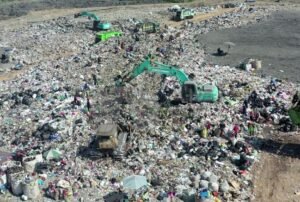
- Landfills: Neither material breaks down well in anaerobic landfill environments.
Always check if your local municipal or commercial composting facility accepts pet waste—many do not due to contamination risks.
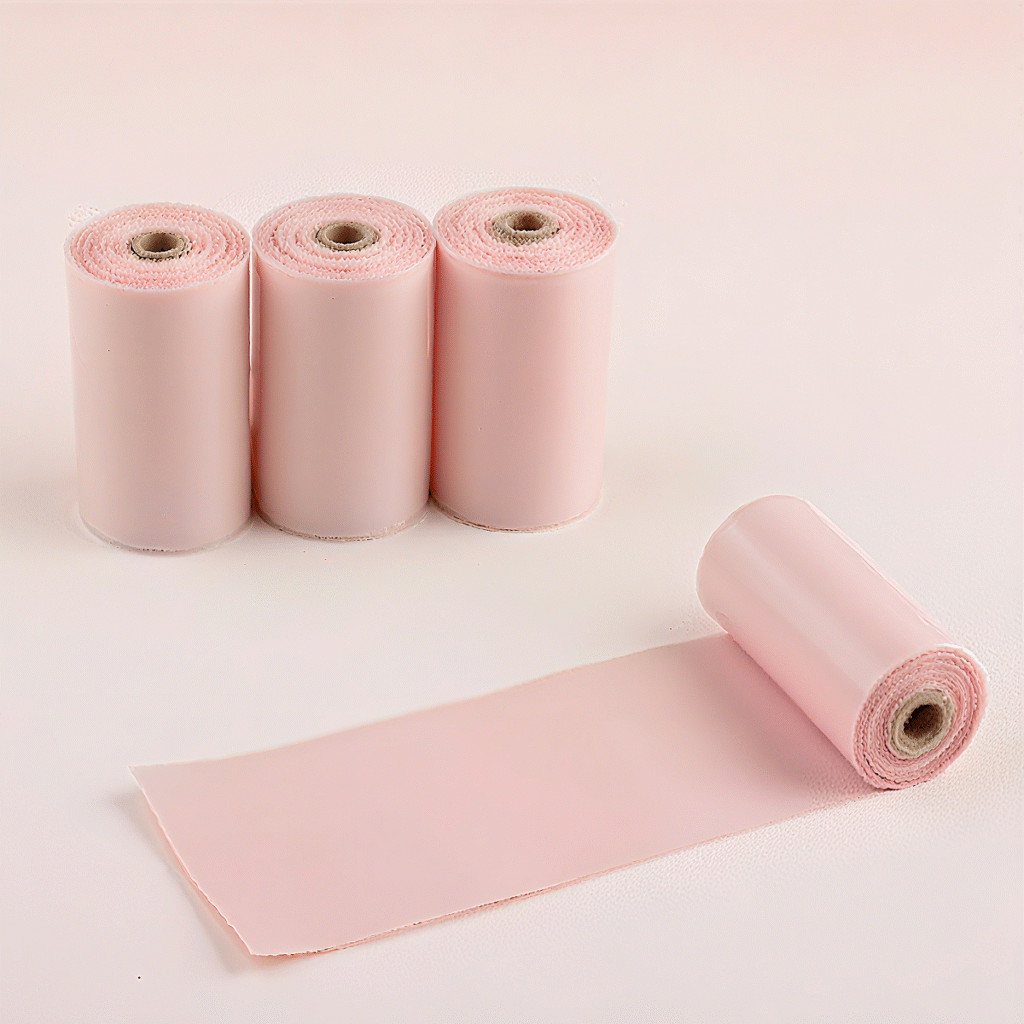
The Verdict: Which Should You Choose?
- If you have access to industrial composting:
→ Choose certified compostable bags made from PLA, PBAT, or blends. - If you compost at home:
→ Look for PBAT-based bags with OK Compost HOME certification. - If you prioritize renewable sourcing:
→ PLA is derived from plants and has a lower carbon footprint. - If durability is your main concern:
→ PBAT or PLA+PBAT blends offer better flexibility and tear resistance.
The Bigger Picture: Reducing Waste Beyond the Bag
While material choice matters, it’s only one part of sustainable pet ownership:
- Reduce: Minimize bag use with reusable scoops or flushable options where available.
- Reuse: Repurpose old newspapers or biodegradable paper for waste pickup.
- Compost: Support and advocate for local pet waste composting programs.
Conclusion: Make an Informed Choice for Your Pet and the Planet
Both PLA and PBAT represent significant improvements over conventional plastics. PLA offers a bio-based advantage, while PBAT provides superior flexibility and reliability. Your ideal choice depends on your priorities: renewability, performance, disposal options, and local infrastructure.
By understanding these materials and demanding certified products, you contribute to a circular economy—one where pet waste bags return to the earth harmlessly, leaving no trace behind.