As sustainability becomes increasingly important to consumers, the market has been flooded with so-called “eco-friendly” pet products. But when it comes to waste management, many pet owners are left wondering: are biodegradable bags really the solution they claim to be? The truth is more complex—and more interesting—than you might think.
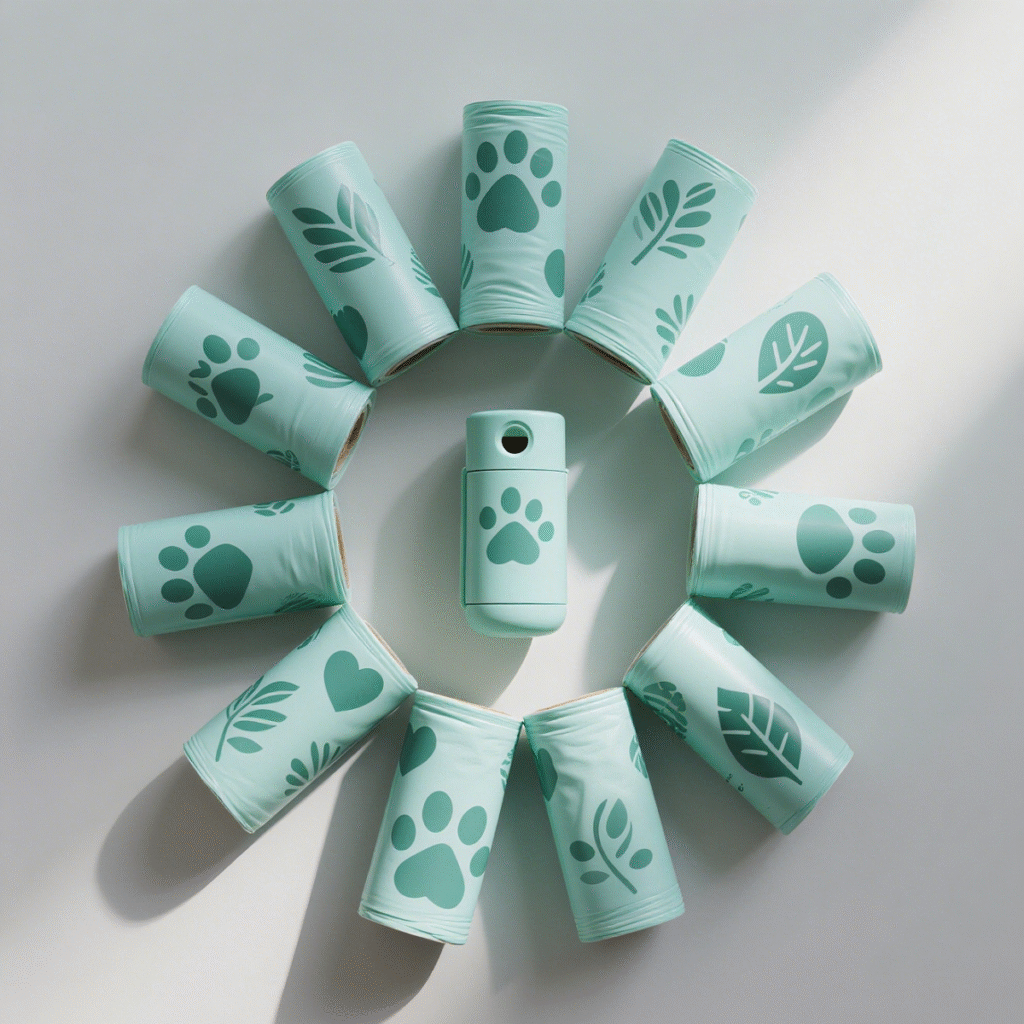
The Hidden Life of “Compostable” Pet Waste Bags
While many bags are marketed as compostable, the reality of what happens after disposal tells a different story:
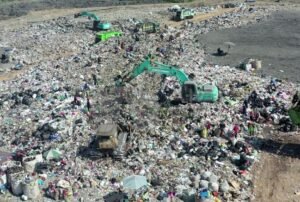
- Landfill Limitations: Even certified compostable bags may not break down in landfills due to lack of oxygen and microbial activity
- Methane Concerns: In anaerobic conditions, some biodegradable materials produce methane, a potent greenhouse gas
- Transportation Impact: Many “sustainable” bags are manufactured overseas, offsetting their environmental benefits
The Certification Maze: What Labels Really Mean
Understanding certifications is crucial for making informed choices:
Trustworthy Certifications:
- ASTM D6400: Requires complete breakdown within 180 days in commercial facilities
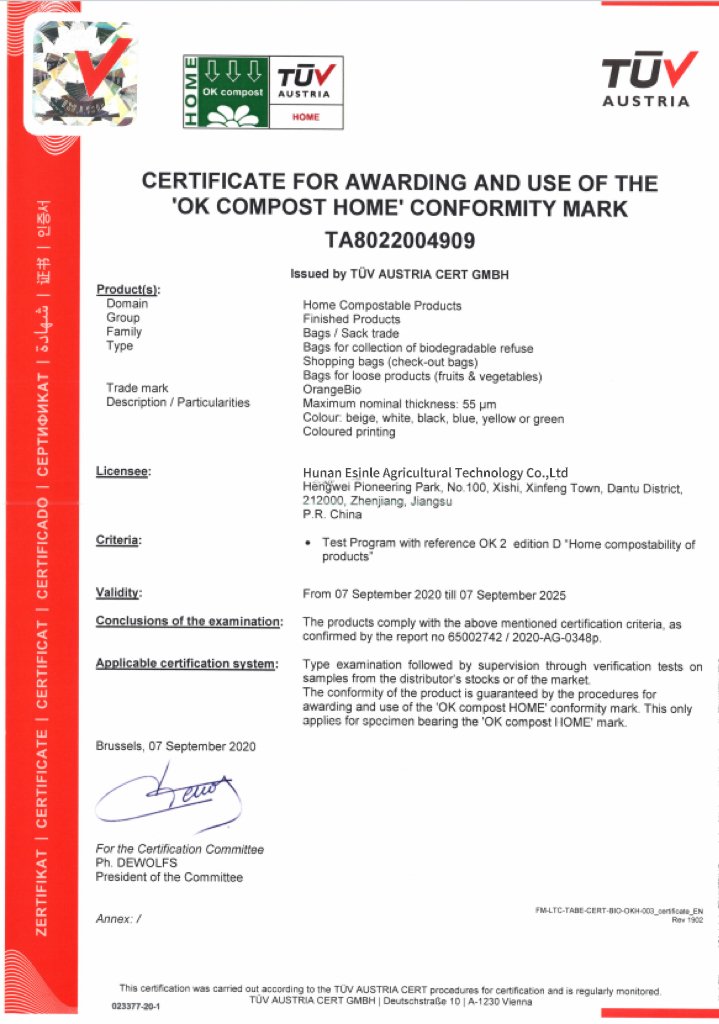
- OK Compost HOME: Certifies breakdown in home composting systems
Potentially Misleading Terms:
- “Oxo-degradable” (often just plastic with additives)
- “Photodegradable” (requires specific light conditions)
- “Green” or “Eco” (unregulated marketing terms)
The Infrastructure Problem: Why Your Location Matters
Your ability to use biodegradable bags effectively depends largely on local factors:
Urban Areas:
- Limited access to industrial composting facilities
- Restrictions on pet waste in municipal composting
- Higher likelihood of bags ending up in landfills
Rural/Suburban Areas:
- Better access to backyard composting
- Potential for pet waste digesters
- More space for alternative disposal methods
Beyond Bags: Comprehensive Waste Management Strategies
Truly sustainable pet waste management involves multiple approaches:
Waste Reduction:
- Train pets to use designated areas to minimize bag use
- Consider reusable systems for backyard cleanup
- Explore water-saving flushable options where appropriate
Proper Disposal Methods:
- Separate waste from bags when possible
- Research local regulations and facilities
- Consider professional composting services
Community Engagement:
- Advocate for pet waste composting programs
- Organize neighborhood cleanup initiatives
- Share information about proper disposal methods

Emerging Technologies and Future Solutions
The future of pet waste management looks promising with these developments:
Innovative Materials:
- Algae-based polymers that capture carbon during production
- Mycelium (mushroom) composites that enhance soil health
- Nanocellulose materials from agricultural waste
Smart Systems:
- IoT-enabled waste stations that track usage and optimize collection
- App-connected home composters that monitor decomposition
- Community-based digesters that convert waste to energy
Policy Progress:
- Extended producer responsibility laws gaining traction
- Municipal composting programs expanding to include pet waste
- International standards becoming more rigorous and unified
Making Responsible Choices: A Practical Framework
Follow this decision-making process for sustainable pet waste management:
- Assess Your Situation
- Research local composting capabilities
- Evaluate your space and resources
- Consider your pet’s specific needs
- Choose Appropriate Products
- Select certified compostable bags if you have access to facilities
- Opt for paper-based systems if composting isn’t available
- Consider reusable tools for backyard cleanup
- Implement Proper Disposal
- Follow local guidelines for waste separation
- Utilize available composting resources
- Avoid contaminating recycling streams
- Advocate for Improvement
- Support sustainable product manufacturers
- Petition for better waste management infrastructure
- Educate other pet owners about best practices
The Bigger Picture: Environmental Impact Beyond Waste
Remember that waste management is just one aspect of sustainable pet ownership:
Holistic Sustainability:
- Choose sustainable pet food options
- Opt for eco-friendly toys and accessories
- Support ethical pet product companies
- Consider adoption and responsible breeding practices
Conclusion: Towards Truly Sustainable Pet Care
Biodegradable bags can be part of the solution, but they’re not a silver bullet. The most sustainable approach involves:
- Reducing waste wherever possible
- Choosing appropriate products for your specific situation
- Supporting systemic change through advocacy and education
- Considering the full lifecycle of products and materials
By taking a comprehensive approach to pet waste management, we can significantly reduce our pets’ environmental impact while maintaining the cleanliness and convenience we value.
Your Action Plan:
- Research your local waste management options today
- Audit your current pet products for sustainability
- Share this information with at least one other pet owner
- Contact local officials about improving pet waste infrastructure
True sustainability requires looking beyond marketing claims and understanding the complete picture of how our choices affect the environment. With knowledge and action, we can make meaningful progress toward reducing our pets’ ecological pawprint.