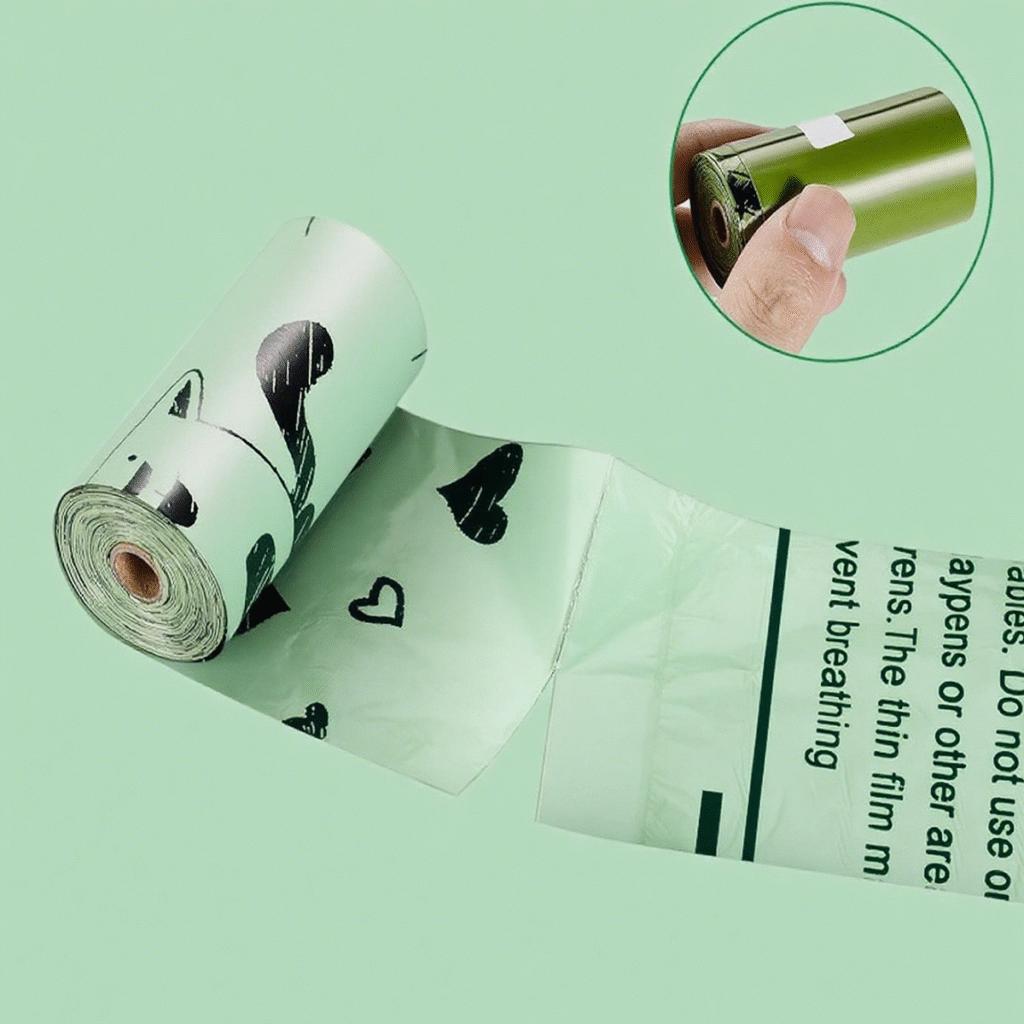
As environmentally conscious pet owners increasingly seek sustainable alternatives to plastic, biodegradable pet waste bags have emerged as a popular solution. But do these products truly deliver on their ecological promises, or are they simply another example of greenwashing? This comprehensive guide examines the science, benefits, and limitations of biodegradable pet bags to help you make informed decisions for your pet and the planet.
The Plastic Problem: Why Change is Necessary
Conventional plastic pet waste bags present a significant environmental challenge:
- They can take up to 500 years to decompose in landfills
- Millions of tons of plastic bags enter oceans annually, harming marine life
- Traditional plastic production contributes to greenhouse gas emissions
- Microplastics from degrading bags contaminate soil and water systems
Understanding Biodegradability: Science Behind the Claims
True biodegradation requires specific conditions:
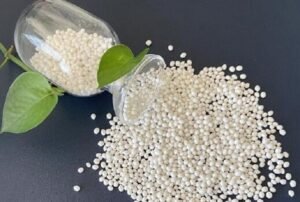
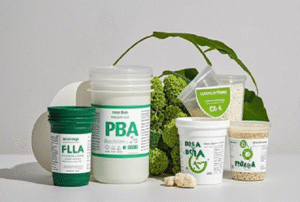
- Appropriate Materials: PLA (polylactic acid from cornstarch), PBAT (polybutylene adipate terephthalate), or other certified compostable polymers
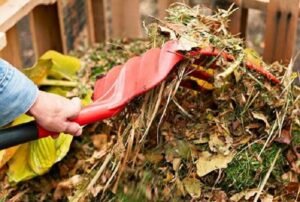
- Proper Environment: Adequate moisture, oxygen, and microbial activity
- Time Frame: Typically 3-6 months in industrial composting facilities
Certification Matters: How to Identify Truly Sustainable Products
Look for these third-party certifications:
- BPI Certification: Verification for North American markets
- OK Compost HOME: Certification for home composting suitability
Beware of vague terms like “eco-friendly,” “green,” or “degradable” without specific certifications, as these often indicate greenwashing.
The Reality of Disposal: Why Infrastructure Matters
Even certified compostable bags face practical challenges:
- Only 15% of urban areas have access to industrial composting facilities
- Most municipal programs don’t accept pet waste due to contamination concerns
- Home composting requires specific conditions and knowledge
- Bags sent to landfills may not decompose properly due to lack of oxygen
Beyond Bags: Comprehensive Sustainable Strategies
- Waste Reduction
- Train pets to use designated areas
- Consider reusable systems for backyard cleanup
- Explore flushable options where infrastructure permits
- Proper Disposal
- Research local composting regulations
- Separate waste from bags when possible
- Advocate for better community facilities
- Product Selection
- Choose bags with legitimate certifications
- Support companies using renewable energy
- Prioritize minimal, plastic-free packaging
Emerging Innovations in Pet Waste Management
The future holds promising developments:
- Marine-degradable formulations that break down in ocean environments
- Smart materials that change color when decomposition is complete
- Community composting programs specifically for pet waste
- Waste-to-energy conversion technologies
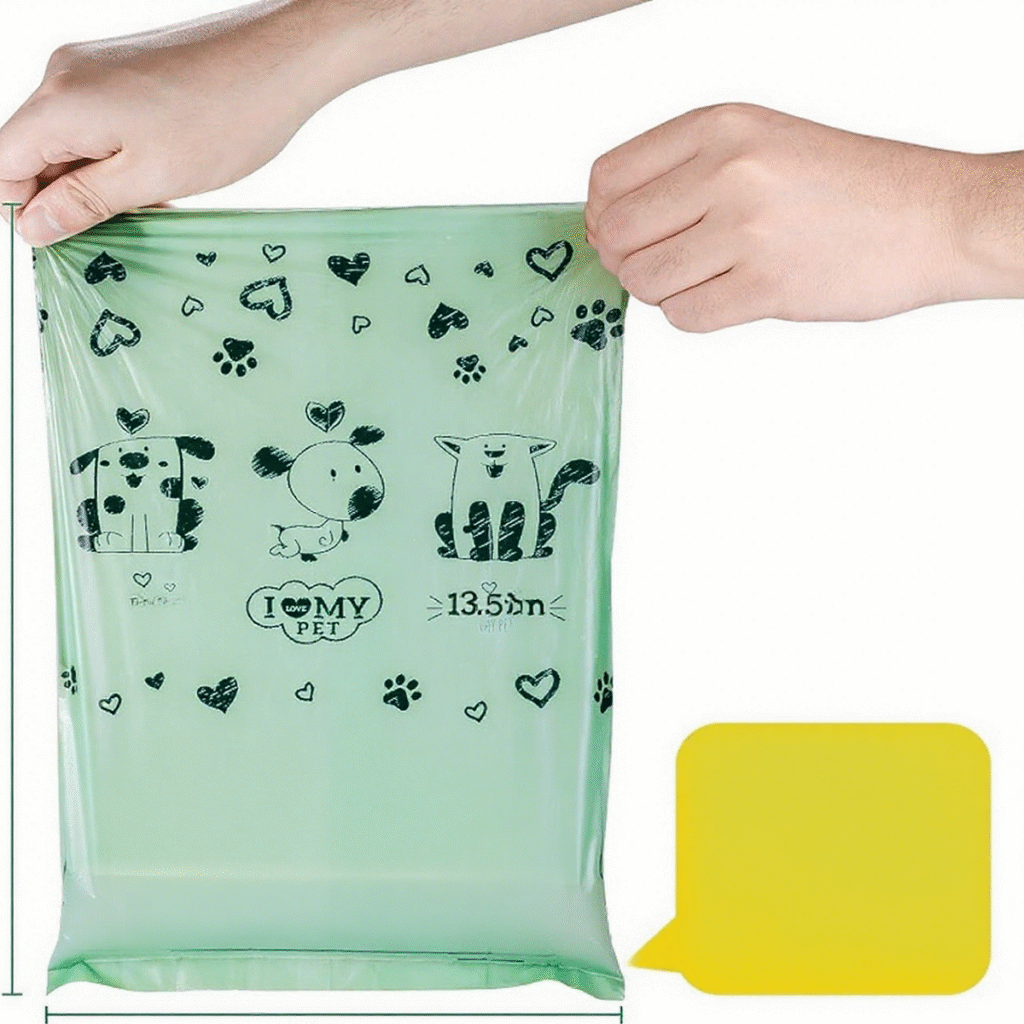
Making Responsible Choices: A Practical Framework
- Assess Your Situation
- Research local composting capabilities
- Evaluate your space and resources
- Consider your pet’s specific needs
- Select Appropriate Products
- Choose certified compostable bags if you have access to facilities
- Opt for paper-based systems if composting isn’t available
- Consider reusable tools for backyard cleanup
- Implement Proper Disposal
- Follow local guidelines for waste separation
- Utilize available composting resources
- Avoid contaminating recycling streams
The Bigger Picture: Environmental Impact Beyond Bags
Remember that waste management is just one aspect of sustainable pet ownership:
- Choose sustainable pet food options
- Opt for eco-friendly toys and accessories
- Support ethical pet product companies
- Consider adoption and responsible breeding practices
Conclusion: Towards Meaningful Sustainability
Biodegradable pet waste bags can be part of the solution, but they’re not a complete answer. The most sustainable approach involves:
- Reducing waste whenever possible
- Choosing appropriate products for your specific situation
- Supporting systemic change through advocacy and education
- Considering the full lifecycle of products and materials
By taking a comprehensive approach to pet waste management, we can significantly reduce our pets’ environmental impact while maintaining the cleanliness and convenience we value.
Your Action Plan:
- Research your local waste management options today
- Audit your current pet products for sustainability
- Share this information with other pet owners
- Contact local officials about improving pet waste infrastructure
True sustainability requires looking beyond marketing claims and understanding the complete picture of how our choices affect the environment. With knowledge and action, we can make meaningful progress toward reducing our pets’ ecological pawprint.