The Dark Side of Composting – You May Be Contributing to Carbon Emissions
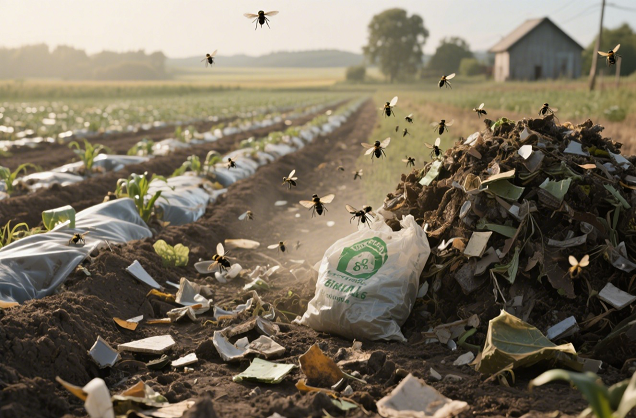
In recent years, composting has been widely touted as the ultimate solution to “zero-waste living”. However, the latest scientific research shows that under the wrong conditions, composting can produce more greenhouse gases than landfills.
In 2024, a team of researchers from the University of California, Berkeley, found that
30% of home composting systems actually increase carbon emissions due to mismanagement
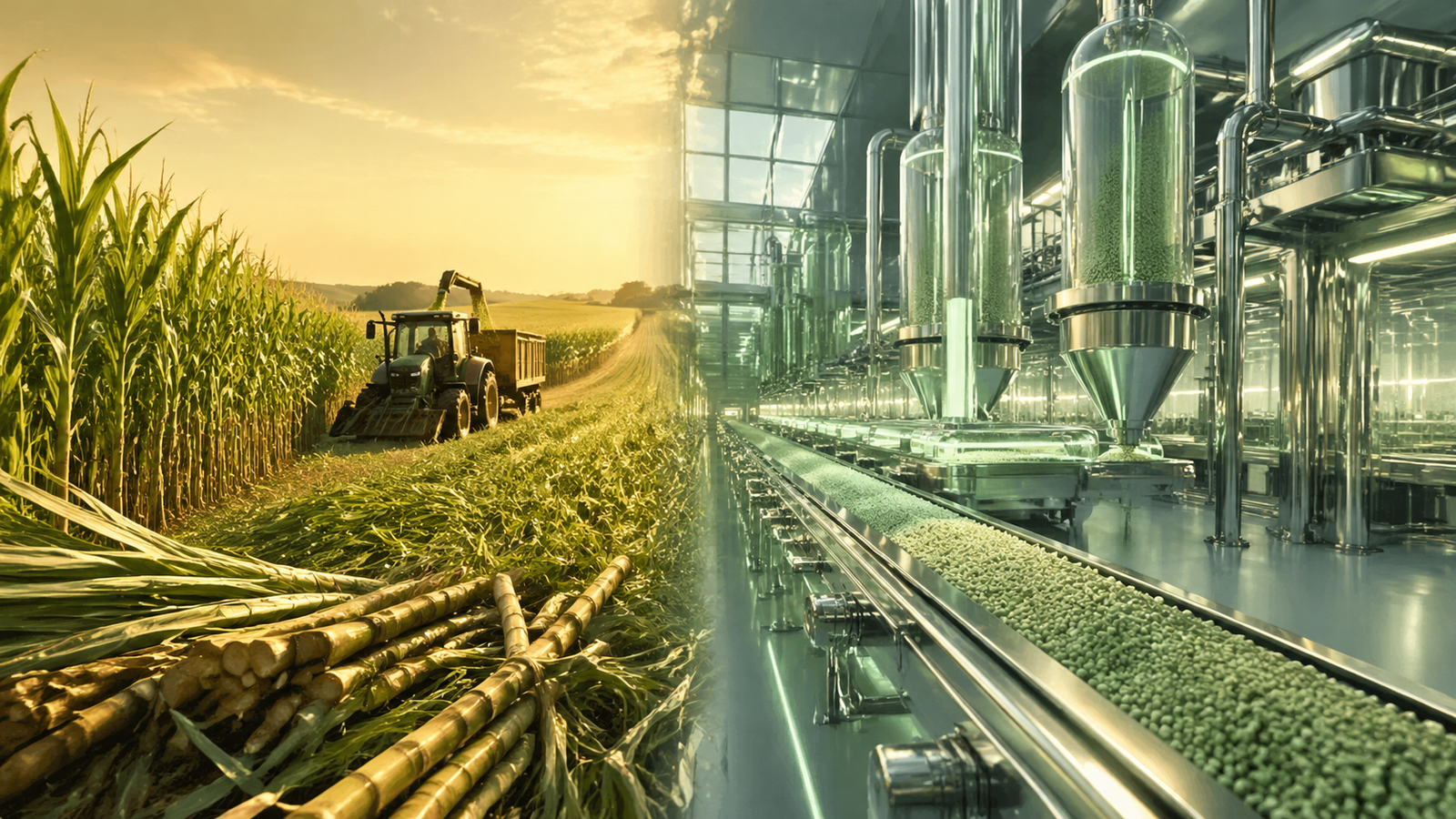
Some “compostable plastics” emit methane (CH₄), which has a greenhouse effect 25 times greater than CO₂, in an oxygen-poor environment.
Part 1: 4 scenarios where composting becomes “high carbon”
Scenario 1: Anoxic composting (methane production)
Healthy composting
Oxygen is sufficient, microorganisms convert organic matter to CO₂ + water + humus
Carbon emissions: 0.1kg CO₂e/kg compost
Anoxic composting
Anaerobic bacteria dominate, generating methane (CH ₄)
Carbon emissions: 2.3kg CO₂e/kg compost (23-fold jump)
Common errors
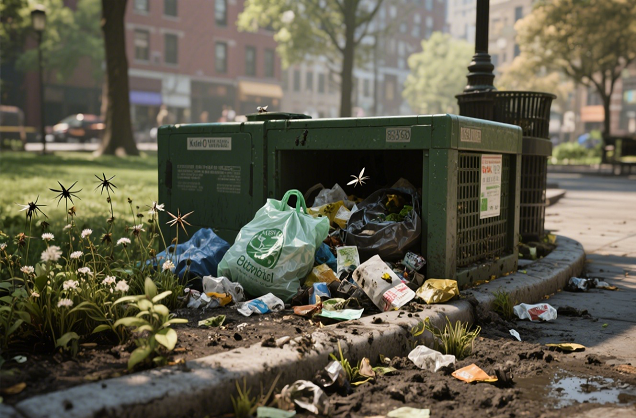
Compost bin completely sealed
Material too wet and not turned
Scenario 2: Incorrect material mixing (contaminated soil)
Material type Problem Alternatives
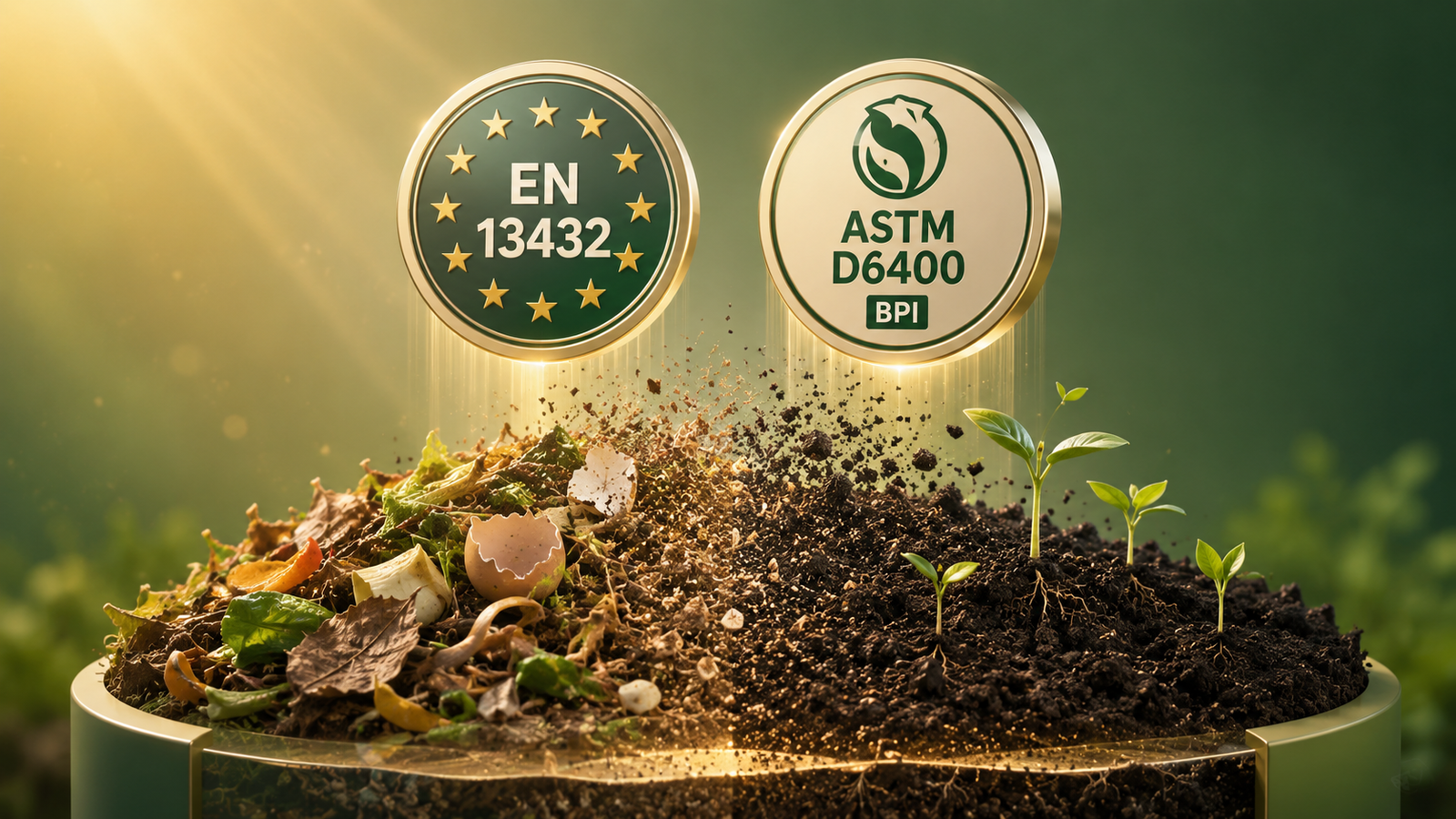
Compostable plastics Industrial compost-grade PLA does not decompose at home Recognize OK Compost HOME certification
Meat/dairy Attracts pests, creates odors Bokashi composting only
Herbicides residue plants Poisoning beneficial microorganisms High-temperature composting treatment alone
Scenario 3: Low temperature composting (cannot inactivate pathogens)
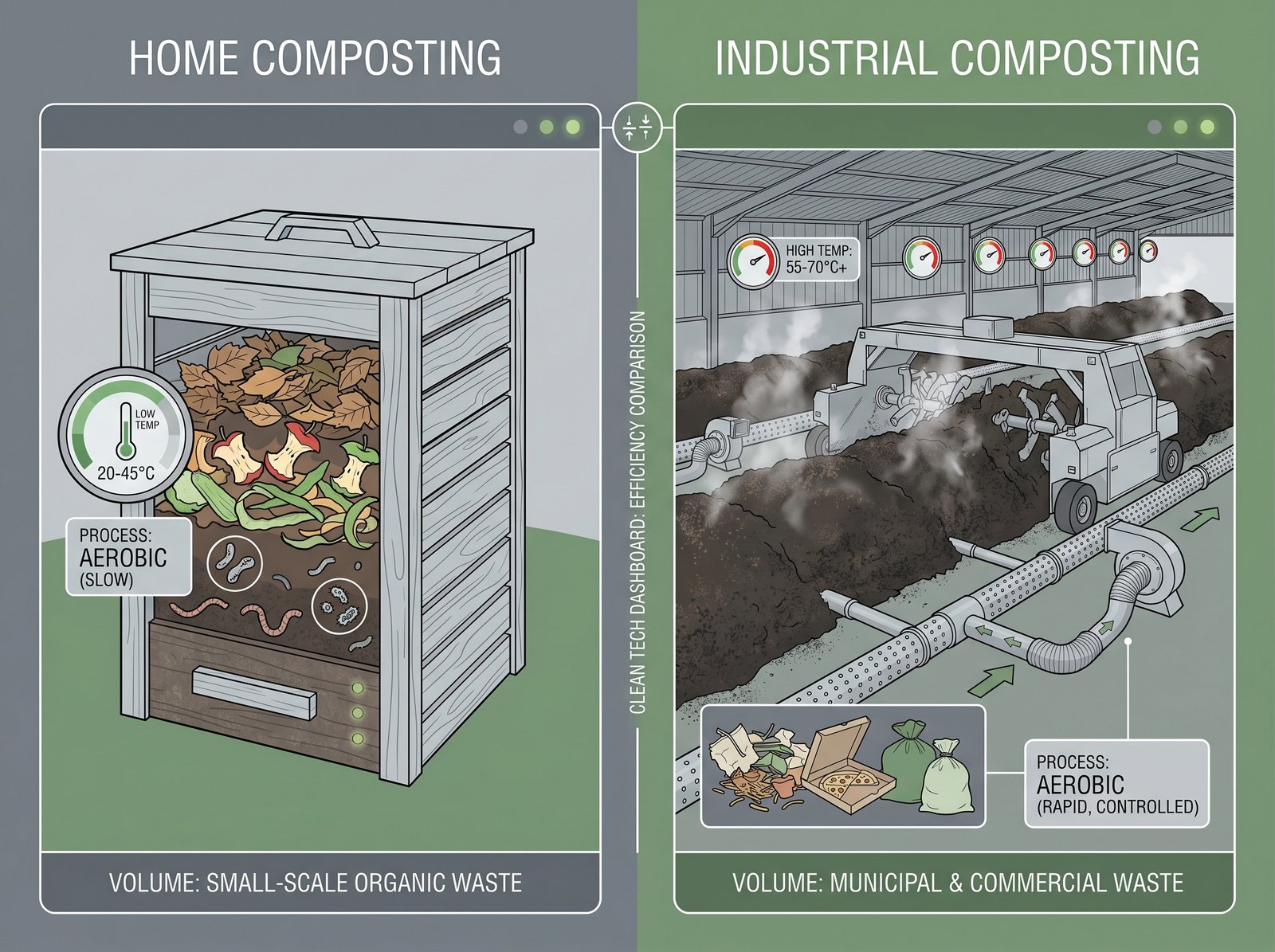
Ideal temperature: 54-65°C (lasts for 3 days to kill pathogens/weed seeds)
Reality
Small compost bins are only 30-40°C
Undecomposed pathogens enter the soil with the compost
Research data
Soil Association tests in the UK have shown that 42% of home composts contain E. coli in excess of the limit.
Scenario 4: Centralized treatment over long distances
Centralized composting plant
Trucks are needed to transport the waste, generating 3.2kg CO₂ per tonne
Decentralized local composting
Carbon emissions are reduced by 80%
Part 2: 5 Tips to Make Composting Truly Environmentally Friendly
Option 1: Forced Ventilation Design
DIY Retrofit:
Drill holes in the side walls of the compost bin (1cm in diameter, 10cm apart)
Insert PVC pipes for ventilation ducts
Effect: 90% reduction in methane emissions
Option 2: Precise Control of Carbon to Nitrogen Ratio
Golden Ratio of 25:1
“Green Materials” (Nitrogen Sources): Food waste, coffee grounds
“Brown materials” (carbon source): dried leaves, cardboard
Option 3: Temperature monitoring + turning
Tools recommended
Compost thermometer ($15-30)
Turning the heap once a week
Option 4: Localized Processing
Scenarios
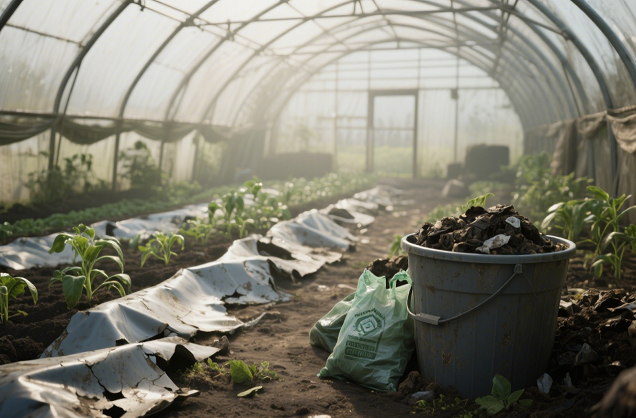
Community Shared Composting Stations (5-10 households)
Balcony Vermi-composting (suitable for condominiums)
Carbon Reduction Effect: 87% less than centralized processing
Option 5: Careful Selection of “Compostable” Products “Compostable” products
Safe choices
Certified home composting (OK Compost HOME)
Ingredients are PLA/PBAT/PHA only