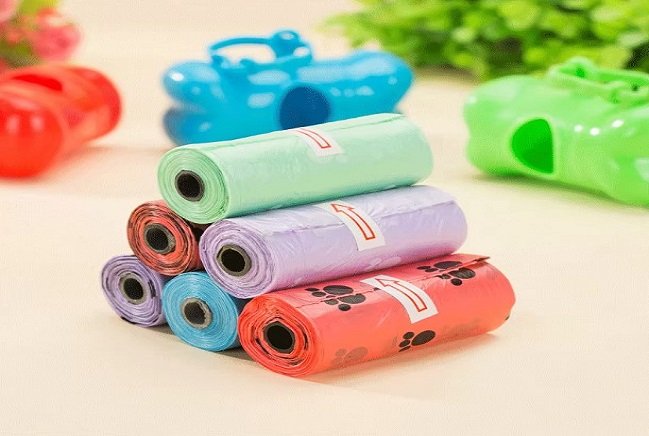
As climate change accelerates and plastic pollution worsens, environmentally conscious pet owners are seeking sustainable alternatives for managing pet waste. Biodegradable pet waste bags have emerged as a promising solution, but how do they actually work? This article breaks down the science, benefits, and proper use of these innovative products.
The Plastic Pollution Problem
Traditional plastic pet waste bags pose severe environmental threats:
400+ year decomposition timeline in landfills
Microplastic contamination of soil and waterways
Petroleum consumption contributing to fossil fuel dependence
Wildlife endangerment through ingestion and entanglement
How Biodegradable Technology Works?
Modern biodegradable bags utilize advanced materials science:
Plant-Based Polymers (PLA)
Sourced from renewable resources like corn starch or sugarcane
Carbon-neutral lifecycle when properly composted
Requires industrial composting facilities for optimal breakdown
Certified compostable under ASTM D6400 standards
Biodegradable Polyesters (PBAT)
Petroleum-based but fully biodegradable
Excellent flexibility and tear resistance
Home compostable under appropriate conditions
Marine-degradable formulations available
Certifications Matter: Look for These Labels
BPI Certification (Biodegradable Products Institute)
ASTM D6400 (US industrial composting standard)
EN 13432 (European compostability requirement)
OK Compost HOME (Home composting certification)
Environmental Benefits Verified
83% reduction in carbon footprint compared to conventional plastics
Zero microplastic residue upon decomposition
60-90 day decomposition in proper composting conditions
Renewable resource utilization reduces fossil fuel dependence
Performance Comparison
Traditional Plastic Bags
High tensile strength but centuries-long decomposition
Weather-resistant but environmentally destructive
Low cost but high environmental impact
Biodegradable Alternatives
Adequate durability for daily use
Compostable within months under right conditions
Higher initial cost but lower long-term environmental impact
Proper Usage Guidelines
Storage Conditions
Keep in cool, dry place away from sunlight
Use within 12 months of purchase
Avoid high humidity environments
Disposal Methods
Industrial composting for PLA-based products
Home composting for PBAT and certified HOME compostable bags
Municipal organic waste programs where accepted
Regular trash only when no other options exist
Emerging Innovations:
Blockchain-tracked sustainability verification
Ocean-degradable formulations
Carbon-negative production processes
Community composting initiatives
Policy Developments:
Extended producer responsibility laws
Improved labeling requirements
Municipal composting infrastructure expansion
Making the Right Choice
Selection Criteria:
Verify certifications match your disposal options
Check material composition (PLA, PBAT, or blends)
Review performance testing results
Consider local infrastructure for proper disposal
Support transparent companies with ethical practices
Conclusion: Small Changes, Big Impact
Switching to certified biodegradable pet waste bags represents more than just a product change—it’s a commitment to environmental stewardship. While challenges remain in waste management infrastructure and consumer education, these products offer a genuine path toward reducing plastic pollution.