Commonly used compostable packaging includes PLA/PBAT food containers, films, and paper cups in the food industry; plant fiber bottles, jars, and shopping bags in daily necessities; and bio-based bubble wrap, express delivery bags, and tape for logistics.
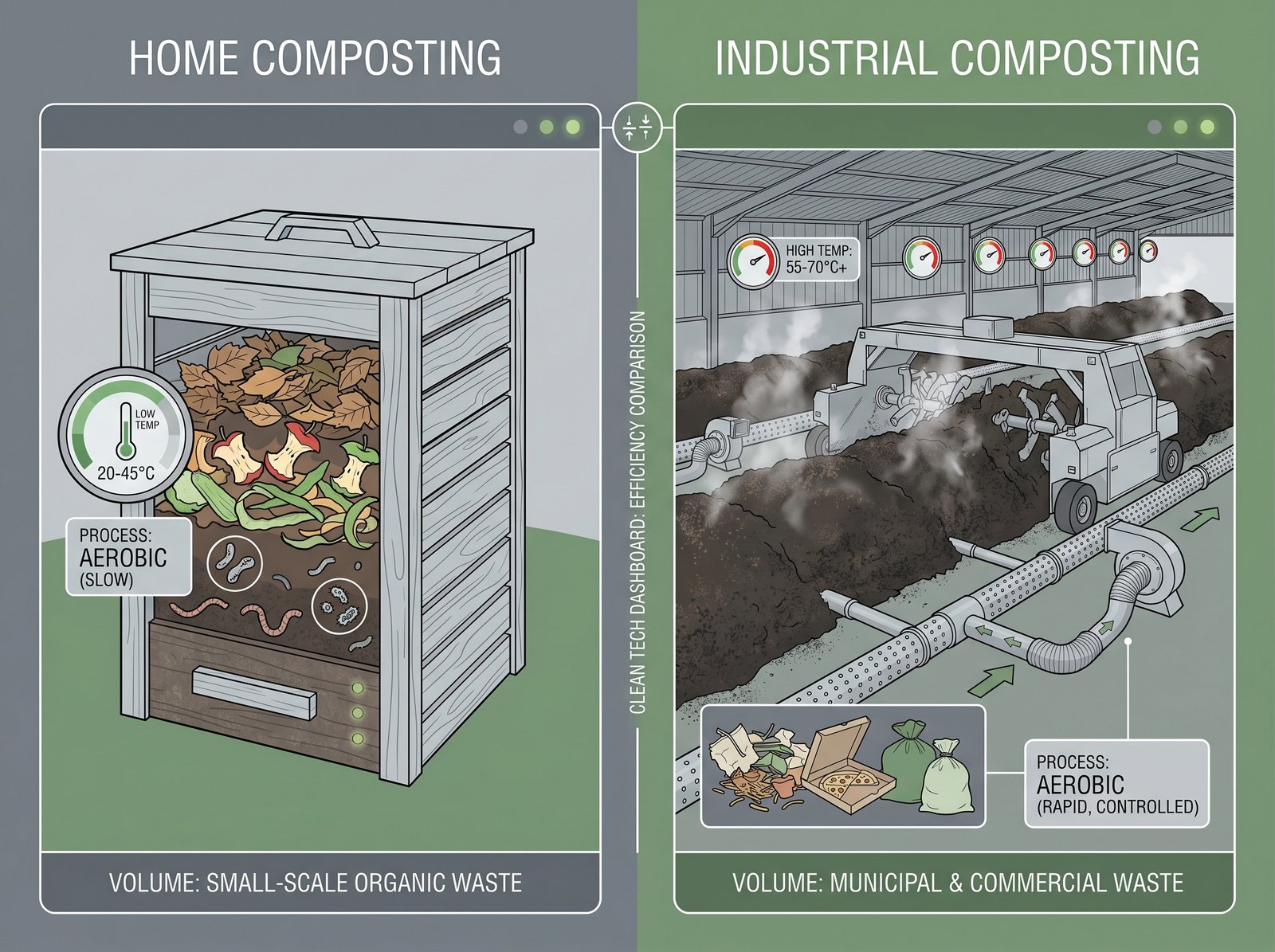
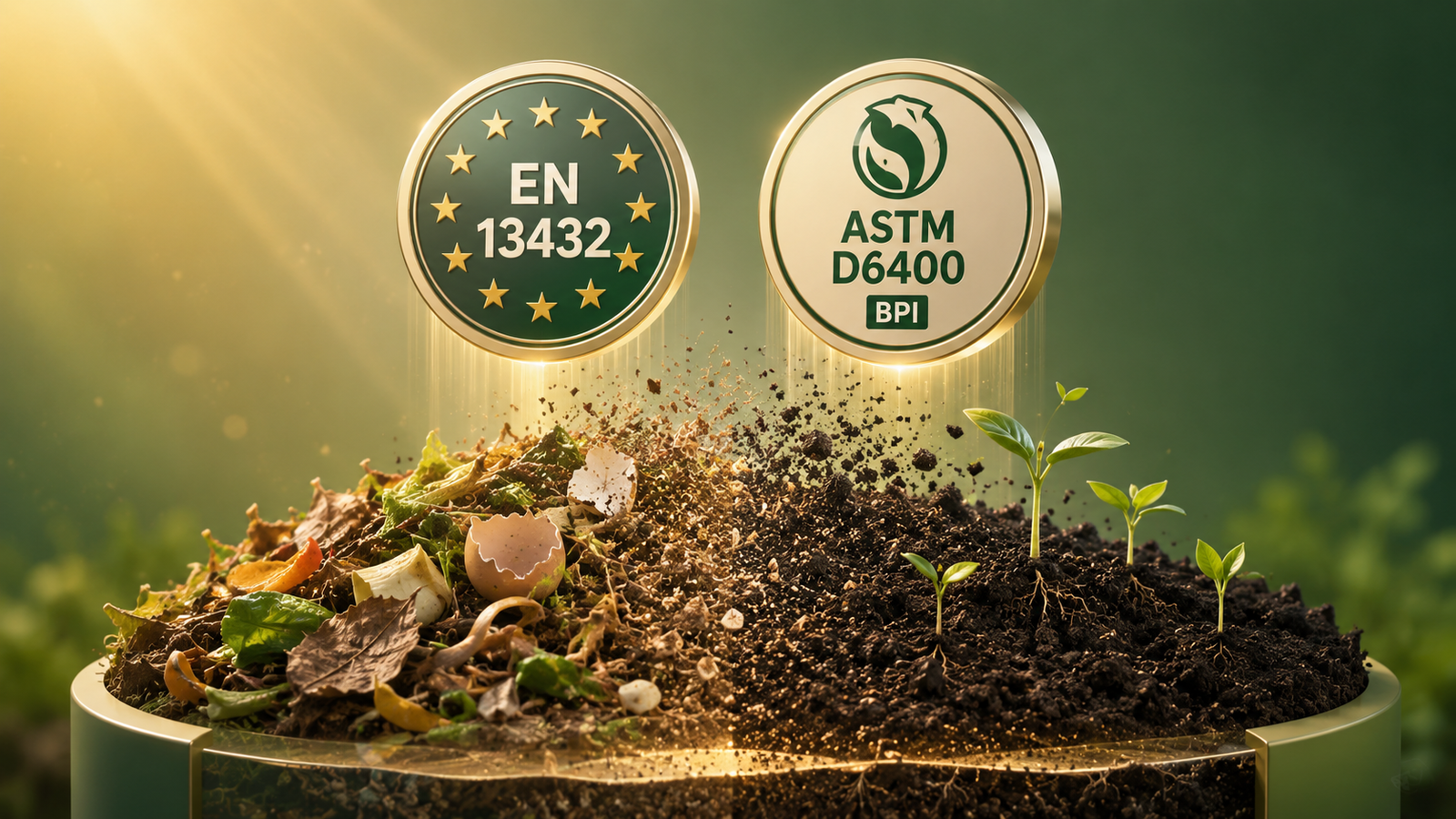
This type of packaging must pass industrial composting certifications such as ASTM D6400 or EN13432 to ensure complete decomposition into water and carbon dioxide under specific conditions, leaving no harmful residues. When used correctly, it should be placed in professional composting facilities and should not be mixed with traditional plastics to achieve resource recycling and plastic reduction goals.
I. Food Contact Packaging
Food contact compostable packaging mainly includes PLA/PBAT food containers, films, and other packaging suitable for takeout and fresh food delivery. It has passed food-grade safety certification, possesses temperature resistance and leak-proof properties, and can quickly decompose into harmless substances under industrial composting conditions, achieving an environmentally friendly closed loop from use to return to nature. It is a green solution to replace traditional plastic packaging.
1. Catering Containers
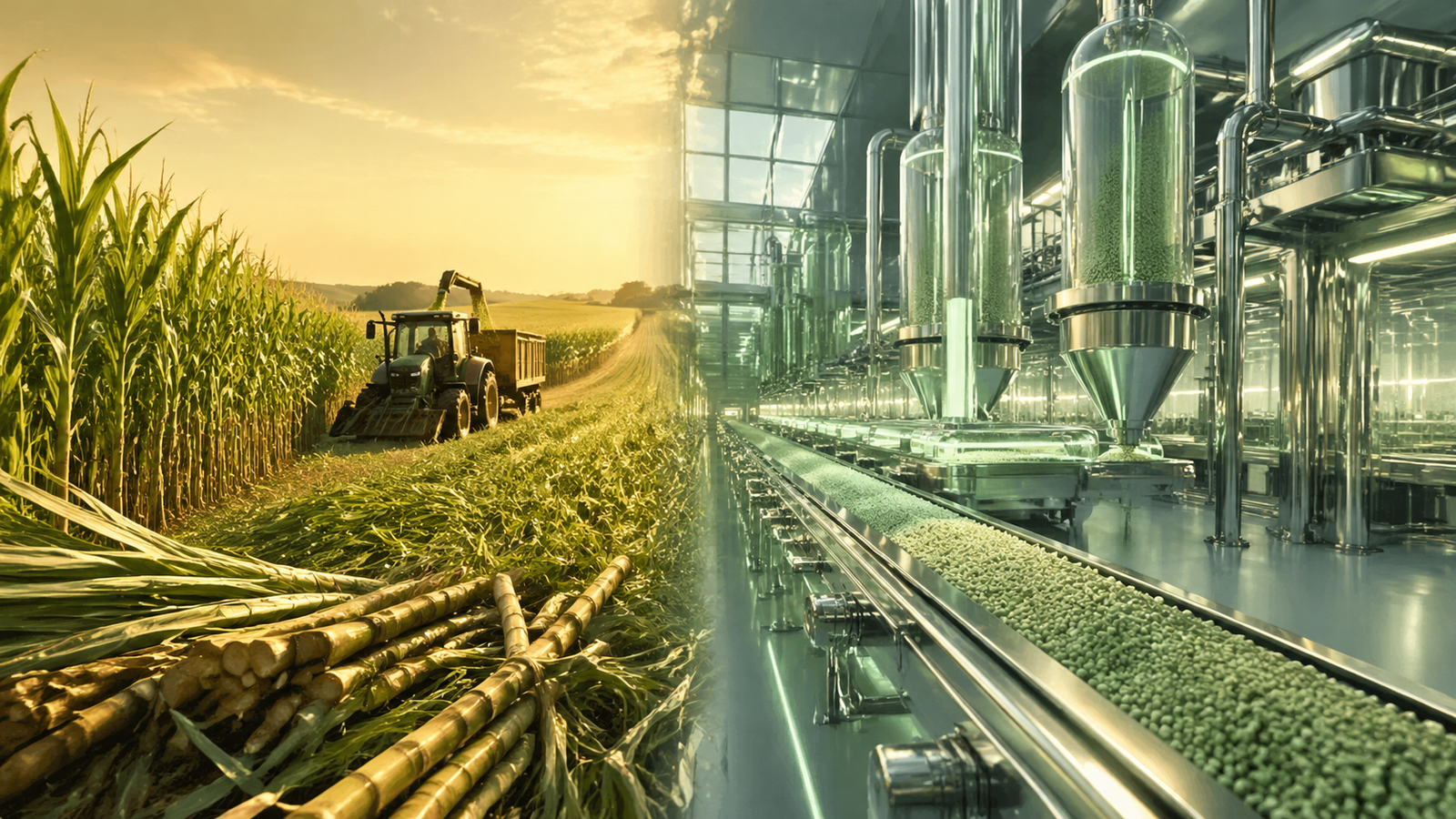
This type of packaging comes into direct contact with food and must meet both food safety and environmental degradation standards. The main materials used are polylactic acid (PLA), polybutylene adipate terephthalate (PBAT), or blends of both. Molded products made from sugarcane bagasse, bamboo fiber, and other plant fibers are also common.
Key characteristics include a certain degree of heat and oil resistance (PLA is heat-resistant to approximately 60℃). Some products can hold hot food and can completely decompose within 180 days under industrial composting conditions. Typical products include takeout containers, coffee cup lids, disposable bowls and plates, and sushi trays.
2. Plastic Wrap and Packaging Bags
This type of packaging is used for wrapping or bagging fresh food and baked goods. The materials are mostly PLA blown film and starch-based composite materials. They have high transparency, are printable, and require FDA food contact material certification and ASTM D6400 composting certification. Common typical products include fruit and vegetable plastic wrap, bread bags, and snack stand-up pouches.
3. Beverages and Cups
Leak-proofing and durability of liquid containers are technical challenges. The main materials used include PLA-coated paper cups, bamboo fiber cups, and PLA straws. Innovation focuses on improving waterproof and leak-proof performance, and developing versions suitable for home composting. Typical products include hot and cold drink cups, lids, and straws.
II. Daily Consumer Goods Packaging
Common compostable types of daily consumer goods packaging include PLA injection-molded skincare bottles and jars, starch-based composite film face mask bags, and PLA-coated paper gift bags. These packages combine aesthetic design with environmental friendliness and are completely biodegradable after industrial composting certification. After use, they must be disposed of in professional composting facilities to avoid mixing with traditional plastics and ensure effective resource recycling.
1. Cosmetics and Personal Care Packaging
This type of packaging emphasizes texture and design, balancing aesthetics and environmental friendliness. The main materials used include PLA injection-molded bottles and jars, wood fiber composite materials, and paper-based composite films.
They offer an appearance comparable to traditional plastics, a lightweight feel, allow for fine printing, and some are industrially compostable. Typical products include skincare bottles and jars, shampoo packaging, and face mask backing films.
2. Shopping and Carrying Packaging
These products replace traditional plastic shopping bags and tote bags. The main materials used include PLA blown film bags, cotton-linen blend bags (with compostable linings), and thick paper composite bags.
They have good load-bearing capacity (typically 3-5 kg), can be reused several times, and are ultimately compostable. Typical products include retail shopping bags, clothing tote bags, and gift packaging.
III. Logistics and Transportation Packaging
Compostable packaging for logistics and transportation mainly includes bio-based cushioning materials (such as PLA foam pads and mushroom mycelium fillers), composite film express bags, and plant fiber tape.
This type of packaging offers similar protection and durability to traditional plastics, while also being industrially compostable certified (e.g., ASTM D6400), ensuring complete decomposition after use and effectively reducing plastic pollution and waste burden in the e-commerce and logistics industries.
1. Cushioning Performance Approaching Traditional Materials:
This type of packaging decomposes in composting facilities, and some materials (such as paper liners) are compostable at home. Typical products include bubble wrap, corner protectors, and filler granules.
2. Express Delivery Packaging:
This type of packaging must meet strength and abrasion resistance requirements during logistics. Materials primarily consist of PLA+PBAT composite film, thickened paper-based coating, and plastic-free coated kraft paper.
It must be tear-resistant, waterproof, and moisture-proof, and must pass industrial composting certification (such as OK compost INDUSTRIAL). Typical products include express delivery document envelopes, e-commerce logistics bags, and tape.
3. Agricultural and Horticultural Packaging:
This type of packaging often comes into direct contact with soil, requiring degradation products that are harmless to plants. Materials primarily consist of starch-based film, paper-based seed strips, and plantable paper.
Some products (such as plantable packaging containing seeds) can be directly buried in the soil after use; the seeds germinate while the packaging degrades, achieving zero waste. Typical products include seed packaging bags, seedling pots, fertilizer packaging, and soil conditioner bags.
V. Certification System and Labeling
Compostable packaging must be certified by an authoritative body to be environmentally effective. Major international certifications include industrial composting standards (such as ASTM D6400, EN13432) and household composting standards (such as AS5810). Product packaging must clearly display the word “Compostable” and the certification body’s logo (such as OK compost, BPI mark), and specify the applicable composting type.
Consumers can quickly distinguish genuine products from counterfeit ones through certification marks, ensuring that the packaging can completely decompose under the corresponding conditions and preventing “pseudo-degradable” products from entering the composting system and causing pollution.
1. Industrial Composting Certification
(1) ASTM D6400 (US Standard): Requires a biodegradation rate of at least 90% within 180 days under specific industrial composting conditions.
(2) EN13432 (EU Standard): In addition to decomposition rate requirements, it also has strict limits on heavy metal content and ecotoxicity.
(3) OK compost INDUSTRIAL: An internationally recognized certification mark.
2. Home Compost Certification
OK compost HOME certified packaging does not require professional composting facilities and can be decomposed in a backyard compost bin.
VI. Selection and Usage Guidelines
1. Enterprise Selection Recommendations
(1) Food and Beverage Industry: Prioritize compostable packaging that has passed FDA food contact certification, paying attention to practical performance such as temperature resistance and leak prevention.
(2) E-commerce and Logistics Industry: Choose high-strength, wear-resistant compostable express bags and use biodegradable tape.
(3) Retail Brands: Combine brand image with the selection of well-designed, tactilely appealing compostable packaging to enhance the consumer experience and green image.
2. Consumer Use and Disposal
Check the compost certification mark on the packaging before use. After use, if there is local industrial composting facility, dispose of it as organic waste; if there is no home compost packaging, it can be placed in a backyard compost bin.