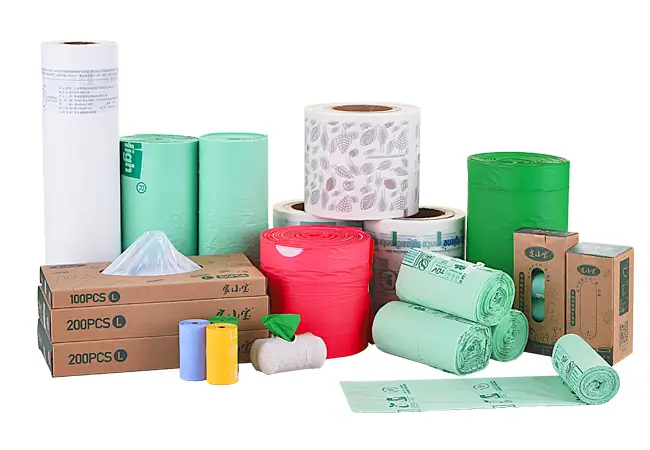
As environmental awareness grows, many pet owners are making the switch to biodegradable waste bags. But with so many products claiming to be “eco-friendly” and “green,” how can you separate fact from fiction? This comprehensive guide cuts through the marketing hype to give you the real facts about biodegradable pet waste bags.
The Good Intentions: Why We Reach for Them
Let’s start with the appeal. Biodegradable and compostable pet waste bags are marketed as a sustainable alternative to conventional plastic bags, which are derived from petroleum and can persist in landfills for centuries. The idea that our pet’s waste can be managed in a way that returns to the earth is powerful and attractive. It feels like a simple swap for a lighter conscience.
The Honest Truth: “Biodegradable” is a Complicated Word
Here’s the most critical thing to understand: the term “biodegradable” is broad and often misleading.
Unlike “compostable,” which is a regulated term with specific standards, “biodegradable” simply means a material will eventually break down. This could take years, decades, or even longer, and it can happen in a way that isn’t necessarily beneficial.
There are two main types of bags you’ll encounter:
- Biodegradable Bags: These may break down faster than traditional plastic under ideal conditions, but they often require industrial facilities to do so. In a sealed landfill, they may not decompose much faster than regular plastic and can still release methane, a potent greenhouse gas.
- Compostable Bags (Certified): These are the better option. They are designed to break down into non-toxic, nutrient-rich compost within a specific timeframe (e.g., 90 days) in a commercial composting facility. However, they need the high heat and specific microbial activity of these facilities to do so.
The Big Problem: It’s All About the End Game
This leads us to the biggest issue. For a compostable bag to fulfill its promise, it must end up in a commercial composting facility that accepts pet waste.
This is a rare service. Most municipal composting programs do not accept pet waste because it can contain pathogens and parasites that are not eliminated in standard composting processes for garden use.
So, what actually happens to most “eco-friendly” bags?
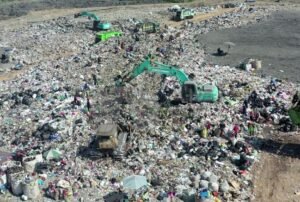
They get tied up, thrown in the trash, and sent to a landfill. In the oxygen-starved environment of a landfill, even certified compostable bags are unlikely to break down properly. Their environmental benefit is effectively lost.
The Problem with Conventional Plastic Bags
Most pet owners don’t realize that the average plastic pet waste bag:
- Takes 500+ years to fully decompose in landfills
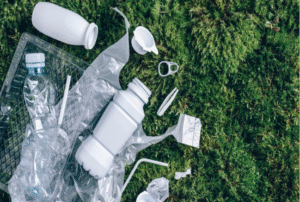
- Contributes to microplastic pollution in our soil and waterways
- Accounts for millions of tons of non-recyclable waste annually
- Often ends up in oceans, harming marine life
What Makes a Bag Truly Biodegradable?
True biodegradation requires three key elements:
- Proper materials (PLA, PBAT, or certified compostable blends)
- Right conditions (temperature, moisture, and microorganisms)
- Adequate time (typically 3-6 months in industrial composting facilities)
The Certification Challenge: Don’t Be Fooled by Labels
Look for these legitimate certifications:
- ASTM D6400 – The gold standard for compostability
- BPI Certified – North America’s leading verification
- OK Compost HOME – For home composting compatibility
Be wary of vague terms like:
- “Eco-friendly”
- “Green”
- “Earth-safe”
- “Degradable” (without certification)
The Reality of Disposal: Why Infrastructure Matters
Even certified compostable bags face challenges:
- Only 5% of U.S. communities accept pet waste in composting programs
- Most bags end up in landfills where they can’t properly decompose
- Home composting requires specific conditions and expertise
Practical Solutions for Responsible Pet Owners
- Choose Certified Products
- Look for BPI or ASTM D6400 certification
- Avoid products without third-party verification
- Advocate for Better Infrastructure
- Petition local waste management for pet waste composting
- Support community composting initiatives
- Consider Alternatives
- Flushable options (where available)
- Paper-based systems
- Backyard digesters for rural areas
The Future of Sustainable Pet Waste Management
Emerging innovations include:
- Marine-degradable formulations that break down in ocean water
- Home compostable certifications becoming more accessible
- Municipal programs increasingly accepting pet waste
- Carbon-negative production methods
Key Takeaways for Smart Choices
- Certification matters more than claims
- Local infrastructure determines actual sustainability
- No solution is perfect – focus on progress over perfection
- Advocacy and education drive systemic change
Conclusion: Be Part of the Solution
While biodegradable pet waste bags aren’t a perfect solution, they represent an important step toward sustainable pet ownership. By choosing certified products, advocating for better waste management infrastructure, and educating fellow pet owners, you can make a genuine difference.
Remember: the most sustainable choice is the one that actually works in your community. Do your research, ask questions, and don’t settle for greenwashing. Our pets bring us joy – let’s ensure our care for them doesn’t come at the planet’s expense.
Ready to make a change? Start by:
- Checking your current bags for legitimate certifications
- Researching local composting options
- Sharing this information with other pet owners
Together, we can create a future where cleaning up after our pets doesn’t mean trashing the planet.