As pet owners, we want the best for our furry companions—but are we choosing the best for the planet, too? Traditional plastic pet waste bags contribute significantly to global plastic pollution, taking hundreds of years to decompose in landfills. Fortunately, biodegradable pet waste bags offer a sustainable alternative. In this article, we’ll explore how these bags work, what materials they’re made from, and how to choose truly eco-friendly options.
Why Switch to Biodegradable Pet Waste Bags?
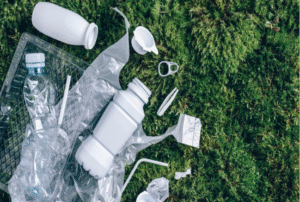
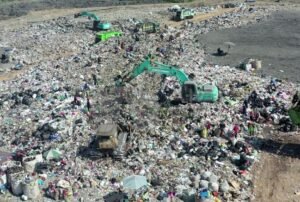
Conventional plastic bags are made from polyethylene, a petroleum-based material that does not break down naturally. These bags accumulate in landfills, oceans, and natural habitats, harming wildlife and ecosystems. Biodegradable bags, on the other hand, are designed to decompose through natural processes, reducing environmental impact.
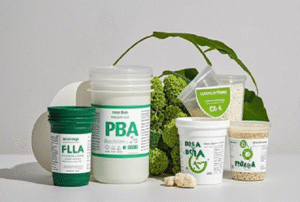
Key Materials: PLA vs. PBAT
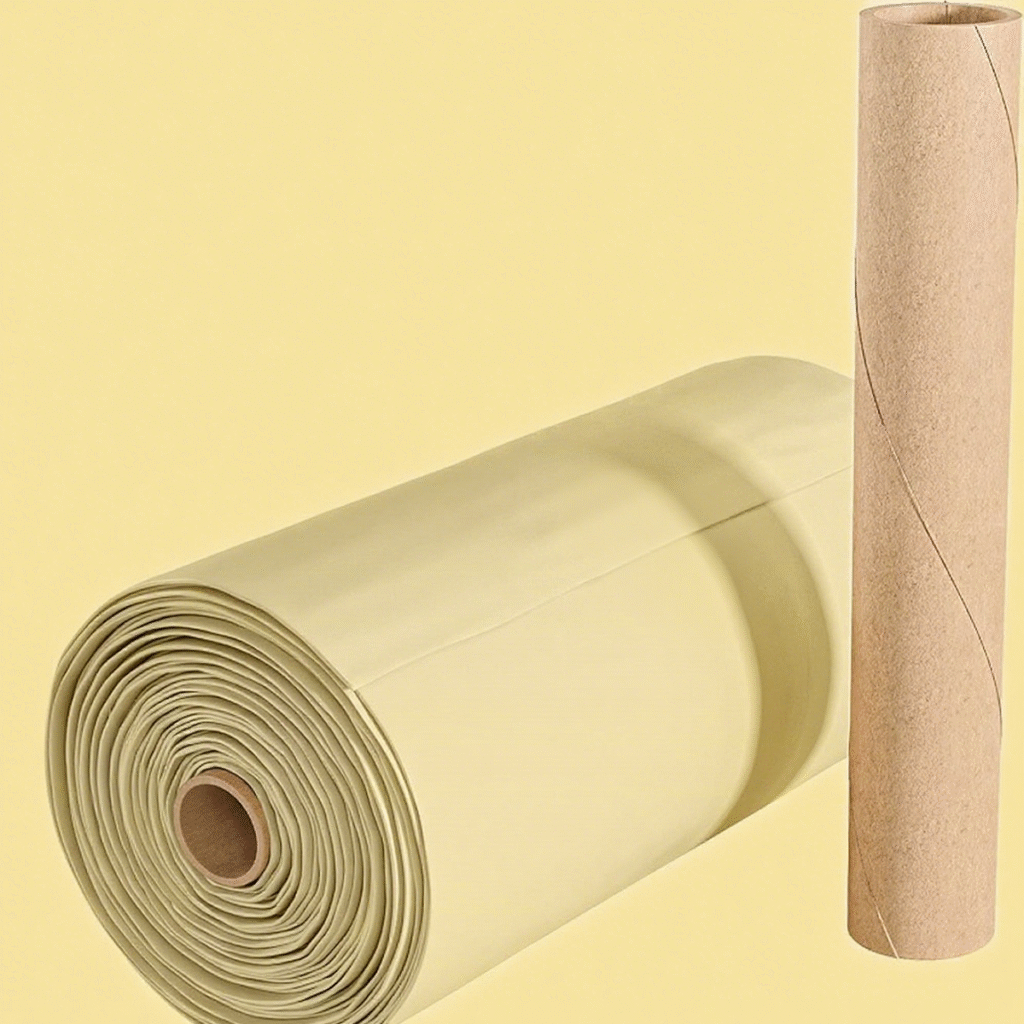
Most biodegradable pet waste bags are made from the following materials:
- PLA (Polylactic Acid)
- Derived from renewable resources like cornstarch or sugarcane.
- Rigid and compostable under industrial conditions.
- Requires high temperatures to break down fully.
- PBAT (Polybutylene Adipate Terephthalate)
- A petroleum-based but biodegradable polymer.
- Flexible and durable, mimicking traditional plastic.
- Breaks down efficiently in composting environments.
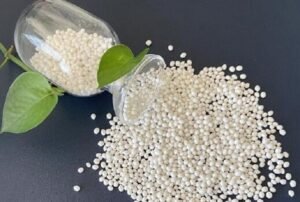
Many brands blend PLA and PBAT to balance stiffness and elasticity while ensuring compostability.
Look for These Certifications
Not all “biodegradable” bags are created equal. To avoid greenwashing, choose products with these certifications:
- ASTM D6400 or EN 13432: Indicates industrial compostability.
- OK Compost HOME: Certifies home compostability.
- BPI Certification: Verified compostability in the U.S. and Canada.
How to Dispose of Biodegradable Bags Responsibly
Biodegradable bags require specific conditions to decompose:
- Industrial Composting Facilities: Ideal for PLA and PBAT bags.
- Home Composting: Only possible with bags certified for home composting.
- Landfills: Avoid sending bags here, as lack of oxygen slows decomposition.
Always check your local composting facilities to see if they accept pet waste.
Top Benefits of Biodegradable Pet Waste Bags
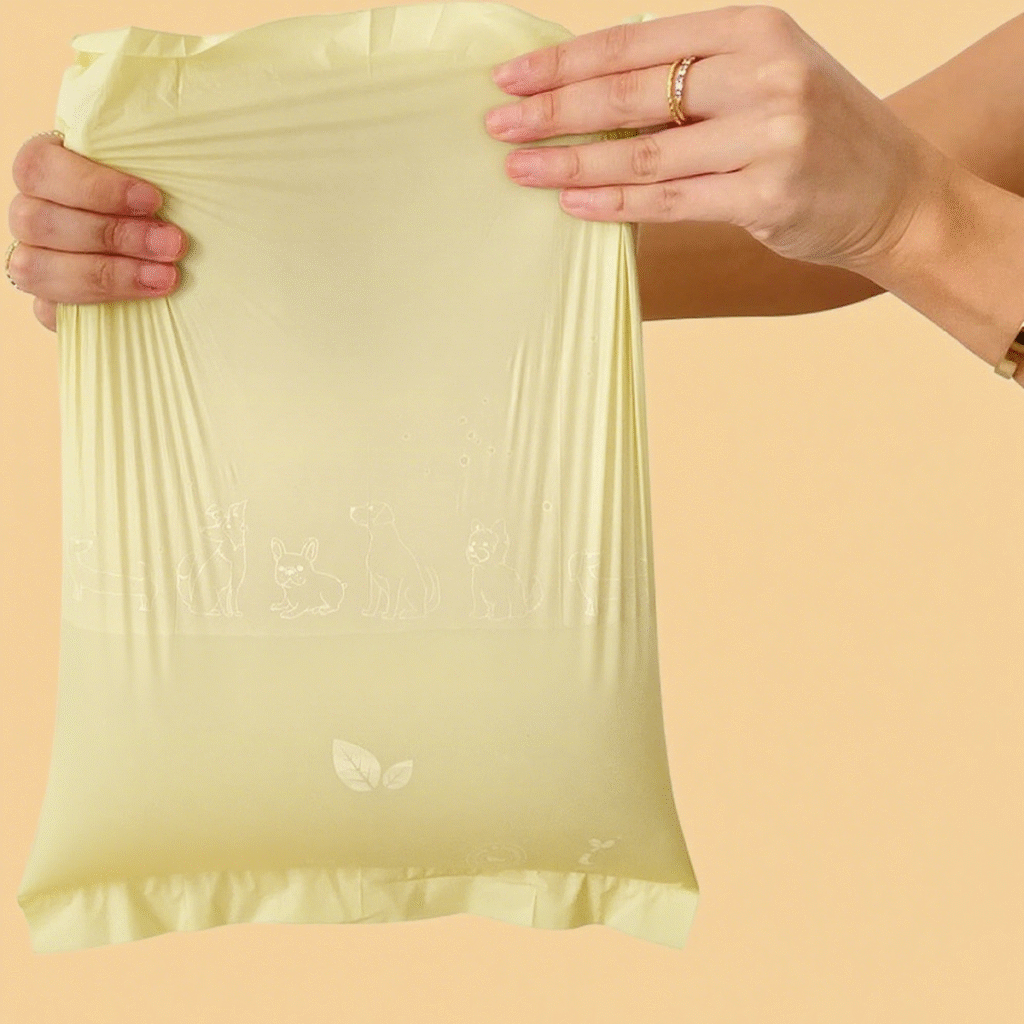
- Reduced Plastic Pollution: Breaks down naturally without leaving microplastics.
- Renewable Materials: PLA-based bags use plant-based resources.
- Soil Health: Composted bags turn into nutrient-rich biomass.
- Eco-Conscious Brand Support: Encourages companies to prioritize sustainability.
The Future of Pet Waste Management
Innovations in biodegradable materials continue to evolve, with new options like algae-based polymers and marine-degradable bags entering the market. As consumers, supporting these advancements drives further change toward a circular economy.
Conclusion: Make the Switch Today
Switching to certified biodegradable pet waste bags is a simple yet impactful step toward reducing your pet’s carbon pawprint. By choosing products made from PLA, PBAT, or blends—and disposing of them responsibly—you can help protect the planet for future generations.
Love your pet? Love the planet? Choose biodegradable!