Industry insights
Regulatory updates, material science, and market intelligence for biodegradable packaging professionals
 2026-05-08
Home vs Industrial Composting: A Complete Guide to Certified Compostable Packaging
A compostable logo on your package does not mean that package belongs in every compost bin. That is the mistake that burns time, budget, and credibility for B2B buyers. Home compostabl
 2026-05-06
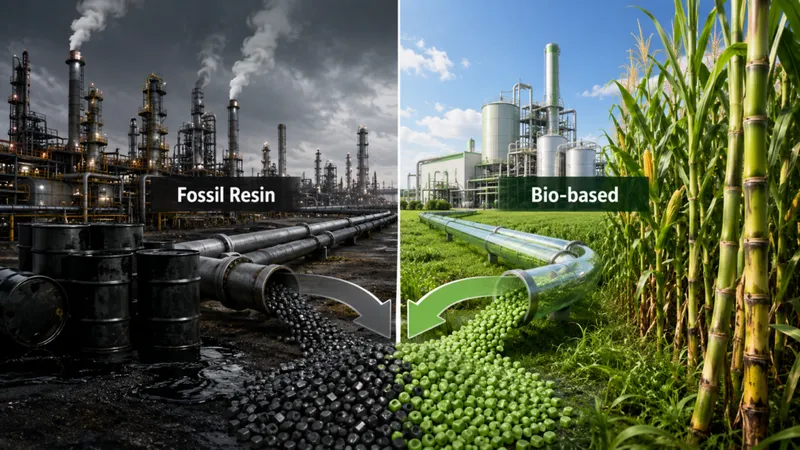
Compostable vs. Conventional Plastic: Debunking the Performance Myth
Real‑world packaging decisions shouldn’t be based on labels. They should be based on materials science, certified standards, and honest end‑of‑life realities. The Hook: Why Your “Eco” Packagin
 2026-04-29
Lifecycle Cost Optimization – Lower TCO for Compostable Packaging
Why Upfront Price Doesn’t Tell the Full Story For years, the packaging industry has accepted a simple equation: biodegradable plastic costs more than conventional plastic. That equation, however, is
 2026-04-17
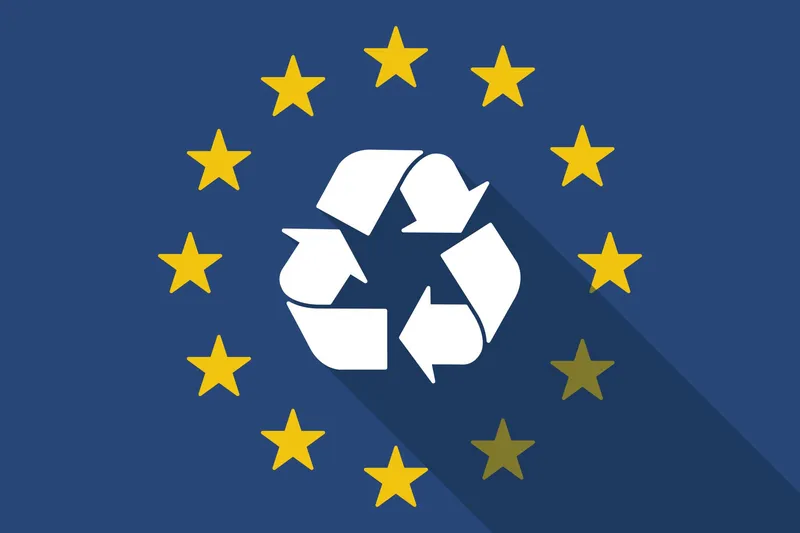
PPWR Compliance 2026: EN13432, ASTM D6400 & EPR Guide
The era of voluntary green claims is over. 2026 marks the year when compostable packaging compliance becomes a legal and commercial necessity – not an option. Introduction: The Compliance Tipping Po
 2026-04-11
How to Avoid Greenwashing
When a Climate Advocate Sounds the Alarm Al Gore knows what genuine climate action looks like. That’s precisely why his warning about greenwashing carries such weight. In a 2021 interview with Fort
 2026-03-23
Dog and Cat Poop: Should You Flush It Down the Toilet?
As a responsible pet parent, you want to do the right thing when cleaning up after your furry family members. The question often comes up: Is it okay to flush dog poop or cat poop down the toilet?
 2026-03-05
2026 Biodegradable Pet Waste Bag Certification Guidelines
2026 is a pivotal year for reshaping the regulatory landscape of the global biodegradable materials industry. From the formal implementation of China's new regulations on traceability of bio-based co
 2026-03-05
2026 Best Compostable Biodegradable Pet Bag Buying Guide
In 2026, with the official implementation of the national standard GB/T 46256-2025 "Requirements for Bio-based Content and Traceability Labeling of Bio-based Materials and Products" on March 1st, bio
 2026-01-27
What do biodegradable and compostable mean?
In today's market environment where environmental awareness is increasingly strong, "biodegradable" and "compostable" have become the most common environmental labels in product packaging and daily n
 2026-01-19
Which is better, roll-type or flat-pack biodegradable bags?
With the increasing market penetration of biodegradable bags, choosing the right packaging format has become a practical issue for consumers. Which is more environmentally friendly and meets usage ne
 2025-12-05
What is EN 13432 certification? What are its characteristics?
Against the backdrop of a global green transition, the standardization and certification of compostable packaging has become crucial for the healthy development of the industry. EN 13432, as a widely
 2025-12-05
What are some common types of compostable packaging?
Commonly used compostable packaging includes PLA/PBAT food containers, films, and paper cups in the food industry; plant fiber bottles, jars, and shopping bags in daily necessities; and bio-based bub
 2025-12-05
Do biodegradable plastics require special storage conditions?
Why are special storage conditions required? Biodegradable plastics PLA and PBAT are designed to decompose under specific conditions. While this characteristic contributes to environmental protect
 2025-12-03
Can compostable garbage bags decompose in landfills?
I. Industrial Composting: The Ideal Scenario for Compostable Bag Design 1. Industrial composting sites are professional composting facilities that provide the optimal decomposition environment for
 2025-12-01
How can biodegradable PBAT and PLA be recycled?
I. Industrial Composting: An Organic Cycle Back to Nature 1. Technical Principles In professional industrial composting facilities, by controlling temperature (55–65°C), humidity (50–60%), oxyg
 2025-12-01
Are PLA and PBAT harmful to human health?
Comprehensive Analysis of Scientific Data and Safety Guidelines for PLA and PBAT PLA (polylactic acid) and PBAT (polybutylene adipate/terephthalate), as preferred biodegradable raw materials, are
 2025-11-29
How are plant-based bags made? Is PLA the main raw material?
Plant-based bags, with their biodegradable and renewable properties, have become an important alternative to traditional plastics. But how are these seemingly simple eco-friendly bags meticulously ma
 2025-11-28
What is industrial composting? What is home composting?
Composting, as an effective method for treating organic waste, is gaining increasing attention. However, many people don't understand the concepts of "industrial composting" and "home composting," an
 2025-11-19
What is BPI certification? What are the BPI standards?
I. What is BPI? Why is BPI certification so important? BPI is North America's leading third-party verification body for ASTM standards in compostable products. It primarily promotes truly composta
 2025-11-18
What makes a pet bag that is certified to ASTM D6400 different?
Is ASTM D6400 certification truly a production standard? ASTM D6400 certification is not simply a production standard, but an eco-certification system. Independent testing has shown that each batc
 2025-09-19
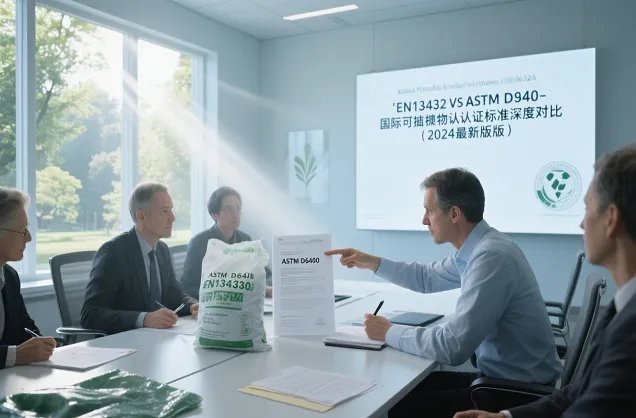
EN13432 vs ASTM D6400: In-depth Comparison of International Compostable Certification Standards
Why are certification standards so important? The global compostable plastics market is expected to reach $8.2 billion by 2024, but it’s alarming that more than 35% of products labeled as “compost
 2025-09-18
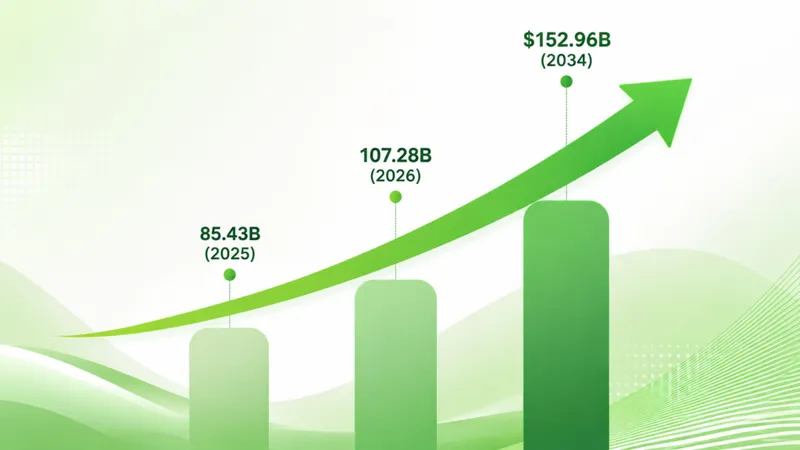
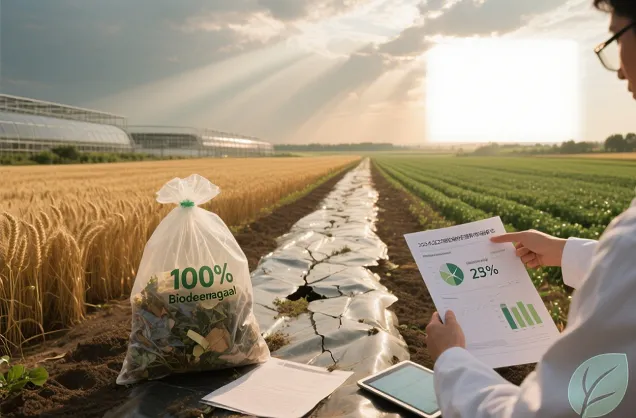
Global Biodegradable Plastics Market Report 2024: Key Analysis for Substitution Rate to Cross 25
2024 will be a key turning point in the development of biodegradable plastics. According to the latest market research data, the global biodegradable plastics market size is expected to reach 15.6 bi
 2025-09-18
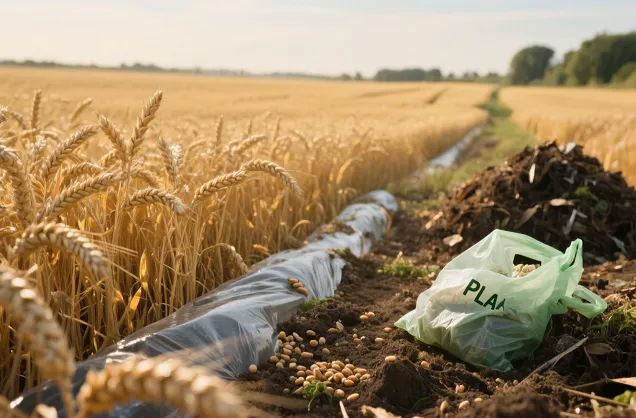
A 3-minute look at PLA/PBAT/PHA: which material is best for you?
The Three Difficulties in Selecting Biodegradable Materials In today’s environmentally conscious world, 68% of consumers are willing to pay a 10-15% premium for truly biodegradable product
 2025-09-18
PLA vs PBAT vs Corn Starch Degradation Conditions
PLA (polylactic acid), PBAT (polybutylene adipate/terephthalate) and corn starch, as the three major mainstream degradable materials, each have unique degradation characteristics and environmental re
 2025-09-12
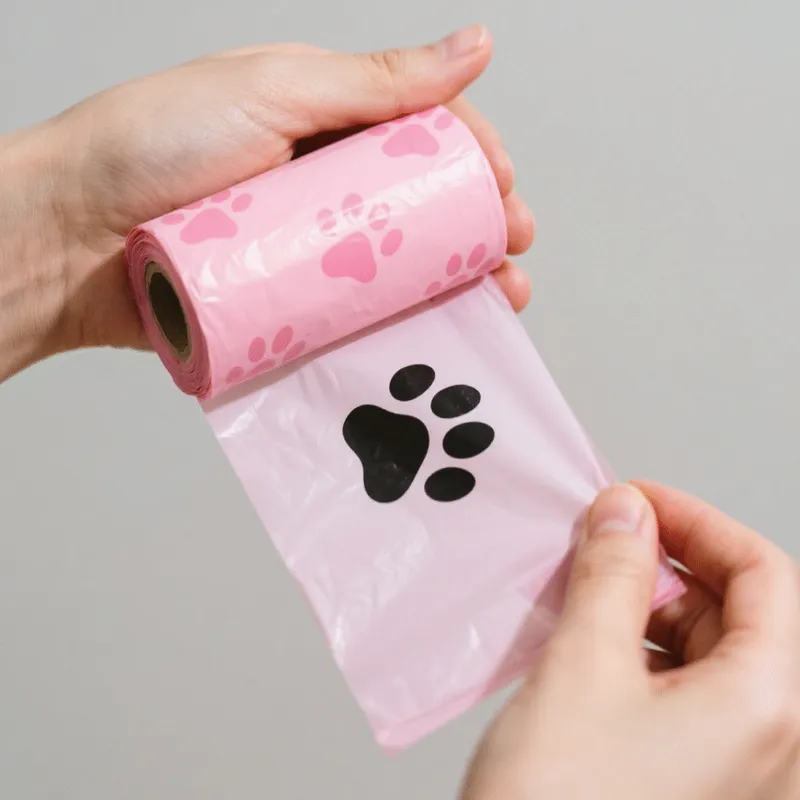
The Science Behind Biodegradable Pet Waste Bags: A Complete Guide
As climate change accelerates and plastic pollution worsens, environmentally conscious pet owners are seeking sustainable alternatives for managing pet waste. Biodegradable pet waste bags have emerge
 2025-09-10
PLA vs. PBAT Biodegradable Pet Waste Bags
As environmentally conscious pet owners seek sustainable alternatives to conventional plastic bags, two biodegradable materials have emerged as leading solutions: PLA(Polylactic Acid) and PBAT (Polyb
 2025-09-10
The Ultimate Guide to Biodegradable Pet Waste Bags
As environmental awareness continues to grow, pet owners worldwide are seeking eco-friendly alternatives to conventional plastic products. Biodegradable pet waste bags have emerged as an essential so