With the increasing popularity of home composting, more and more environmental enthusiasts are starting to try putting various “biodegradable” plastic products into compost bins. However, some are confusing oxidatively biodegradable plastics with truly compostable plastics. This article will explain the essential differences between the two and provide scientific treatment advice.
I. Understanding the True Characteristics of Oxidatively Biodegradable Plastics
Oxidatively biodegradable plastics are not environmentally friendly materials. They are traditional petroleum-based plastics (such as PE and PP) with added degradation accelerators. Through an oxidation reaction, the plastic physically breaks down into microplastics under light or heat. This decomposition is not biodegradation and does not convert into water and carbon dioxide; instead, it may cause more insidious microplastic pollution.
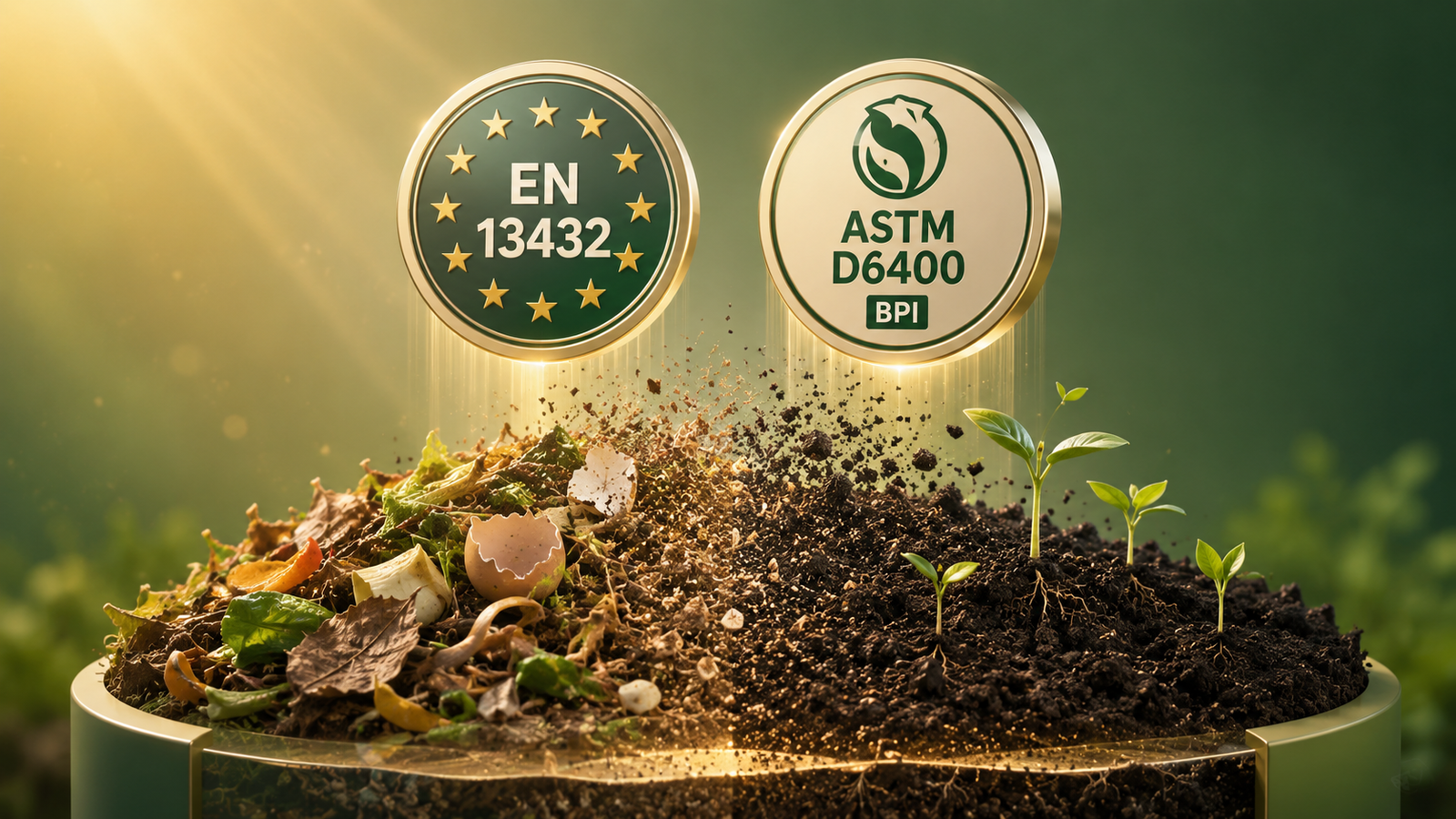
This material lacks biocompatibility and cannot be effectively decomposed by microorganisms. It typically does not have compostable certification labels such as ASTM D6400. Here are some key identification characteristics:
1. Oxidatively biodegradable plastics are typically traditional plastics such as PE and PP.
2. They are usually labeled “oxidatively degradable” or “oxidatively decomposable.”
3. These plastics do not have compostable certifications such as ASTM D6400 or EN13432.
4. Microplastic residues are produced after oxidative decomposition.
II. Limitations of Home Composting Systems Home composting systems have certain limitations.
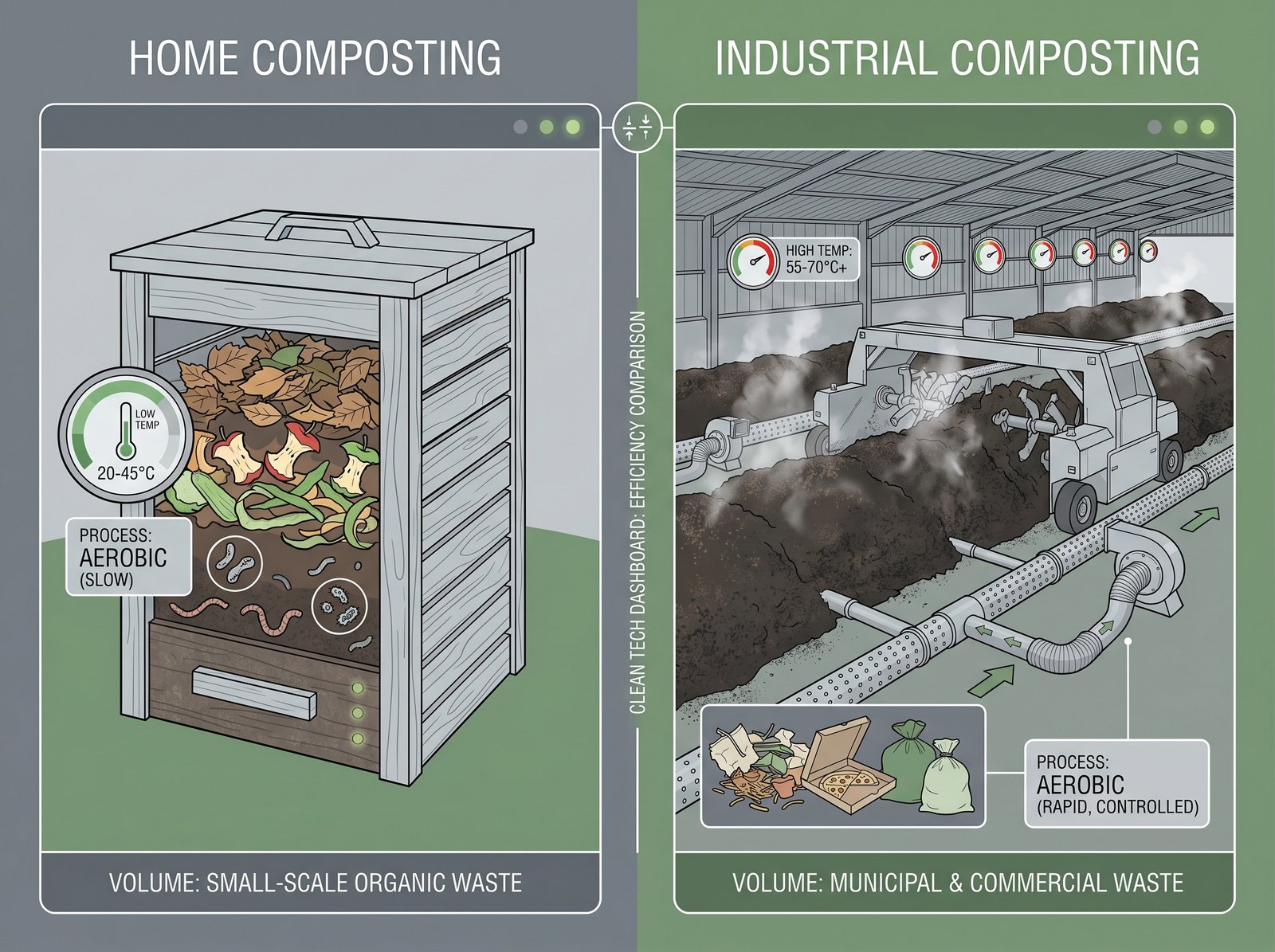
Their temperatures are usually difficult to reach the 58-60℃ high-temperature environment required for industrial composting, resulting in lower decomposition efficiency and longer cycles. Furthermore, the types and quantities of microorganisms within the system are limited, lacking specialized degradative strains, making it difficult to effectively decompose special materials.
Crucially, home composting cannot ensure the complete decomposition of oxidatively biodegradable plastics. Instead, the fragmentation can generate microplastic pollution, potentially releasing heavy metals from additives, ultimately leading to a decline in compost product quality and harming the soil ecosystem. Here are two limitations of home composting:
1. Insufficient Temperature: Home compost bins typically cannot reach the temperatures required for industrial composting (58-60℃), potentially leading to slower plastic decomposition and incomplete degradation, possibly resulting in harmful residues.
2. Differences in Microbial Environment: The limited variety and quantity of microorganisms in home composting result in a lack of specialized decomposition bacteria, leading to lower decomposition efficiency and difficulty in handling special materials.
III. Potential Risks of Home Compost Bins
Directly adding biodegradable plastics to home compost bins can pose several potential problems. Under natural conditions, these plastics will only decompose into physically fragmented microplastics, which cannot be effectively broken down by microorganisms. These microplastics will enter the soil with the compost, polluting the environment and affecting plant growth.
Chemical additives in plastics may leach harmful substances such as heavy metals, disrupting the balance of compost microorganisms and reducing compost quality. The home composting environment also struggles to reach industrial-grade high temperatures, making it impossible to ensure complete material degradation, ultimately resulting in harmful residues in the compost products. It is recommended to choose compostable products labeled with home composting certification and to be aware of the following potential problems:
1. Microplastic contamination of the soil. Oxidative degradable plastics under home composting conditions:
(1) Break into microplastics invisible to the naked eye
(2) Enter the soil ecosystem through composting
(3) May be absorbed by plants and enter the food chain
2. Risk of heavy metal pollution. Some additives may contain heavy metal components:
(1) Gradually released during composting
(2) Affecting the quality of compost products
(3) Harming plant growth
3. Disruption of the composting system balance.
(1) Changing the carbon-nitrogen ratio of compost
(2) Affecting microbial activity
(3) Reducing composting efficiency
IV. Scientific treatment method guidelines
Home composting bins are a way to compost some household waste. Easily degradable materials such as fruit and vegetable scraps, kitchen waste, tea and coffee grounds, fallen leaves and weeds should be scientifically added. Avoid adding oxidative degradable plastics, oils, and meats. Appropriate humidity and regular turning and ventilation are necessary, with the ideal temperature maintained at 40-60℃. Choosing a sealed compost bin with a filter can prevent insects and odors. It is recommended to cover each layer of material with a thin layer of soil to accelerate decomposition. Under normal conditions, high-quality compost rich in humus can be obtained in 3-6 months. 
1. Proper Classification and Disposal
(1) Treat as other waste
(2) Avoid mixing with compostable waste
(3) Dispose of separately after packaging
2. Choosing Alternatives
(1) Compostable bags certified by ASTM D6400
(2) Products marked with the OK compost HOME logo
(3) BPI-certified home composting bags
V. Methods for Identifying Genuine Compostable Plastics
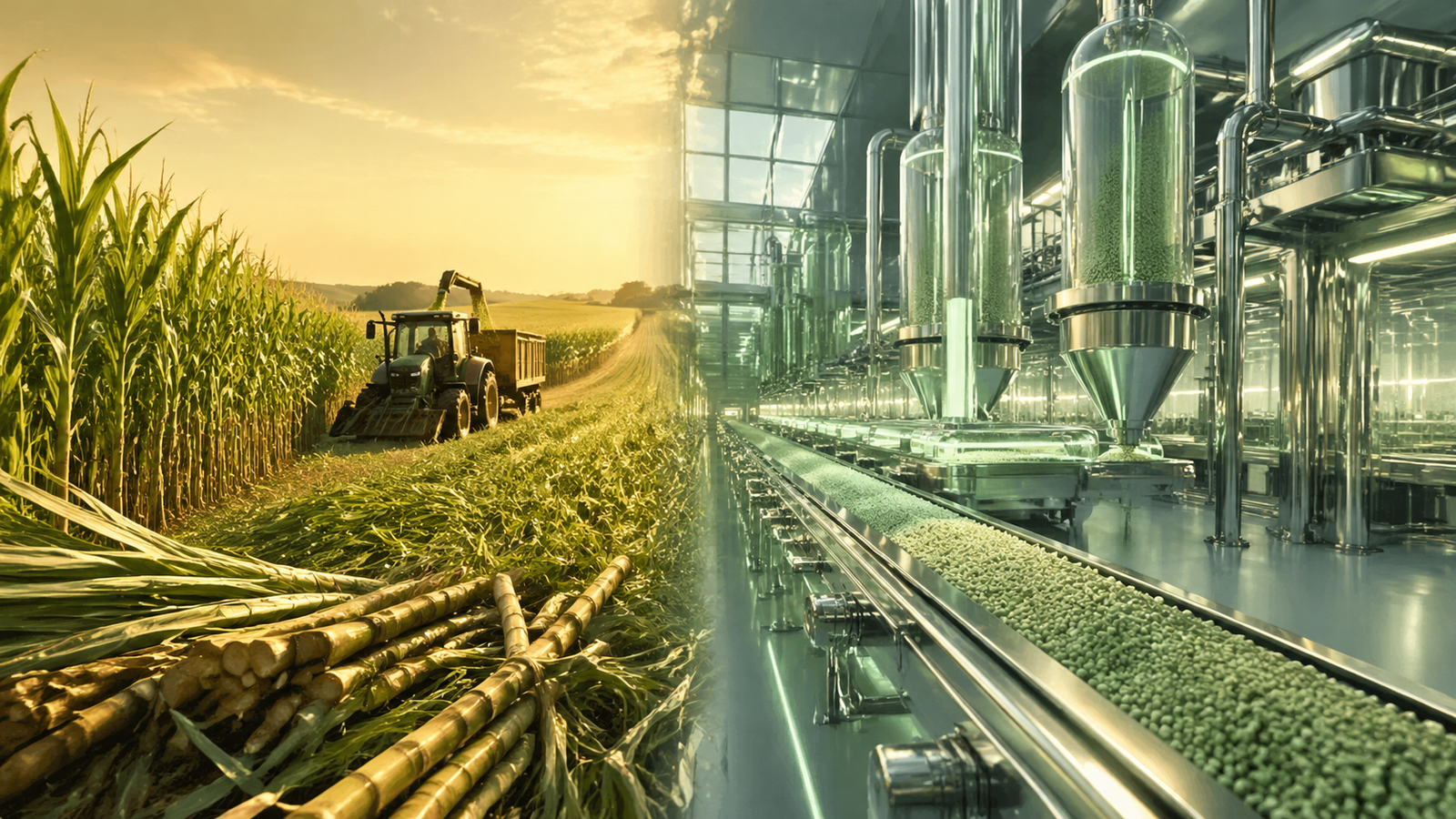
Genuine compostable plastics all have authoritative certification marks. The commonly used international OK compost INDUSTRIAL (industrial compost) and OK compost HOME (home compost) certifications are the most reliable criteria. Furthermore, compostable plastic products should primarily consist of bio-based materials such as PLA and PBAT, and clearly indicate the applicable scenarios. When purchasing, carefully check the packaging instructions to ensure they provide complete composting guidance, avoiding the misuse of pseudo-environmentally friendly products such as “oxidatively degradable” products in the composting system.
VI. Conclusion: Guiding Environmental Practices with Scientific Understanding
On the road to environmental protection, we need to use professional knowledge to distinguish between genuine and fake products. Oxidizable biodegradable plastics are not true composting materials; blindly adding them to home compost bins will only cause microplastic pollution. Please be sure to choose compostable products certified by authoritative organizations and dispose of them correctly according to the instructions. Let us replace blind obedience with science, practice environmental protection rationally, and jointly safeguard soil health and ecological security.