 As a responsible pet parent, you want to do the right thing when cleaning up after your furry family members. The question often comes up: Is it okay to flush dog poop or cat poop down the toilet?
At first glance, flushing seems like a clean, convenient solution—out of sight, out of mind. But before you scoop that waste into the bowl, let’s take a closer look at what veterinarians, wastewater experts, and environmental scientists have to say.
The Short Answer: No, You Shouldn’t Flush Pet Waste
While it might feel like the sanitary choice, flushing pet waste down the toilet is not recommended by most wastewater treatment authorities, veterinary professionals, and environmental agencies. In fact, major water utilities across the UK and other countries explicitly advise against it.
But why? Let’s break down the science.
What’s Actually in Pet Waste?
Your pet’s poop contains more than just digested food. It can harbor a variety of pathogens that pose risks to human health, and importantly, some of these organisms are not effectively removed or killed by standard wastewater treatment processes.
Bacteria and Parasites Commonly Found in Pet Feces
| Pathogen Type | Examples | Health Risk |
| Bacteria | Campylobacter, Salmonella | Acute gastroenteritis, diarrhea, fever |
| Antibiotic-resistant bacteria | Resistant Enterococci | Potential transfer of resistance genes to human gut bacteria |
| Parasites | Giardia, Cryptosporidium | Intestinal illness, particularly dangerous for immunocompromised individuals |
| The biggest concern | Toxocara (roundworms) | Visceral and ocular larva migrans; can cause blindness, organ damage, and developmental issues in children |
 The Toxocara Problem
 The Toxocara Problem
Unlike the Toxoplasma we discussed earlier (which is easily killed by heat), Toxocara eggs are extraordinarily resilient. These microscopic eggs have a tough, protective shell that allows them to survive:
- High temperatures in wastewater treatment digesters
- Chemical disinfectants like chlorine
- In soil for years
When flushed, these eggs can pass through municipal sewage treatment plants largely intact and end up in waterways, agricultural land fertilized with sewage sludge, or coastal areas. If a child accidentally ingests contaminated soil—from playing in a park or garden—it can lead to serious health consequences.
What About Cat Waste and Toxoplasma?
Cat owners face an additional concern. Cats are the definitive host for Toxoplasma gondii. When an infected cat sheds oocysts (the environmental stage of the parasite) in their feces, those oocysts can survive in cold water for months. While they are heat-sensitive and killed by proper composting or incineration, standard wastewater treatment doesn’t always eliminate them.
If these oocysts end up in waterways, they can infect marine mammals (sea otters are particularly vulnerable) and potentially contaminate shellfish beds.
The Wastewater Treatment Reality
Modern sewage treatment plants are engineering marvels, but they weren’t designed to handle the unique challenges of pet waste.
What Treatment Plants Can Do:
- Remove solids through settling
- Use bacteria to break down organic matter
- Apply disinfection (typically UV or chlorine)
What They Can’t Reliably Do:
- Kill resilient parasite eggs like Toxocara
- Remove all antibiotic-resistant bacteria and their genes
- Filter out the chemical residues from cat litter or cleaning products
Many water utilities operate under a simple principle: the sewer system is designed for “3Ps”—pee, poo (human), and paper (toilet paper). Anything else risks overwhelming the system or introducing contaminants that current treatment methods can’t fully address.
But What About Biodegradable Cat Litter?
Some pet owners wonder if flushing biodegradable or “flushable” cat litter is the solution. The short answer: still no.
Even if the litter itself breaks down, the pathogens in the waste remain. Moreover, many types of cat litter—including clay, crystal, and even some plant-based litters—can expand or clump when wet, leading to serious plumbing blockages. Municipal water utilities consistently advise against flushing any type of cat litter.
The Hidden Risk: Toilet Plumes
Here’s something most pet owners don’t consider: flushing creates an aerosol plume. When you flush, microscopic droplets containing bacteria and pathogens can become airborne and settle on surfaces like toilet seats, countertops, and even toothbrushes. While this is a concern any flush, introducing pet-specific pathogens adds another layer of risk.
So What’s the Best Way to Dispose of Pet Waste?
After reviewing the science and consulting expert recommendations, the consensus is clear: the safest and most environmentally responsible method is to use a sealed, biodegradable pet waste bag and dispose of it in the trash.
Why This Method Wins:
- Physical Isolation: Sealing waste in a bag prevents pathogens from contaminating soil, water, and public spaces during collection and transport.
- Effective Pathogen Elimination: Landfills are designed to contain waste, and high-temperature incineration facilities (used in many regions) completely destroy pathogens that wastewater treatment might miss.
- No Plumbing Risk: You’ll never have to worry about a costly sewer backup from clumping litter or hair.
- Universal Applicability: This method works whether you live in a city apartment, suburban home, or rural area.
Choosing the Right Bag: Why Biodegradable Matters
Not all waste bags are created equal. When you choose a biodegradable pet waste bag, you’re making a choice that aligns with both environmental responsibility and public health.
Conventional plastic bags can persist in the environment for centuries. While the contents of a sealed bag eventually break down in a landfill, the plastic shell remains. Biodegradable bags offer two key advantages:
- Reduced Long-Term Pollution: They break down significantly faster than traditional plastics.
- Better Alignment with Waste Management: Many municipal waste systems are moving toward more sustainable practices; biodegradable bags fit this future.
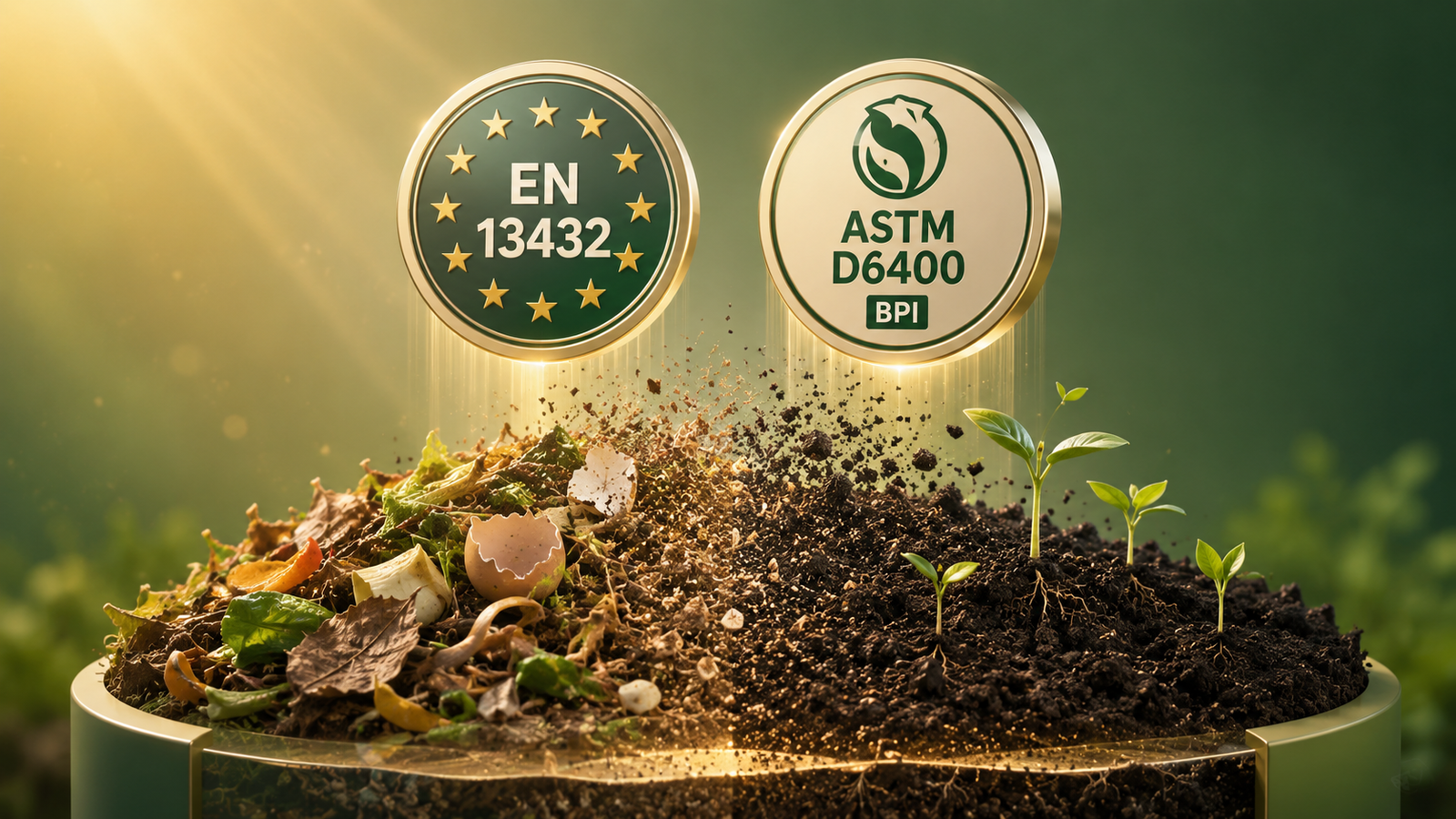
Important Note: Look for bags certified to meet established biodegradability standards. Not all “biodegradable” claims are equal—certified products ensure that the material will actually break down under real-world disposal conditions.
What About Composting Pet Waste?
Some environmentally conscious owners ask about composting. We don’t recommend composting pet waste at home.
Home composting systems rarely reach the sustained high temperatures needed to kill Toxocara eggs and other resilient pathogens. Using compost containing pet waste on vegetable gardens or ornamental plants poses a contamination risk. If you’re interested in composting, research municipal programs specifically designed for pet waste—these use controlled, high-temperature processes that achieve safe pathogen reduction.
The Bottom Line
lushing pet waste may seem like the “out of sight, out of mind” solution, but it simply shifts the problem from your home to the broader environment and water system. The pathogens in dog and cat feces—especially resilient parasites like Toxocara—can survive treatment processes and potentially impact public health.
The responsible choice is simple:
- Scoop waste promptly
- Seal it in a high-quality biodegradable waste bag
- Dispose in your regular trash bin
This approach protects your family, your community, and the environment. It’s a small habit that makes a meaningful difference.
Looking for reliable waste bags that won’t let you down? [Browse our collection of certified biodegradable pet waste bags →]