Why compostable plastics don’t decompose – 3 minutes to spot the ‘pseudo-degradable’ trap
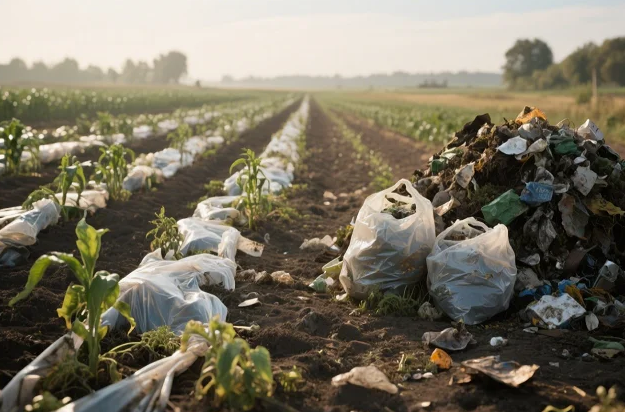
he “eco-friendly plastic” you buy may be deceiving you In recent years, compostable plastic has been promoted as the “ultimate solution” to white pollution. However, many consumers are finding that the “biodegradable” bags or packaging they purchase do not decompose in the composting environment for months, and even leave microplastics behind. In 2024, the international […]
Top 10 disruptive biodegradable materials in 2025: PHA, nanocellulose may replace PLA?
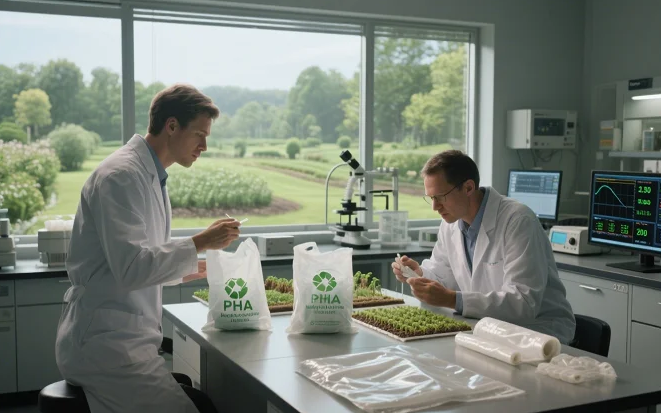
Revolutionary Iterations of Biodegradable Materials As the global plastic ban escalates, the limitations of traditional PLA (Polylactic Acid) are becoming apparent – reliance on industrial composting, poor heat resistance, and high cost. 2024 has seen a number of alternatives emerge in the field of new materials with better performance and more complete degradation. Based on […]
Home Composting: 90% Less Waste with 3 Special Bags
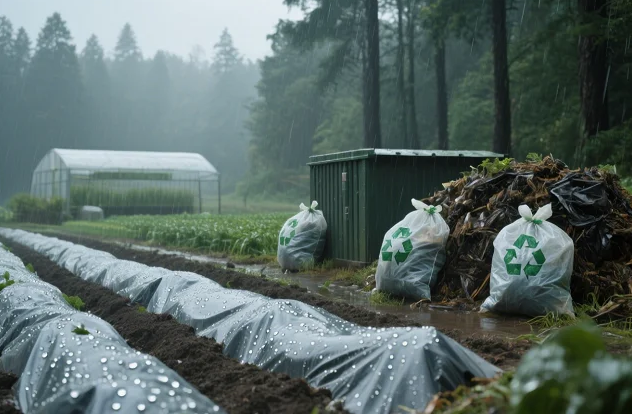
Why is home composting so important? According to the U.S. Environmental Protection Agency (EPA), food waste accounts for 24 percent of municipal solid waste, much of which ends up in landfills, producing large amounts of methane – a greenhouse gas 25 times more potent than carbon dioxide. Home composting not only reduces the amount of […]
eco-friendly food waste by 80% in 3 months with compostable bags?
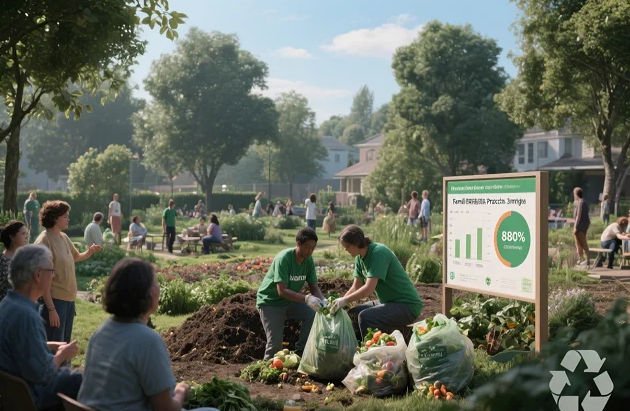
In today’s increasingly environmentally conscious world, more and more households are looking for ways to reduce their carbon footprint. Food waste, as a major component of municipal solid waste, accounts for about 30-40% of total waste, which not only takes up a lot of landfill space, but also produces methane, a potent greenhouse gas. 1, […]
Cornstarch content of 50% still transparent?
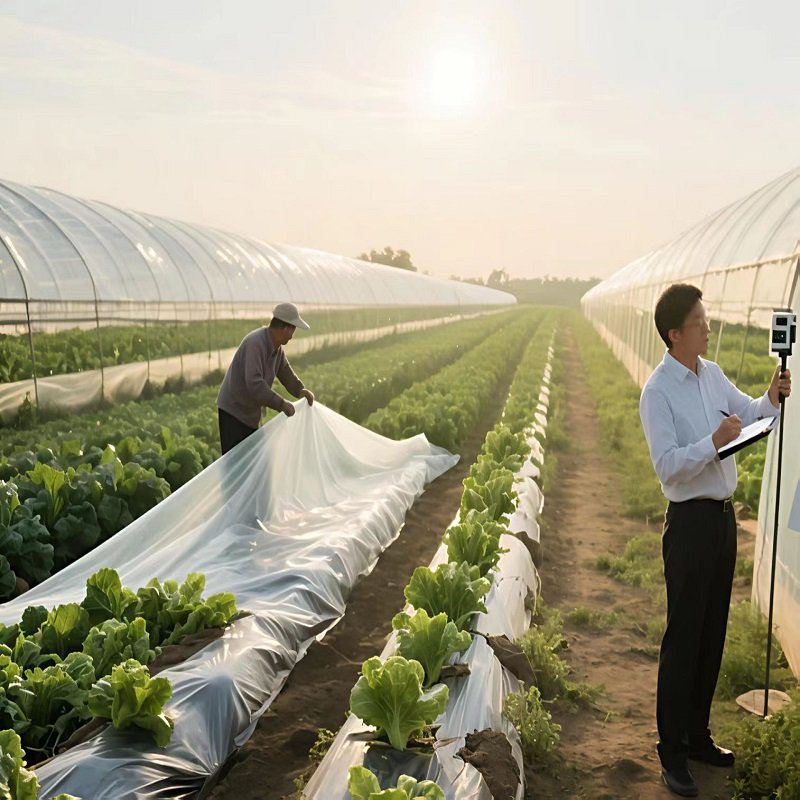
In the field of environmentally friendly packaging materials, a major technological breakthrough is rewriting the rules of the industry – the newly developed starch-based film has achieved an astonishing 92% light transmittance, almost comparable to traditional PET plastic film, while maintaining 50% corn starch content. How was this seemingly impossible combination achieved? I. The core […]
Can PLA biodegradable film withstand exceeding 120°C?
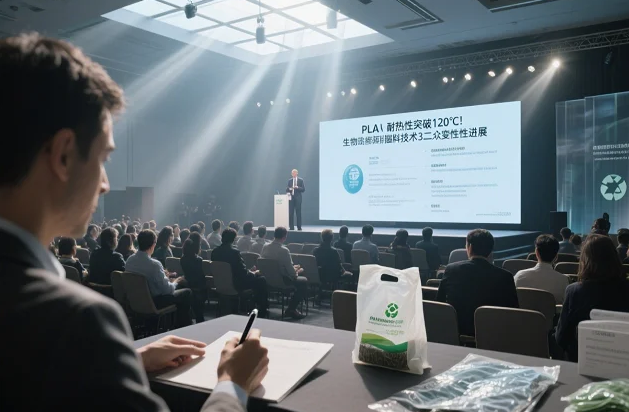
The year 2024 brings great news to the materials science community – Corbion, the world’s leading bioplastics company, has successfully developed a fourth-generation PLA (polylactic acid) material that is heat-resistant up to 120 degrees Celsius, breaking through the technological bottleneck in high-temperature application scenarios for biodegradable films. This milestone progress enables PLA films to replace […]
How PBAT modification technology can solve marine pollution?
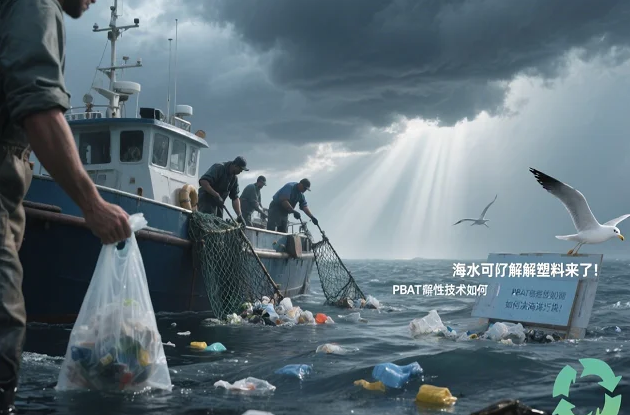
About 8 million tons of plastic waste flows into the ocean every year, and traditional polyethylene (PE) plastics take more than 400 years to decompose in the marine environment. This grim reality is being changed by an innovative technology – the birth of modified PBAT (polybutylene adipate/terephthalate) seawater degradable plastics. I. Breakthroughs in PBAT marine […]
PLA vs PBAT vs Corn Starch Degradation Conditions
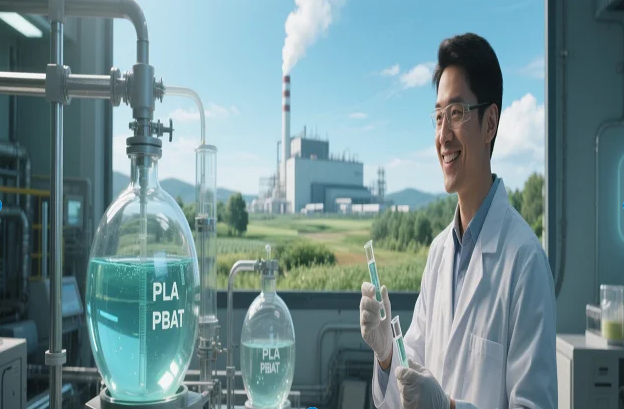
PLA (polylactic acid), PBAT (polybutylene adipate/terephthalate) and corn starch, as the three major mainstream degradable materials, each have unique degradation characteristics and environmental requirements. I.PLA degradation conditions and mechanisms Industrial composting environment (optimal conditions) PLA performs best in an ideal industrial composting facility, which needs to meet the following stringent conditions: – Temperature range: 58-70°C […]
How to Pick a True Biodegradable Plastic Bag?
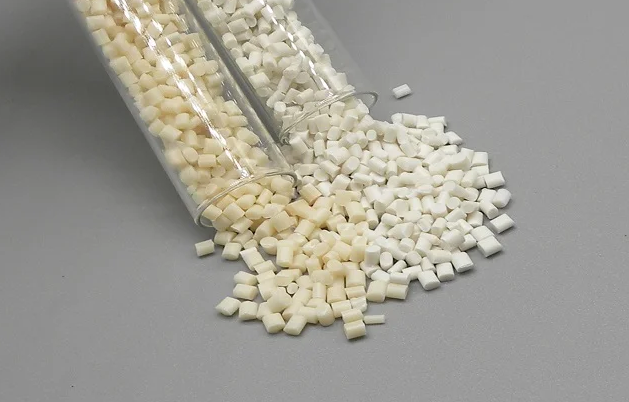
In the fight against plastic pollution and in an effort to find sustainable alternatives, many consumers have begun using “biodegradable plastic bags”. However, the market is flooded with many products that do not live up to their name. In order to make sure you’re making a truly eco-friendly choice, it’s crucial to know how to […]
90% of “degradable plastics” still polluting the environment?
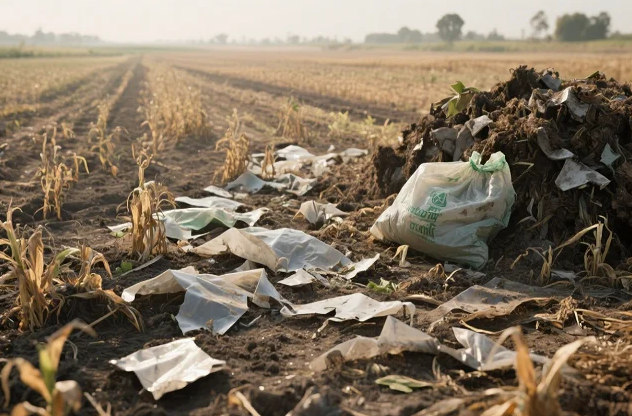
The growing problem of plastic pollution in recent years has prompted the widespread use of “degradable plastics” as a potential solution. Surprisingly, however, about 90% of these so-called “degradable plastics” are still causing environmental pollution. The root cause lies in certification standards. 1. Definition and classification of degradable plastics Degradable plastics break down into smaller […]