As environmentally conscious pet owners seek sustainable alternatives to conventional plastic bags, two biodegradable materials have emerged as leading solutions: PLA(Polylactic Acid) and PBAT (Polybutylene Adipate Terephthalate). But what exactly are these materials, and how do they compare in performance and environmental impact? This guide breaks down the science behind these innovative biopolymers to help you make an informed choice.
Understanding the Materials: Science Made Simple
PLA (Polylactic Acid):
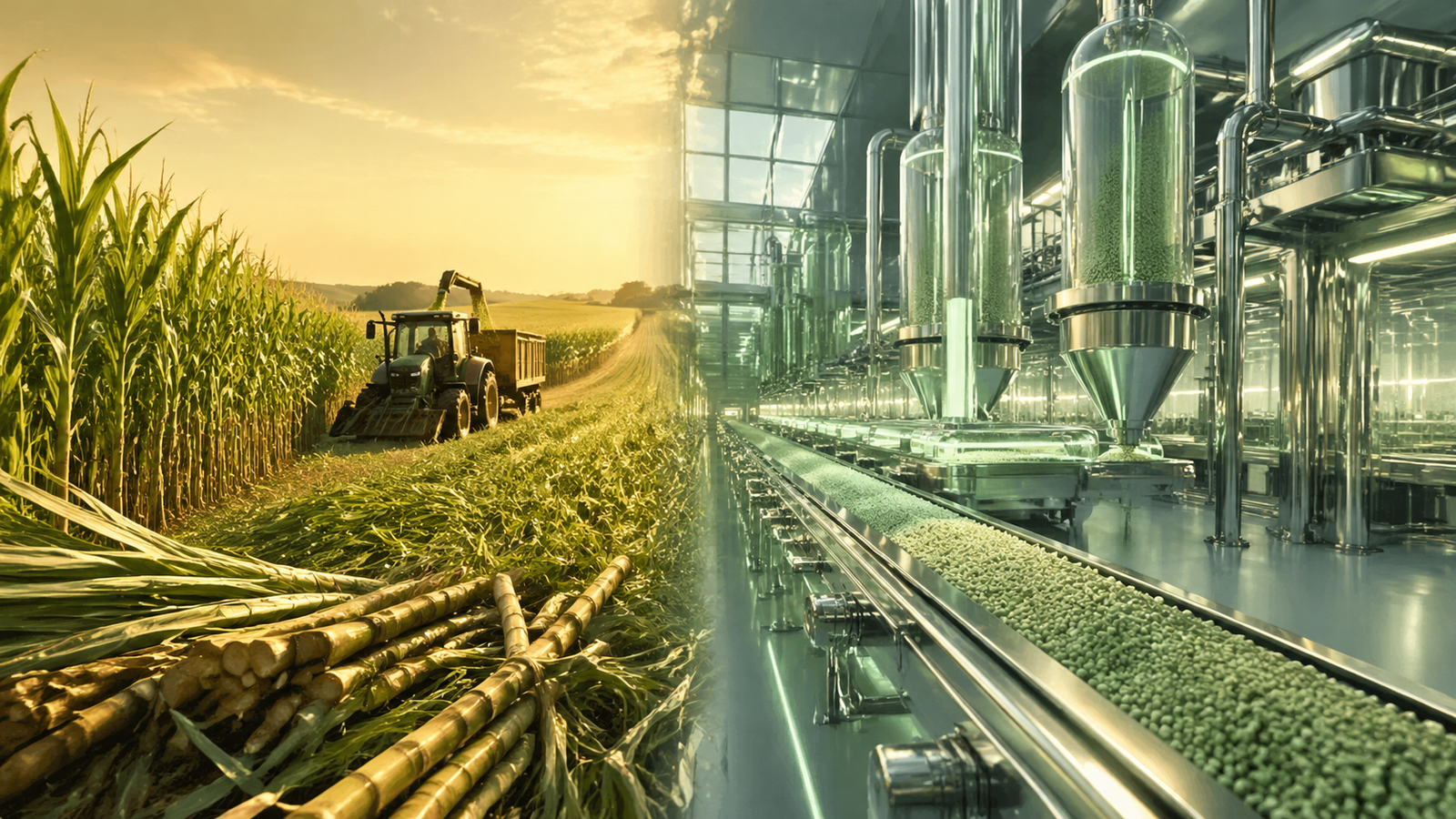
Derived from renewable resources like corn starch, sugarcane, or cassava
Produced through fermentation of plant sugars into lactic acid
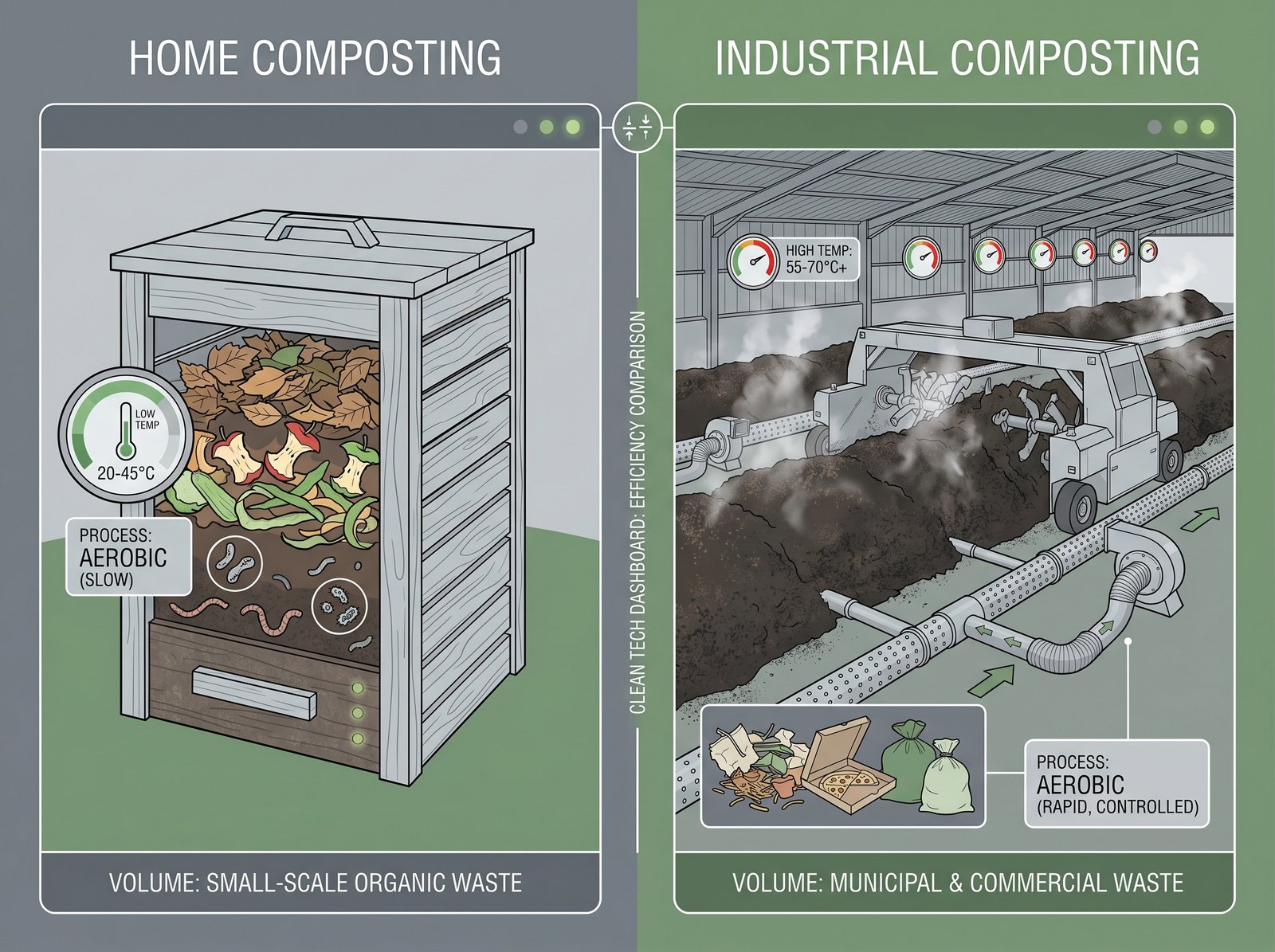
Requires industrial composting conditions for optimal breakdown
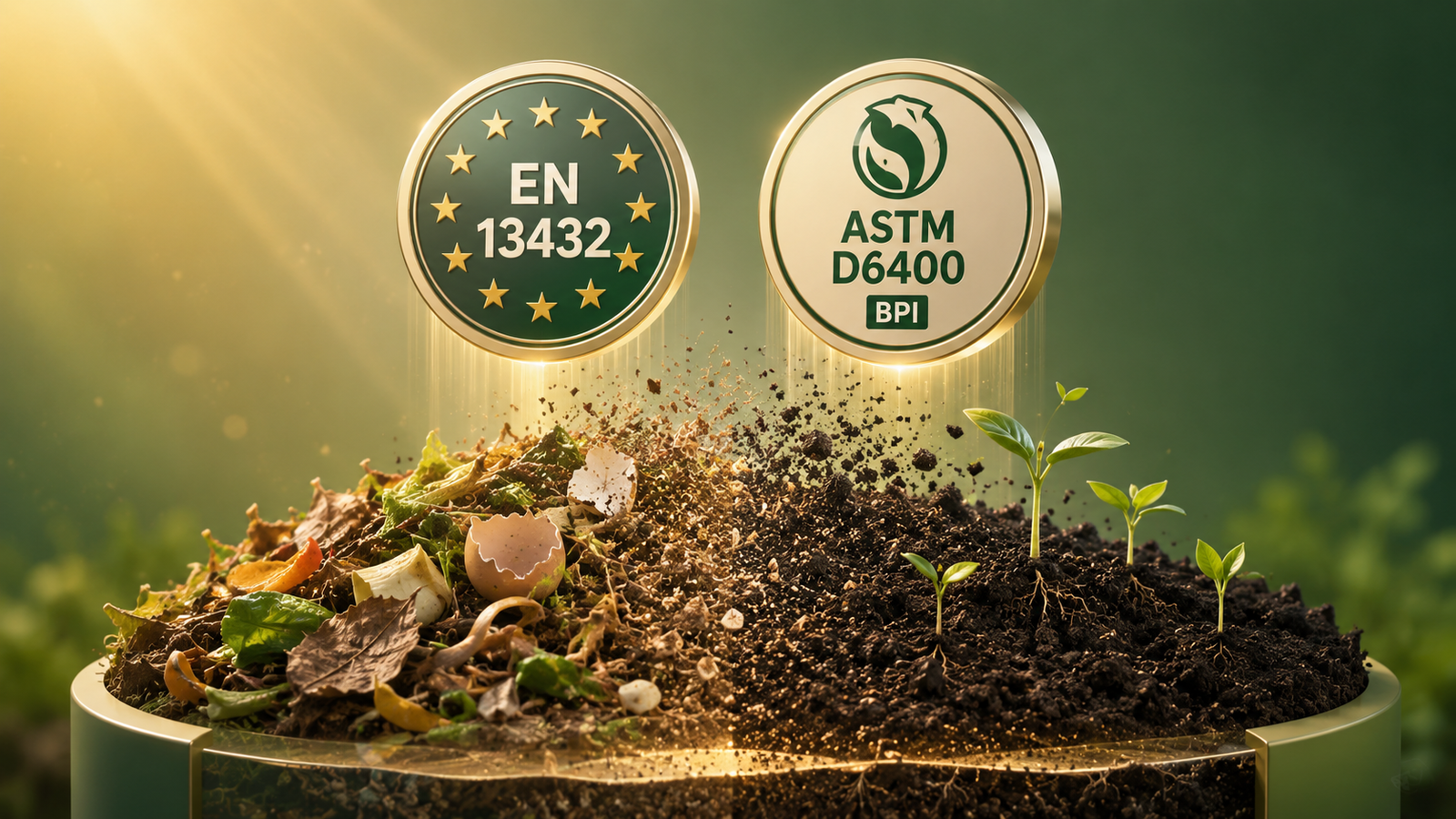
Certified compostable under ASTM D6400 and EN 13432 standards
Carbon-neutral lifecycle when properly composted
PBAT (Polybutylene Adipate Terephthalate):
Biodegradable polyester made from petroleum-based materials
Designed to break down efficiently in various environments
Exhibits flexibility and durability similar to conventional plastic
Compostable in home and industrial settings
Excellent tear resistance and mechanical strength
Key Differences: Performance and Decomposition
Decomposition Timeline:
PLA bags: Require 50-60°C temperatures (industrial composting)
PBAT bags: Breakdown in 30-45 days under ideal conditions
Home composting: PBAT performs better than PLA
Material Properties:
PLA: More rigid structure, clearer transparency
PBAT: Higher flexibility, better impact resistance
Blended options: Many brands combine both materials
Environmental Impact Comparison
PLA Advantages:
100% bio-based from renewable resources
Lower carbon footprint in production
Non-toxic decomposition products
Sustainable agriculture support
PBAT Benefits:
Faster decomposition in various environments
Better performance in cooler conditions
Superior flexibility and tear resistance
Wider range of composting applications
Certification and Standards
Both materials can achieve:
ASTM D6400 (Industrial Composting Standard)
EN 13432 (European Compostability Norm)
BPI Certification (Biodegradable Products Institute)
OK Compost HOME (Home Composting Certification)
Practical Considerations for Pet Owners
Storage and Handling:
Store in cool, dry conditions away from sunlight
Use within 12 months of purchase for optimal performance
Avoid high temperatures that might initiate premature degradation
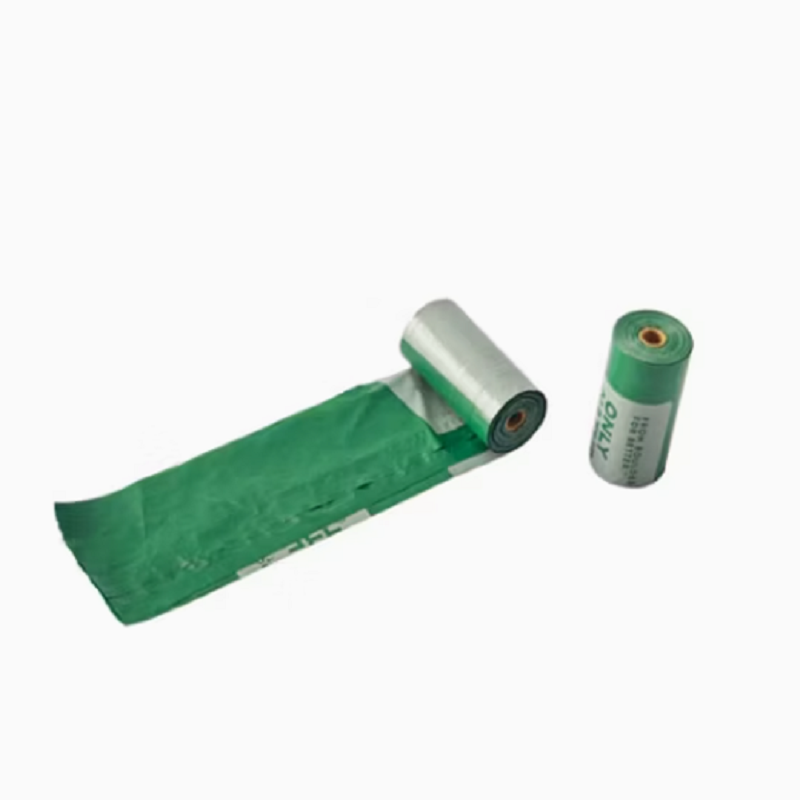
Disposal Guidelines:
Check local composting facilities for PLA acceptance
Home composting suitable for PBAT and blended bags
Municipal organic waste programs often accept both types
Performance in Real-World Conditions
Weather Resistance:
PBAT maintains flexibility in cold weather
PLA may become brittle below 10°C
Both materials resist common precipitation
Durability and Reliability:
PBAT offers superior tear resistance
PLA provides excellent load-bearing capacity
Blended formulations combine the best of both
Making the Right Choice
Choose PLA If:
You have access to industrial composting
Renewable sourcing is your priority
You prefer stiffer, more transparent bags
Choose PBAT If:
Home composting is your main disposal method
You need superior flexibility and toughness
Faster decomposition is important
Consider Blended Options For:
Balanced performance characteristics
Enhanced compostability in various conditions
Optimized material properties
The Future of Biodegradable Pet Products
Innovation continues with:
Improved material blends for better performance
Enhanced decomposition in diverse environments
Carbon-negative production processes
Marine-degradable formulations in development
Conclusion: Both Materials Offer Valid Solutions
Whether choosing PLA-based bags for their renewable origins or PBAT options for their composting flexibility, both materials represent significant improvements over conventional plastics. The best choice depends on your specific needs, local infrastructure, and environmental priorities.