While biodegradable pet waste bags have gained significant attention, many pet owners overlook the broader environmental context of pet waste management. This article explores how these innovative products fit into the larger picture of sustainable pet ownership and environmental responsibility.
The Overlooked Impact of Pet Waste
Pet waste presents substantial environmental challenges beyond plastic pollution:
Nutrient pollution in waterways causing algal blooms
Pathogen contamination of soil and water sources
Methane emissions from decomposition in landfills
Chemical imbalances in ecosystems
How Biodegradable Bags Address Multiple Issues

Traditional Plastic Bags:
Preserve waste indefinitely in landfills
Prevent natural decomposition processes
Contribute to microplastic pollution
Require petroleum for production
Biodegradable Alternatives:
Enable natural breakdown processes
Reduce long-term landfill impact
Minimize microplastic contamination
Utilize renewable resources
The Science Behind Proper Decomposition
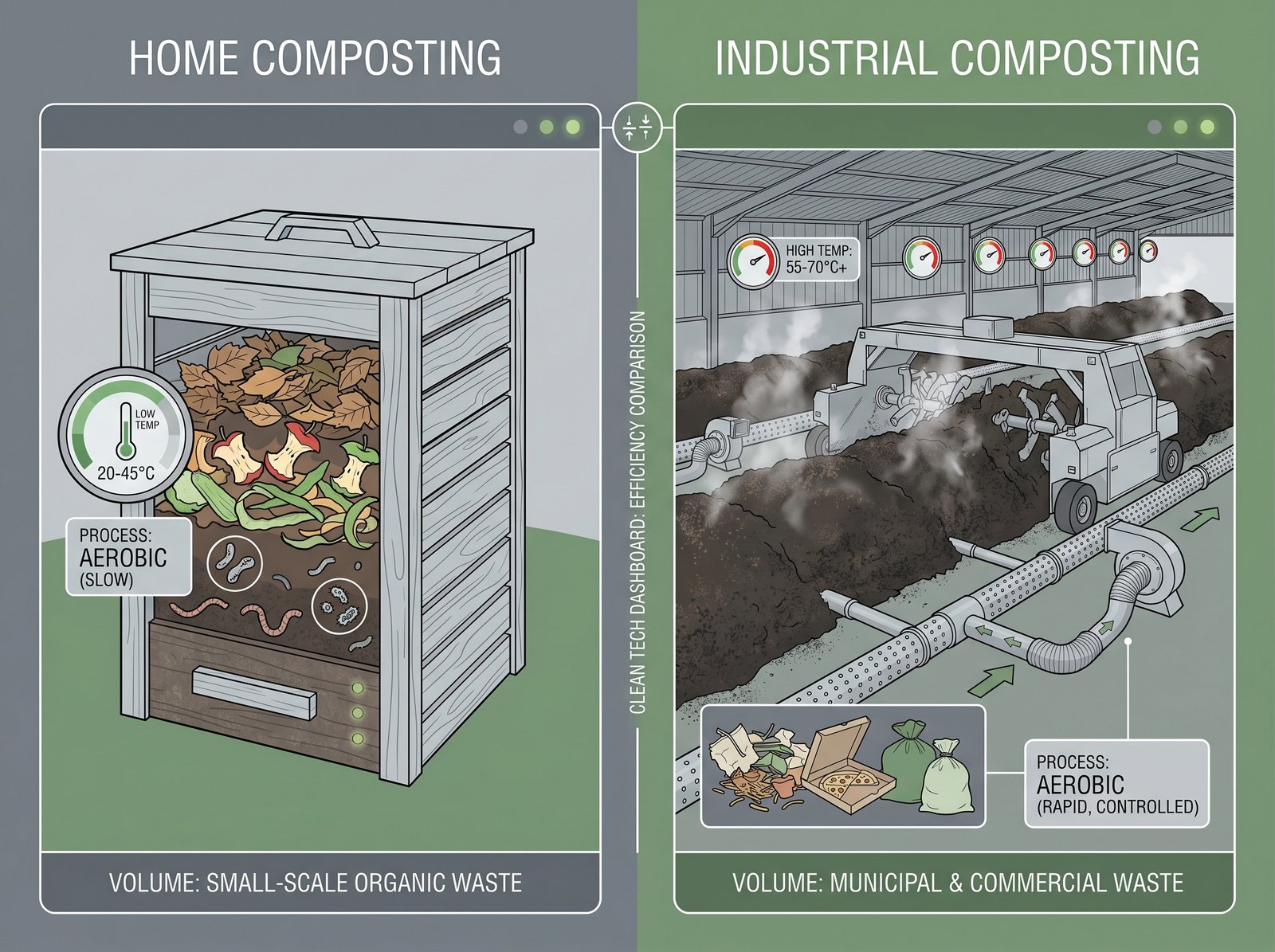
Ideal Conditions for Breakdown:
Temperature: 50-60°C for optimal microbial activity
Moisture: 50-60% humidity level requirement
Oxygen: Aerobic conditions essential for proper breakdown
Microbial activity: Natural bacteria and fungi drive decomposition
Beyond Bags: Comprehensive Waste Management
Complementary Sustainable Practices:
Composting systems designed for pet waste
Municipal organic waste programs acceptance
Water-friendly disposal methods
Education campaigns for pet owners
Urban Environmental Considerations
City-specific challenges:
High density of pet populations
Limited green space for proper disposal
Stormwater system contamination risks
Public health concerns from improper waste management
Innovative Solutions in Development
Emerging technologies:
Smart waste bins with sorting capabilities
Community composting initiatives
Biodegradable bag dispensing systems in parks
Educational programs for sustainable practices
The Role of Certification Programs
Importance of third-party verification:
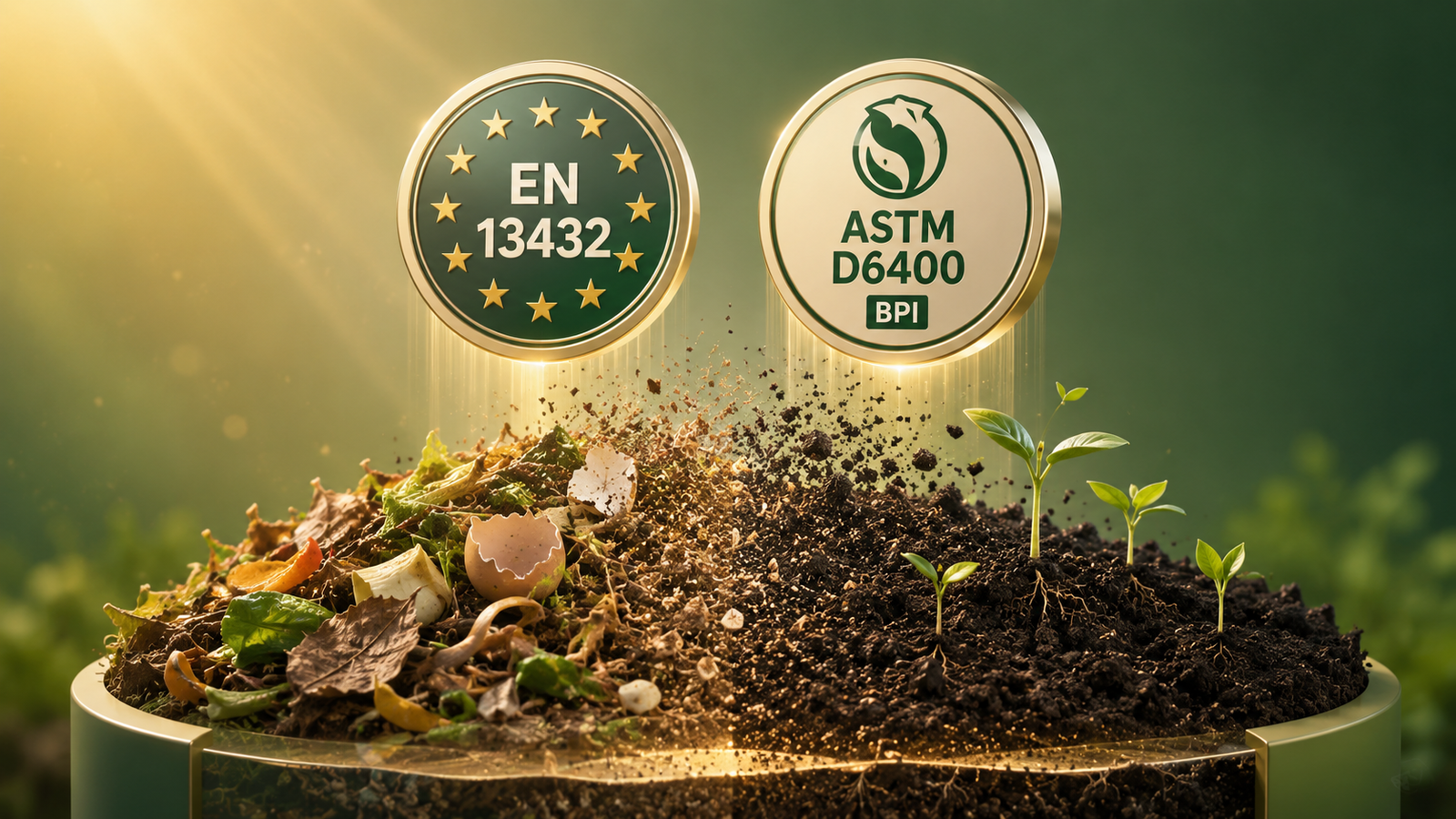
ASTM D6400 compliance testing
BPI certification standards
International compatibility requirements
Consumer confidence building
Practical Implementation Strategies
For individual pet owners:
Proper storage of biodegradable bags
Disposal method education
Local regulation awareness
Community engagement opportunities
For municipalities:
Waste infrastructure development
Public education campaigns
Policy development support
Partnership opportunities with manufacturers
The Bigger Environmental Picture

Connected sustainability issues:
Water conservation efforts
Soil health maintenance
Wildlife protection considerations
Climate impact reduction
Making Informed Choices
Key selection criteria:
Material composition transparency
Certification validity verification
Performance reliability assessment
Environmental impact considerations
Conclusion: A Holistic Approach to Pet Waste Management
Biodegradable pet waste bags represent just one piece of the sustainable pet ownership puzzle. While they address the plastic pollution aspect, complete environmental responsibility requires:
Comprehensive strategies:
Proper disposal practices education
Supporting infrastructure development
Community engagement initiatives
Continuous improvement mindset
Future directions:
Technology integration for better solutions
Policy development supporting sustainability
Consumer education expansion
Industry innovation encouragement