As pet owners become increasingly environmentally conscious, understanding the materials behind biodegradable pet waste bags is crucial. Two leading materials—PLA (Polylactic Acid) and PBAT (Polybutylene Adipate Terephthalate)—are transforming sustainable pet care. Here’s what makes these materials exceptional and how they contribute to a greener planet.
What Are PLA and PBAT?
PLA (Polylactic Acid):
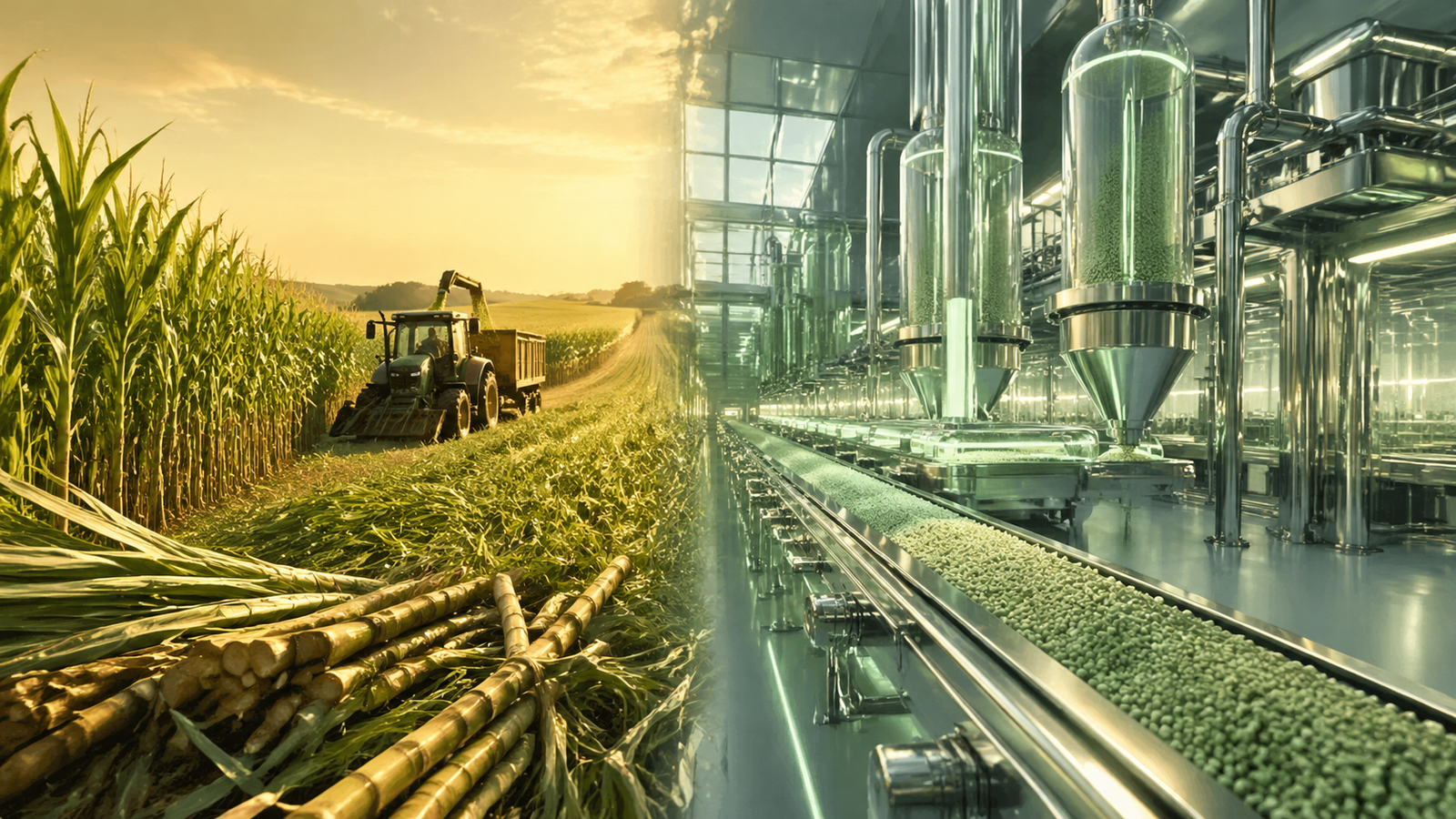
- Sourced from renewable resources like corn starch, sugarcane, or cassava.
- Produced through fermentation of plant-based sugars into lactic acid.
- Rigid and transparent, making it ideal for sturdy, leak-proof bags.
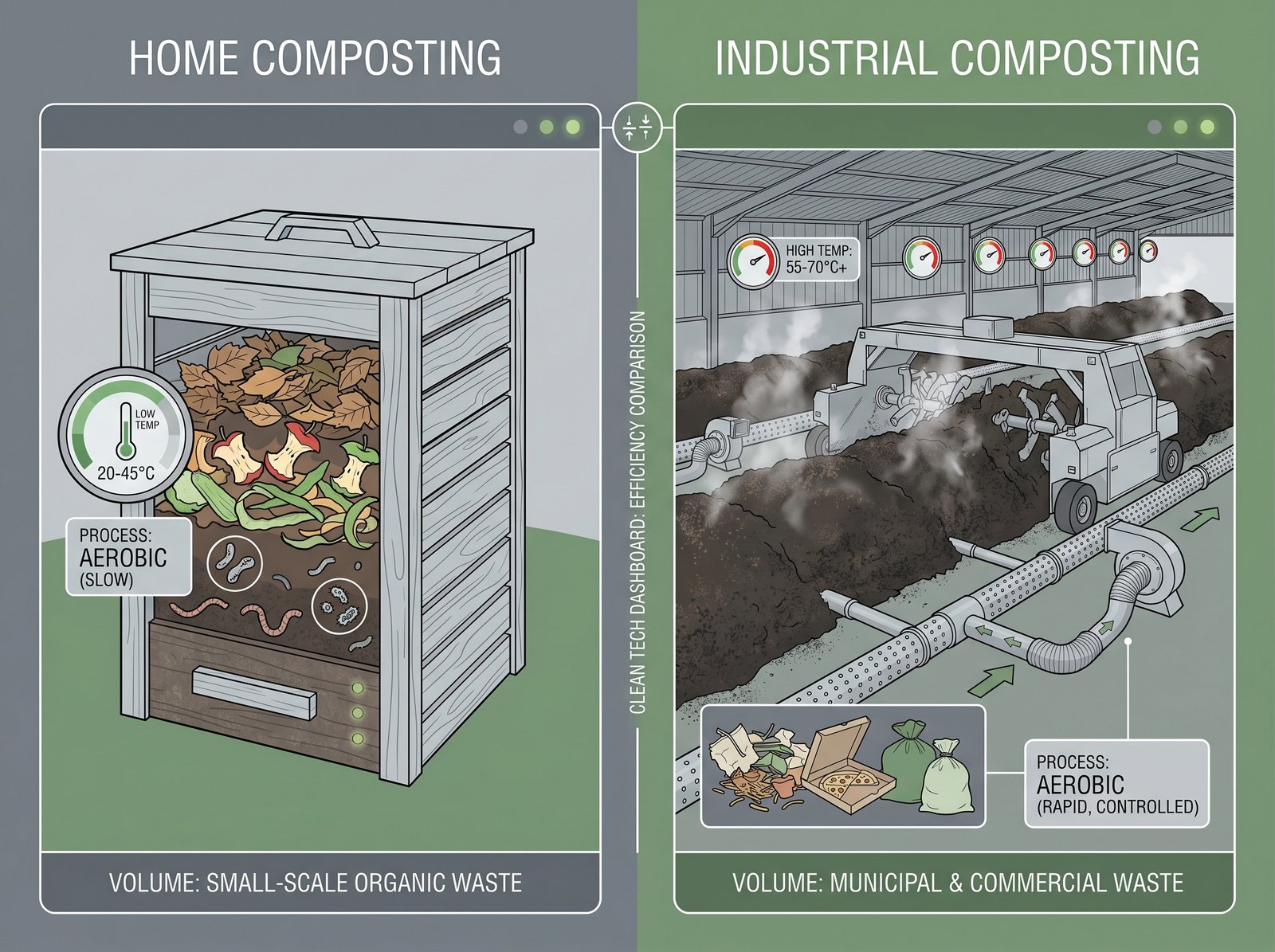
- Requires industrial composting facilities to break down efficiently.
PBAT (Polybutylene Adipate Terephthalate):
- A biodegradable polyester derived from petroleum-based materials.
- Flexible, durable, and designed to mimic conventional plastic’s performance.
- Breaks down efficiently in home composts, soil, and industrial facilities.
Environmental Benefits of PLA and PBAT
- Reduced Plastic Pollution:
- Both materials decompose naturally, unlike polyethylene plastics that persist for centuries.
- Leave no microplastic residues in soil or waterways.
- Lower Carbon Footprint:
- PLA’s plant-based origins significantly reduce greenhouse gas emissions.
- PBAT’s efficient decomposition minimizes long-term environmental impact.
- Renewable and Sustainable:
- PLA relies on renewable resources, decreasing dependence on fossil fuels.
- PBAT’s biodegradability supports circular economy principles.
Key Differences: PLA vs. PBAT
| Feature | PLA | PBAT |
|---|---|---|
| Source | Plant-based (e.g., corn starch) | Petroleum-based (designed to break down) |
| Decomposition | Requires industrial composting | Breaks down in home/industrial composts |
| Flexibility | Rigid and transparent | Soft, flexible, and tear-resistant |
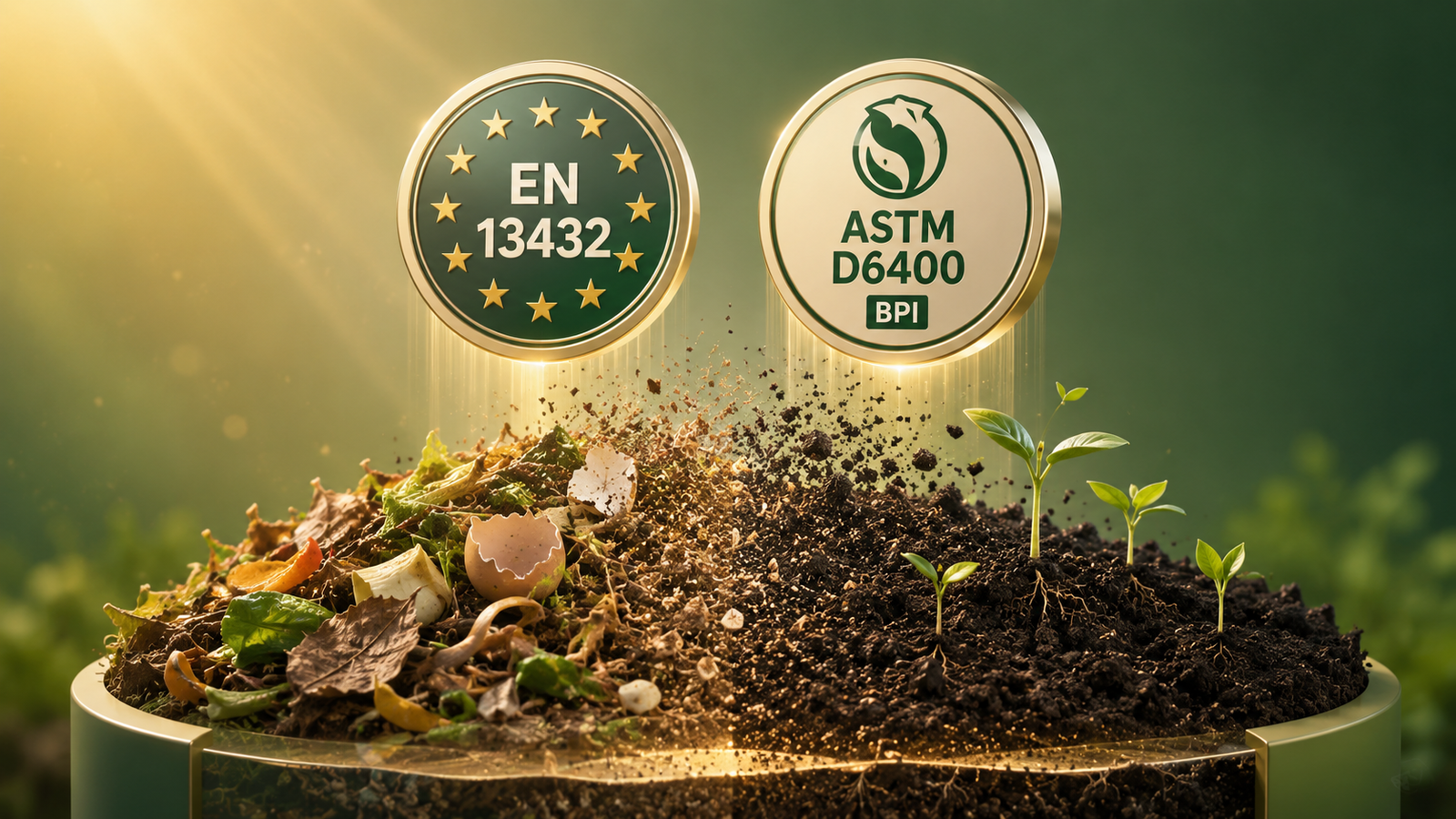
| Certifications | ASTM D6400, EN 13432, BPI | ASTM D6400, EN 13432, OK Compost HOME |
How to Choose the Right Bag
- Check Certifications:
- Look for ASTM D6400, EN 13432, or BPI certifications to ensure authenticity.
- Prefer bags with TUV Austria’s OK Compost HOME label for home composting.
- Consider Usage Needs:
- PLA bags are ideal for owners with access to industrial composting.
- PBAT bags suit those who compost at home or lack industrial facilities.
- Evaluate Performance:
- PLA offers stiffness and clarity, resembling traditional plastic.
- PBAT provides superior flexibility, reducing the risk of tears.
Proper Disposal for Maximum Impact
- Industrial Composting: Dispose of PLA bags in facilities that maintain temperatures of 50-60°C.
- Home Composting: PBAT bags break down in backyard compost bins within months.
- Landfill Disposal: While not ideal, both materials decompose faster than conventional plastics.
The Future of Sustainable Pet Waste Management
Innovations in PLA and PBAT technology continue to advance:
- Blended Materials: Combining PLA and PBAT enhances flexibility and decomposition efficiency.
- Marine-Degradable Formulas: New variants break down even in ocean environments.
- Carbon-Neutral Production: Manufacturers are adopting greener energy sources.
Conclusion
PLA and PBAT biodegradable pet waste bags offer a practical, eco-friendly alternative to conventional plastics. By understanding their unique properties and proper disposal methods, pet owners can significantly reduce their environmental footprint. Whether you choose PLA for its renewable origins or PBAT for its flexibility, both materials represent a meaningful step toward sustainable pet ownership.