This is a question without a standard answer, depending on various factors such as material type and environmental conditions. Let’s explore this question from a scientific perspective.
I. Decomposition Time: A Question Without a Standard Answer
1. Different Material Compositions Determine Different Decomposition Rates
(1) PLA (Polylactic Acid): Primarily derived from corn starch, it takes approximately 6-12 months under industrial composting conditions.
(2) PBAT (Polybutylene Adipate/Terephthalate): Primarily petroleum-based biodegradable materials, decomposing typically in 3-6 months.
(3) Starch-based Composite Materials: Decompose within 2-4 months under ideal conditions.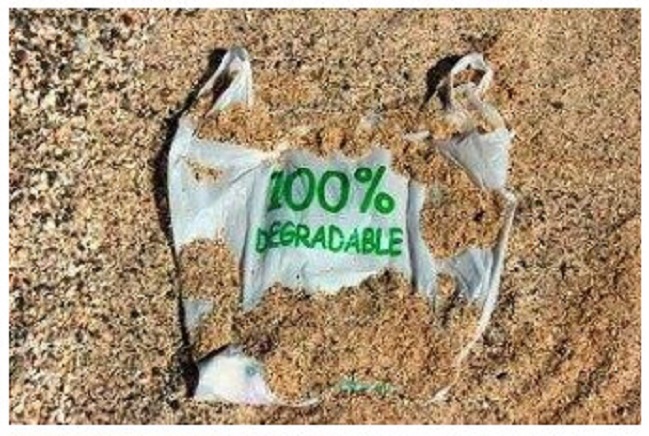
2. Different Decomposition Environmental Conditions are Key Variables for Decomposition Rate
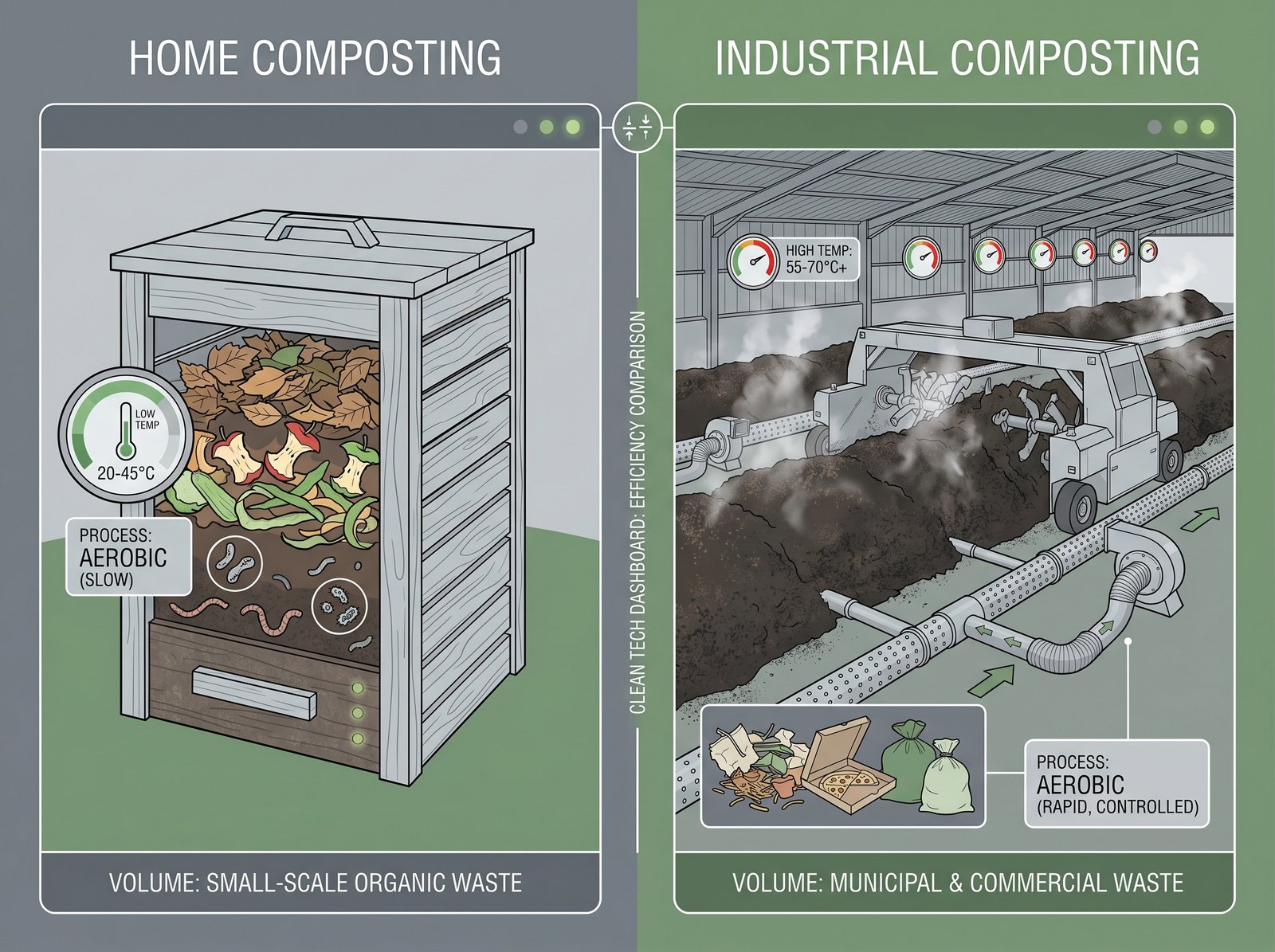
(1) Industrial Composting Facilities: With temperatures maintained at 58-60℃ and suitable humidity, a decomposition rate of over 90% can be achieved within 180 days.
(2) Home Composting Environment: Conditions are relatively unstable, typically requiring 6-18 months.
(3) Natural soil environment: Decomposition time may be extended to 1-3 years, and complete decomposition may not be possible.
3. Product thickness and structural design
(1) Ultra-thin pet bags (<0.01mm): Decomposition speed is faster.
(2) Thickened leak-proof bags (>0.02mm): Require a longer decomposition time.
(3) Multi-layer composite materials: The decomposition speed of each layer is different, affecting the overall decomposition cycle.
II. Different Time Requirements Under Different Certification Standards
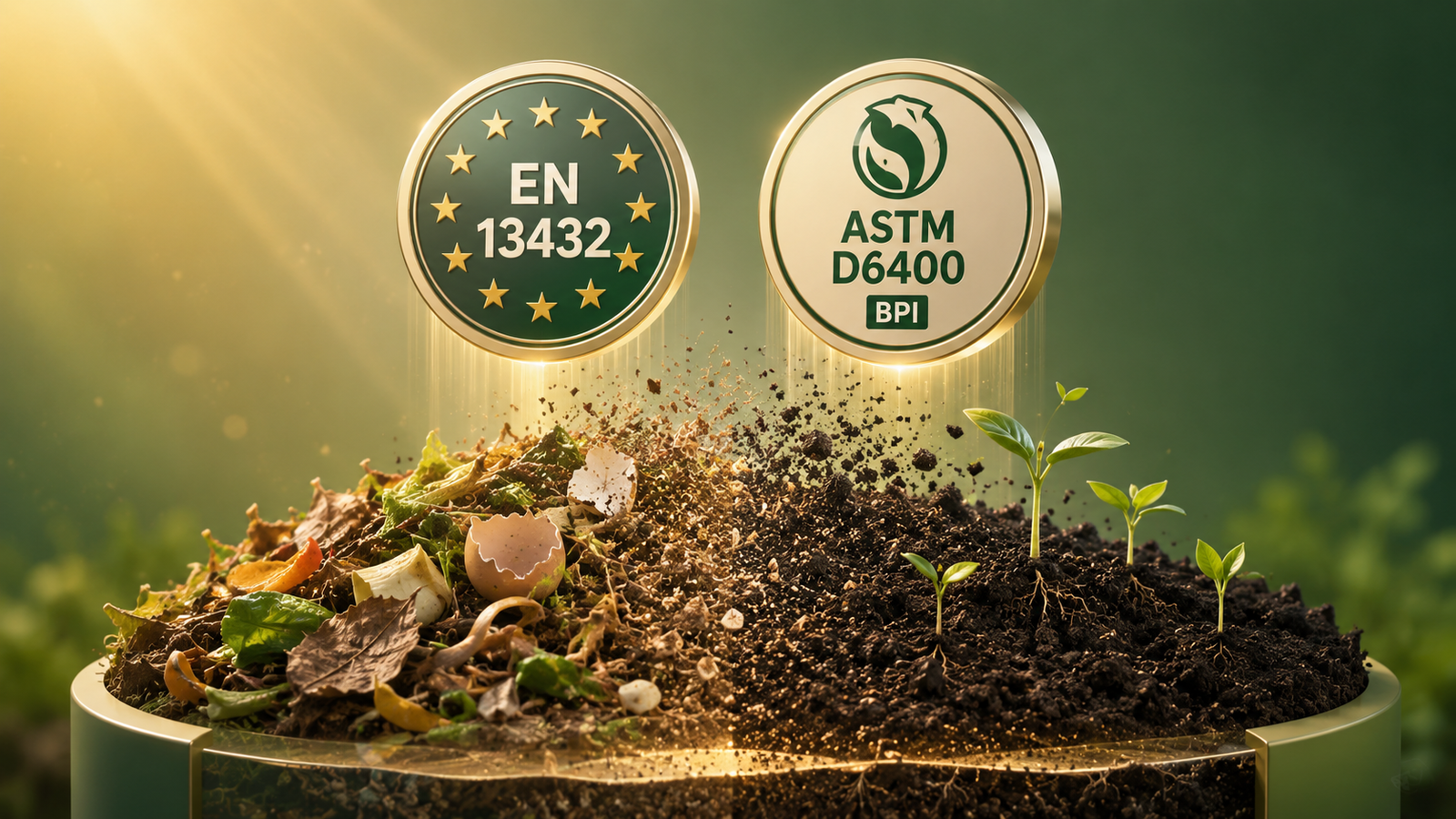
1. Industrial Composting Certification (e.g., ASTM D6400): Products that pass this certification must meet the following requirements:
(1) Biodegradability ≥ 90% within 180 days
(2) Decomposition products are environmentally safe
(3) No toxic residues are produced
2. Home Composting Certification (e.g., AS5810): Products that pass this certification only need to meet the following requirements:
(1) Biodegradability ≥ 90% within 12 months
(2) Decomposes at natural composting temperatures
(3) Suitable for backyard composting
III. Decomposition of Biodegradable Bags in Reality
1. Decomposition under Ideal Conditions:
In professional industrial composting plants, certified biodegradable bags can indeed decompose within the specified time. The decomposition process is shown in the following days:
(1) Days 30-45: Obvious cracking begins
(2) Days 60-90: Decomposition rate exceeds 70%
(3) Days 120-180: Decomposition process is basically completed
2. Decomposition under natural environmental conditions:
In the natural environment, due to various environmental factors, certified biodegradable bags may not decompose. The decomposition results are as follows:
(1) Temperature fluctuations significantly affect microbial activity
(2) Insufficient humidity may interrupt decomposition
(3) Ultraviolet radiation accelerates material embrittlement but does not necessarily promote biodecomposition
IV. How should consumers choose?
If your area has well-developed composting facilities, choosing certified biodegradable bags is a wise choice. Otherwise, you may need to reassess their environmental value.
1. In addition to decomposition time, overall environmental benefits should also be considered. This includes energy consumption during production, carbon footprint during transportation, and whether raw materials come from renewable resources.
2. Support system solutions. Individuals can choose, or systemic changes can be promoted. This includes supporting the upgrading of waste treatment facilities, participating in community composting projects, and expressing environmental demands to relevant departments.
3. Under rational conditions, although biodegradable bags do not offer a perfect solution, they represent an important direction for progress. Compared to traditional plastics, they reduce dependence on petroleum resources and can decompose and return to nature under suitable conditions.
V. Conclusion: Rational View, Scientific Choice
The decomposition time of biodegradable pet bags is not a fixed number, but a dynamic process influenced by various factors. As consumers, we should:
(1) Understand product characteristics: Choose products suitable for our usage scenarios
(2) Pay attention to certification information: Ensure that the product’s environmental commitments are based on evidence
(3) Use and dispose of correctly: Let environmentally friendly products truly realize their environmental value
At [Esinle], we insist on using materials that have passed authoritative certification and provide detailed usage guidelines. Our biodegradable pet bags ensure decomposition within 180 days under industrial composting conditions, while we are also continuously developing new materials more suitable for home composting.