When choosing pet bags, many pet owners struggle with the decision between biodegradable and compostable bags. Which is the more environmentally friendly option? A definitive answer is needed. However, this is a multi-dimensional question with no single, standard answer. It requires consideration of materials science, processing facilities, certification standards, and other factors.
I. What are the fundamental differences between biodegradable and compostable bags?
Biodegradable bags are materials that can decompose naturally through microbial action, but the conditions, time, and outcome are uncertain. Biodegradable bags do not require specific conditions to degrade and eventually transform into water, carbon dioxide, and microbial matter, but may leave microplastic residues.
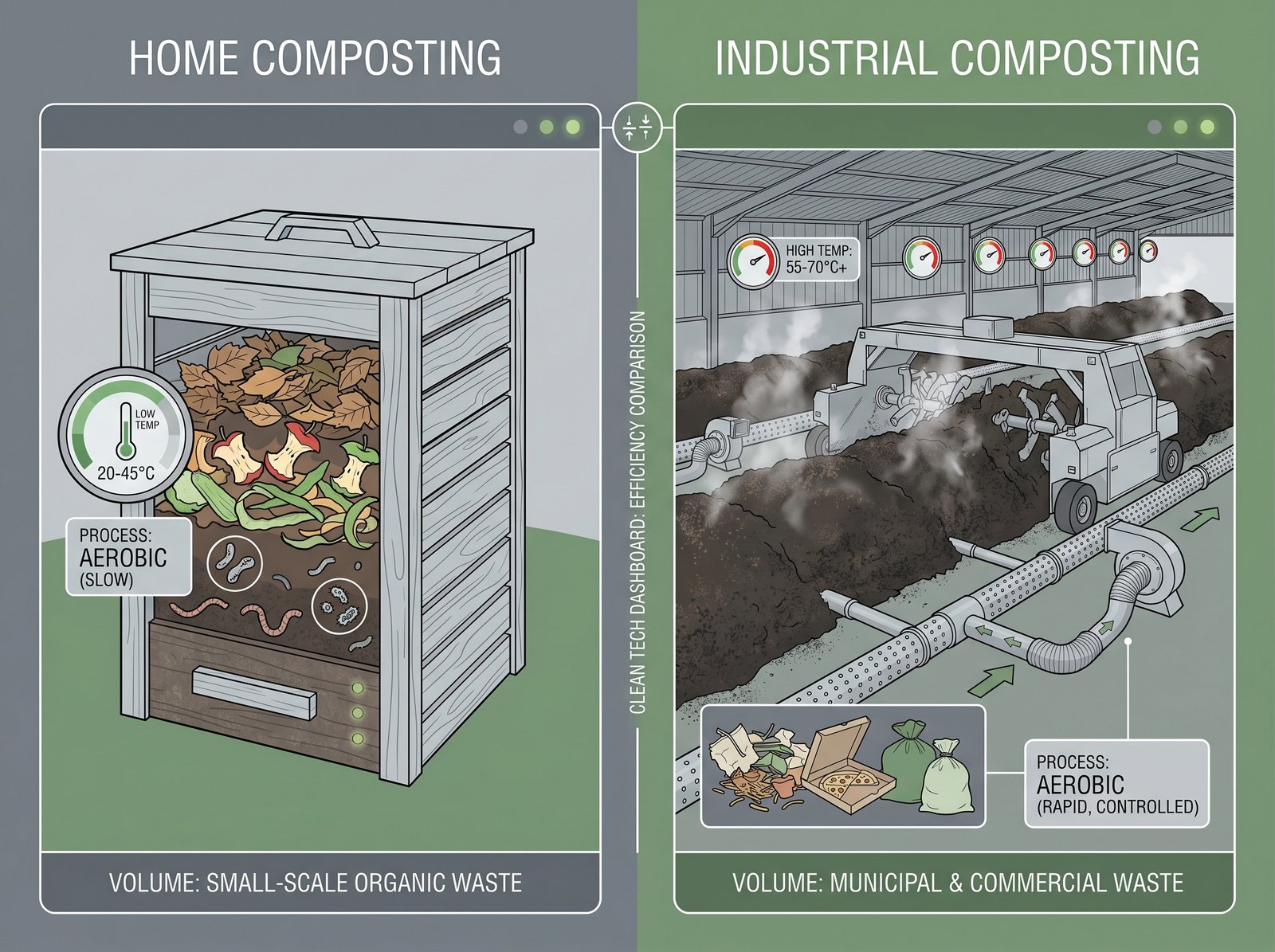
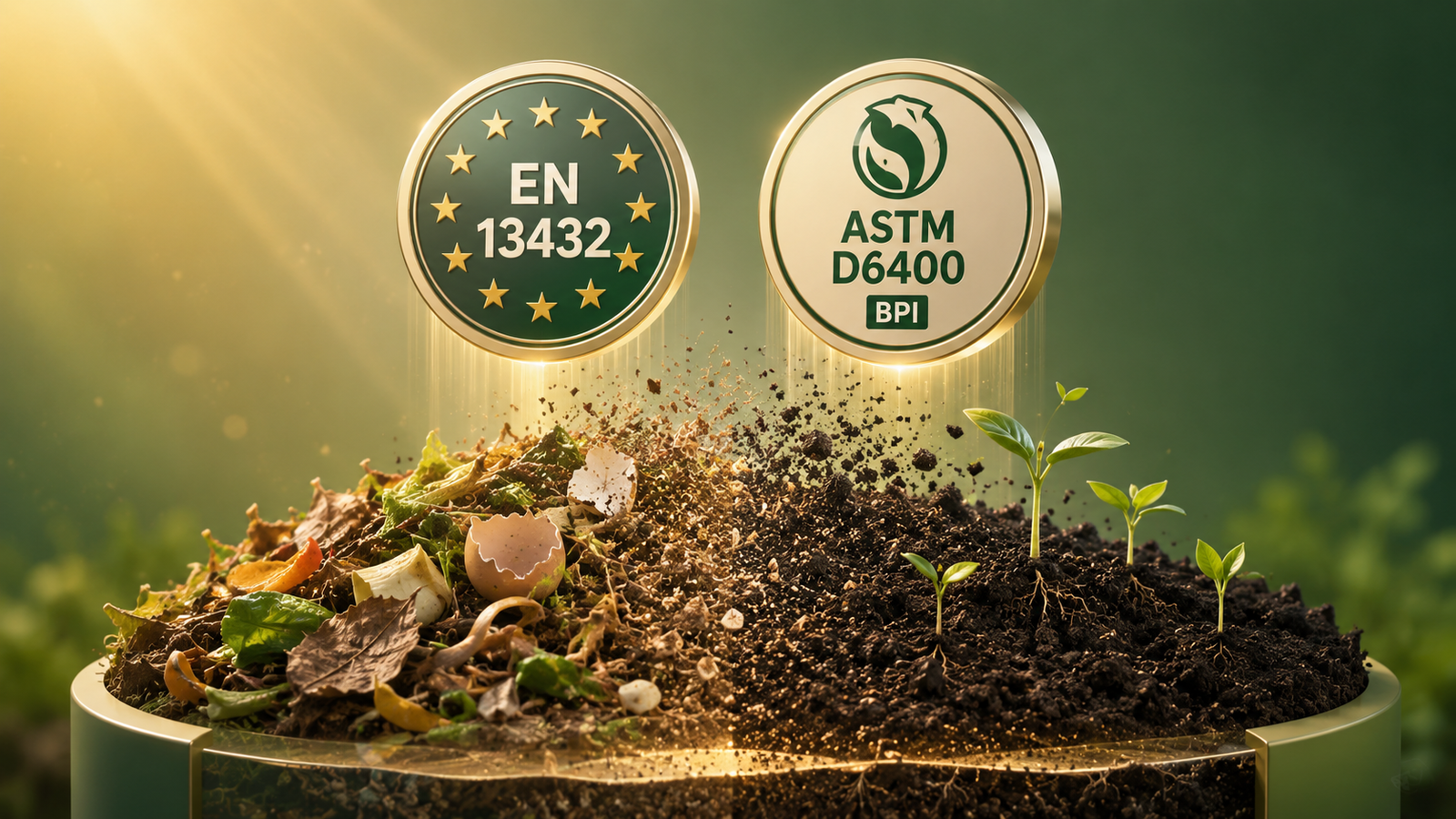
Compostable bags are a special form of biodegradation that must decompose under specific conditions (temperature, humidity, and microbial environment). Composting has a defined time requirement (typically over 90% decomposition within 180 days), the decomposition products are safe for soil, can be used as fertilizer, and require relevant authoritative certifications (ASTM D6400, OK Compost, etc.).
II. Multi-dimensional Comparison of Environmental Performance
A multi-dimensional comparison of their environmental performance reveals that compostable bags must completely decompose into soil nutrients within 180 days in an industrial composting environment and pass ecotoxicity testing. While biodegradable bags can decompose in the natural environment, the decomposition time is uncertain and microplastics may be generated. Therefore, compostable bags achieve resource closure, while biodegradable bags may pose a risk of secondary pollution. In terms of certification standards, compostable bags (such as ASTM D6400) have stricter and more reliable requirements. Here are three detailed points for analysis:
1. Decomposition Requirements
Biodegradable bags: Decompose in the natural environment, but the rate cannot be guaranteed.
Compostable bags: Require specific environmental conditions provided by industrial composting facilities.
2. Safety of Decomposition Products
Biodegradable bags: May contain residual microplastics or other harmful substances.
Compostable bags: Must pass ecotoxicity testing to ensure the safety of decomposition products.
3. Reliability of Certification Standards
Biodegradable bags: Certification standards are relatively lenient, and supervision is not strict enough.
Compostable bags: Certification procedures are strict and require regular review.
III. Comprehensive Assessment of the Environmental Benefits of Both
In terms of environmental benefits, compostable bags demonstrate superior overall ecological value. Under industrial composting conditions, they can completely decompose into water and carbon dioxide within 180 days, without producing microplastic pollution. The decomposed compost can be directly used for soil improvement, achieving a closed-loop resource cycle.
While biodegradable bags can decompose in the natural environment, the decomposition process is uncertain and lengthy, and microplastics may remain. The decomposition process of biodegradable bags is uncontrolled, making it difficult to guarantee actual environmental benefits. From a full life-cycle perspective, authoritatively certified compostable bags ensure complete controllability from production to degradation, representing a true “cradle-to-cradle” environmental solution.
IV. Development Trends of Compostable and Biodegradable Bags
With the accelerated construction of industrial composting facilities in cities worldwide, and the implementation of organic waste sorting policies in the EU and North America, the market demand for authoritatively certified compostable bags has increased significantly. Industry R&D focuses on improving the performance of bio-based materials such as PLA+PBAT while maintaining decomposition efficiency and enhancing durability.
Consumers’ increased awareness of “green whitewashing” is driving companies to shift from vague “degradable” claims to providing verifiable certifications such as ASTM D6400. In the future, with the demands of carbon neutrality and development, compostable bags with complete recycling pathways will demonstrate more significant environmental advantages in life-cycle assessments, including reducing microplastic pollution and supporting the recycling of organic resources.
V. Conclusion: There is no single most environmentally friendly option, only the most suitable one.
When choosing a pet bag, we don’t need to simply judge which is “more environmentally friendly,” but rather choose the most suitable environmental solution based on our own circumstances and local conditions.
Compostable bags do provide a more thorough environmental solution under ideal conditions, but their environmental value cannot be fully realized without supporting processing facilities. However, while biodegradable bags have relatively lenient standards, they are still a better choice than traditional plastics in certain scenarios. Therefore, there is no single most environmentally friendly option, only the most suitable one.
When choosing our [Esinle] brand products, we provide comprehensive product guidance, including clearly labeled certification information for each product, local processing facility search services, and recommendations for the most suitable products based on customer needs. Environmental protection is not a black-and-white choice, but rather making the optimal solution under existing conditions. Let us use scientific knowledge and a rational attitude to jointly promote genuine environmental progress.