01
Heat-stabilized PLA+PBAT formulation at 80–100 microns
rated for sustained 85°C continuous cooking
Food Bags / ES-FB-03
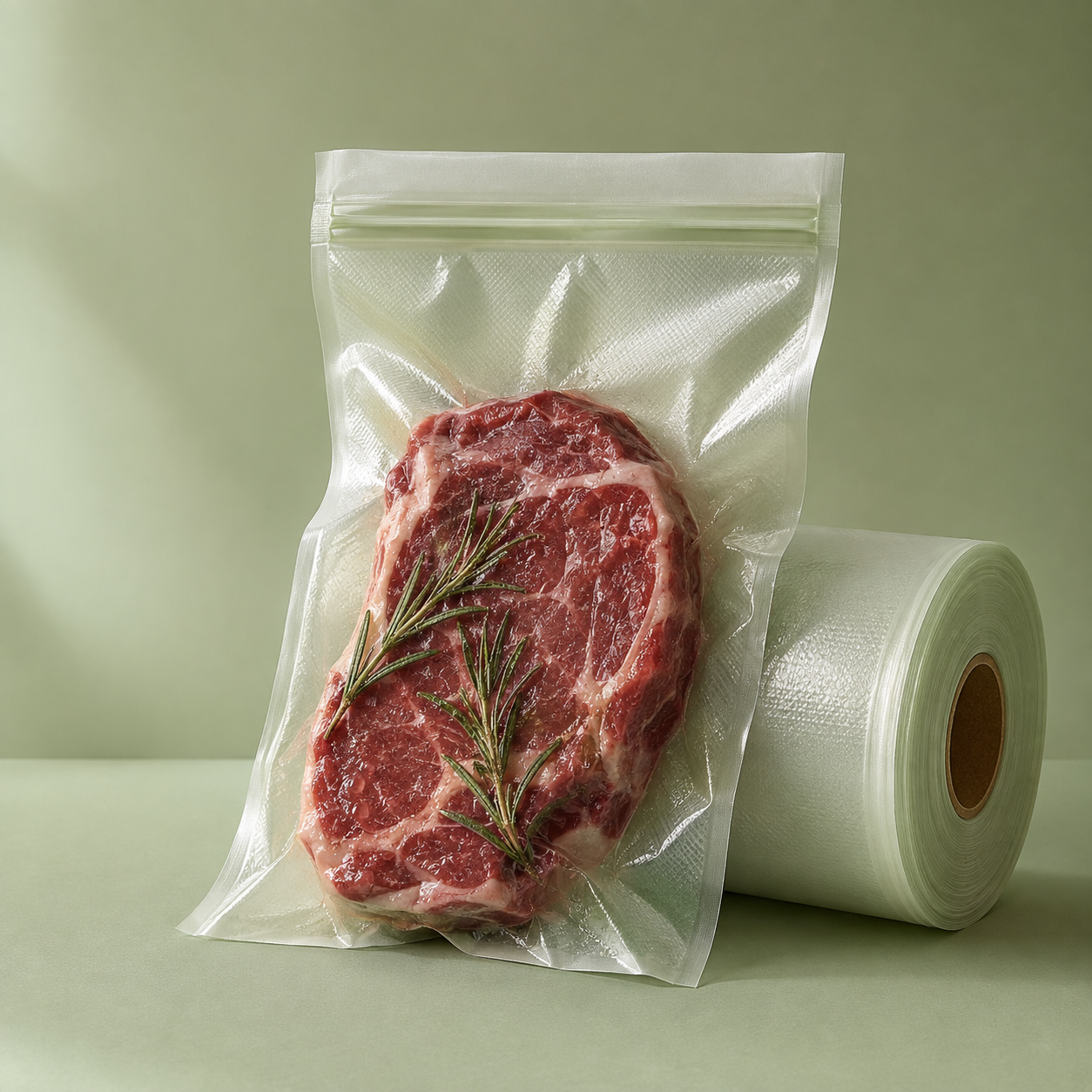
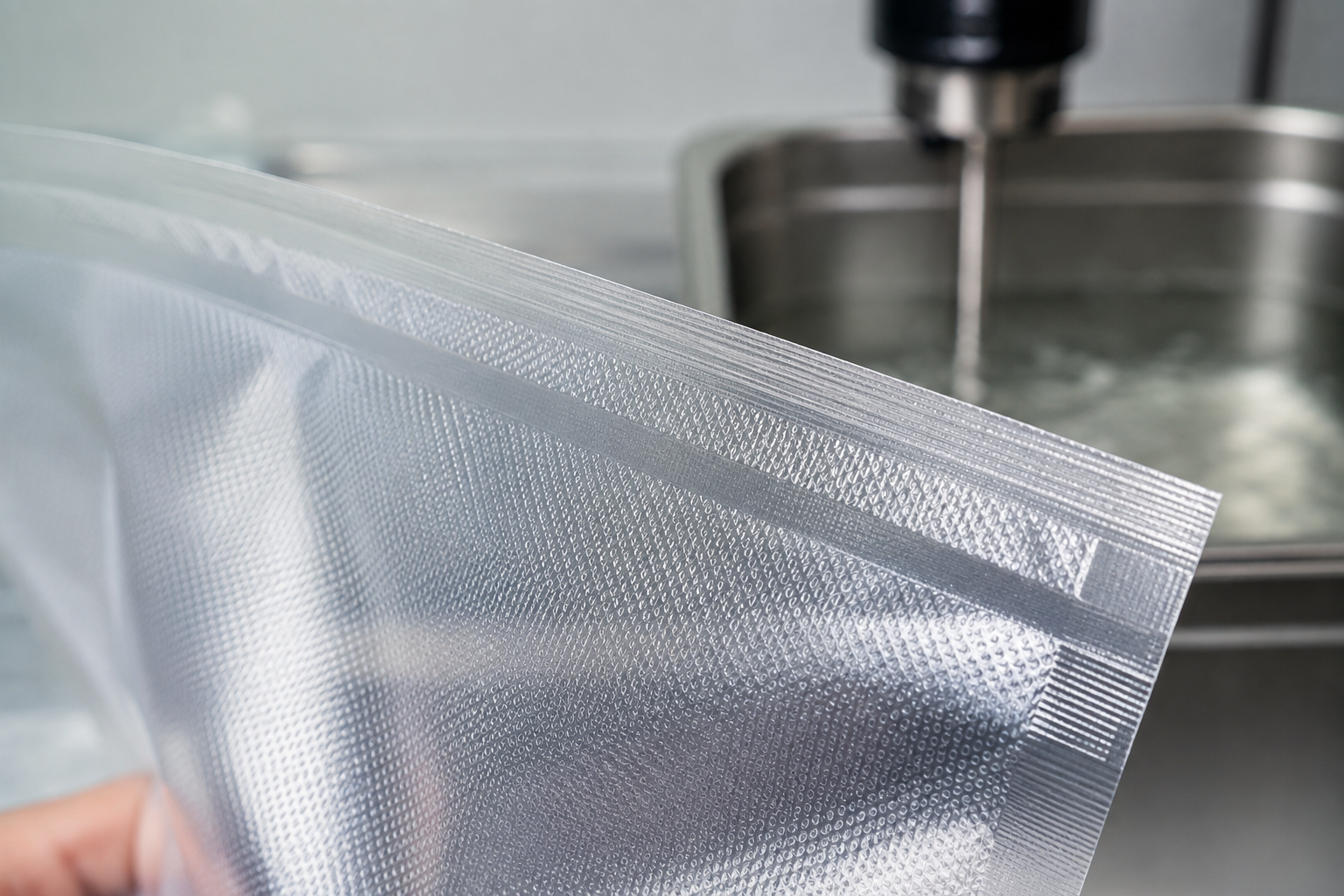
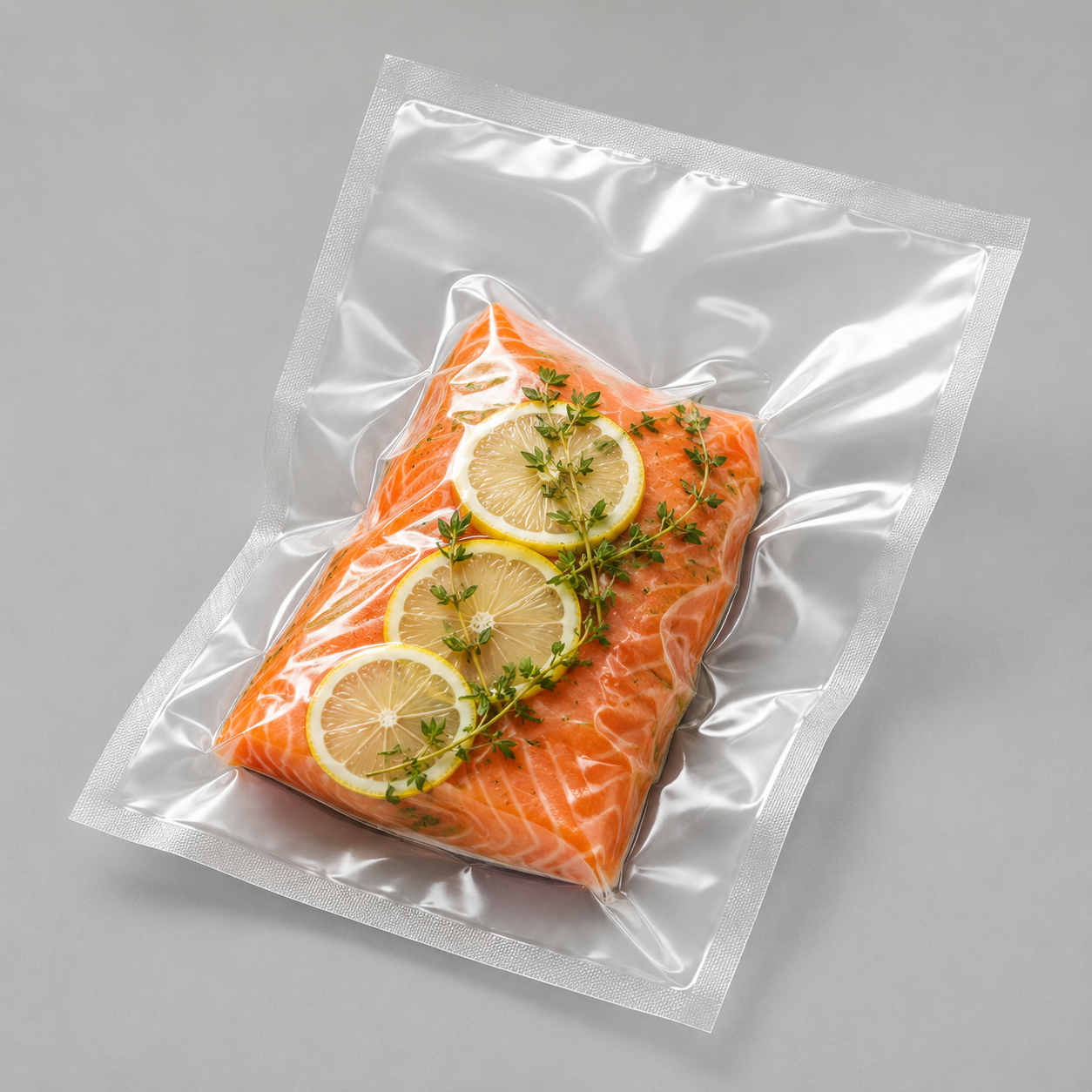
Compostable sous vide pouch candidates for professional buyers reviewing a defined time-and-temperature process. Share the food, pouch dimensions, sealing equipment and cooking cycle so the proposed construction and applicable food-contact evidence can be assessed together.
B2B supply · OEM / ODM options
Response target: one business day
The product at a glance
Compare the construction, size and order requirements. We confirm your selected configuration in the quotation.
EN 13432 · OK compost INDUSTRIAL · TÜV
Product overview
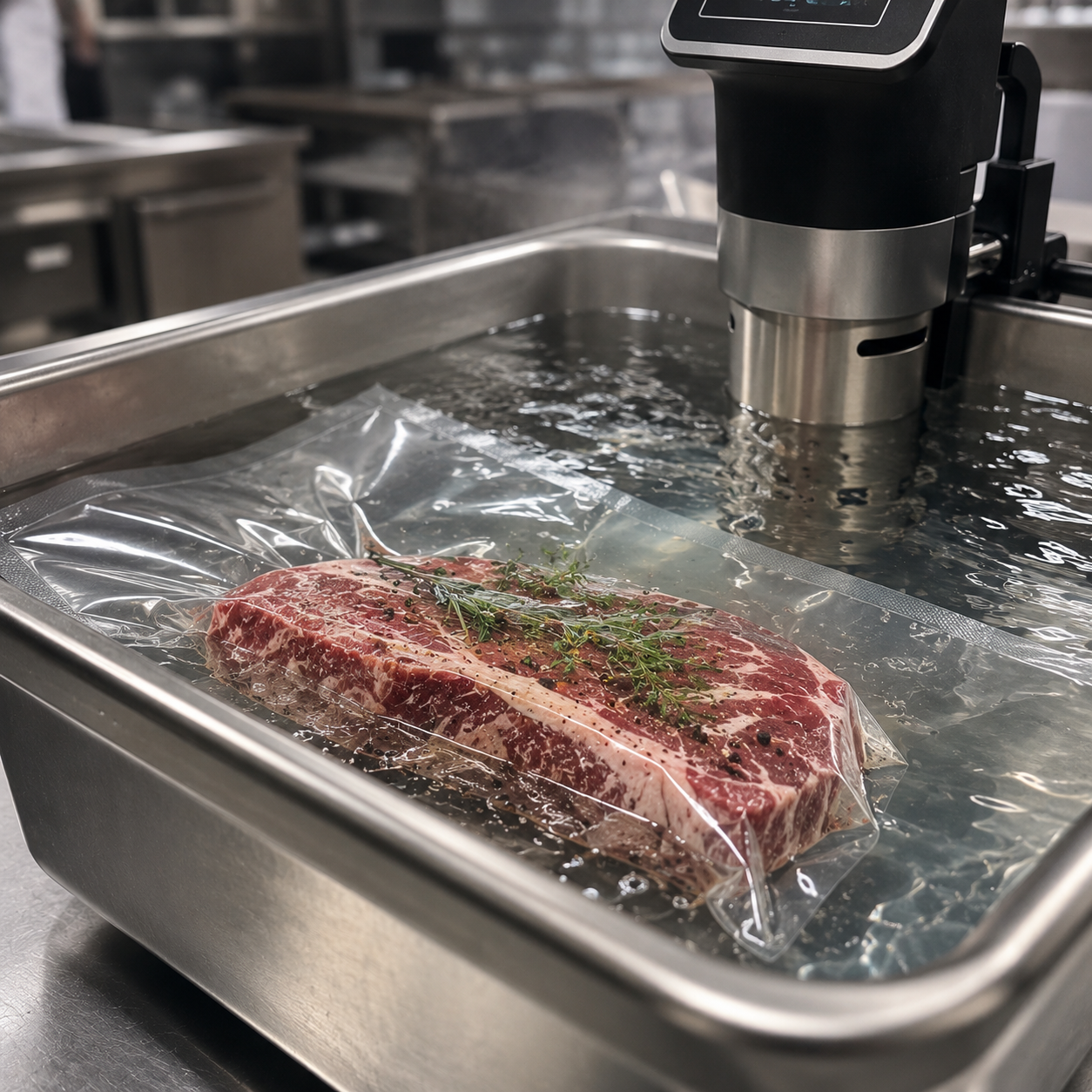
Sous vide suitability depends on more than a bag material name. The intended temperature, duration, food type and seal conditions must be within the supported use of the chosen construction. Review those conditions with the product file and run a representative process trial before approving the pouch and its instructions.
Compostable food bags for clearly defined packing, storage and collection tasks. Choose the format around contents, closure, contact conditions and the finished pack your operation needs.
Plan your sample reviewKey features
Six points connect the selected format to its everyday use, finished pack and repeat supply.
rated for sustained 85°C continuous cooking
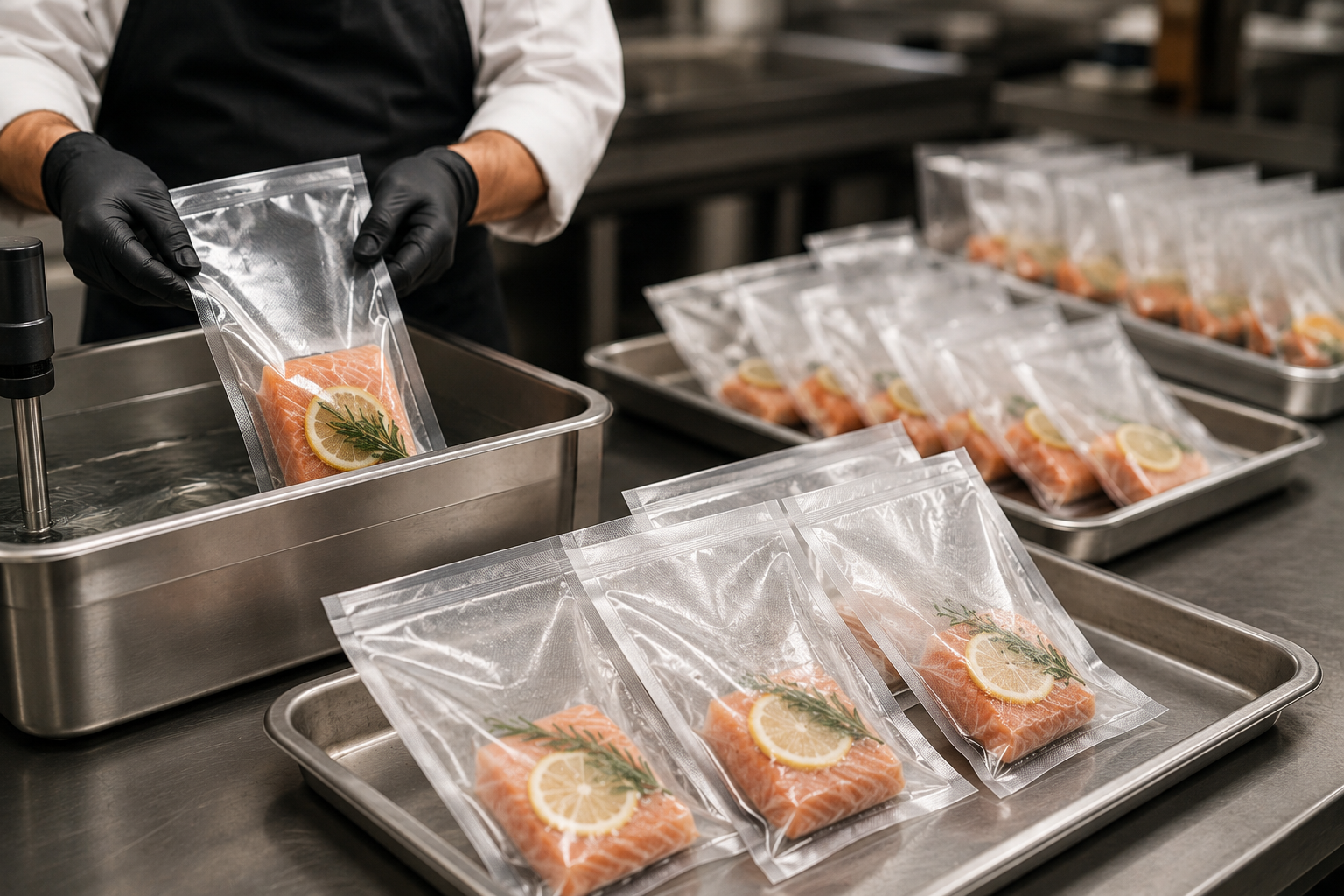
zero seal failures recorded
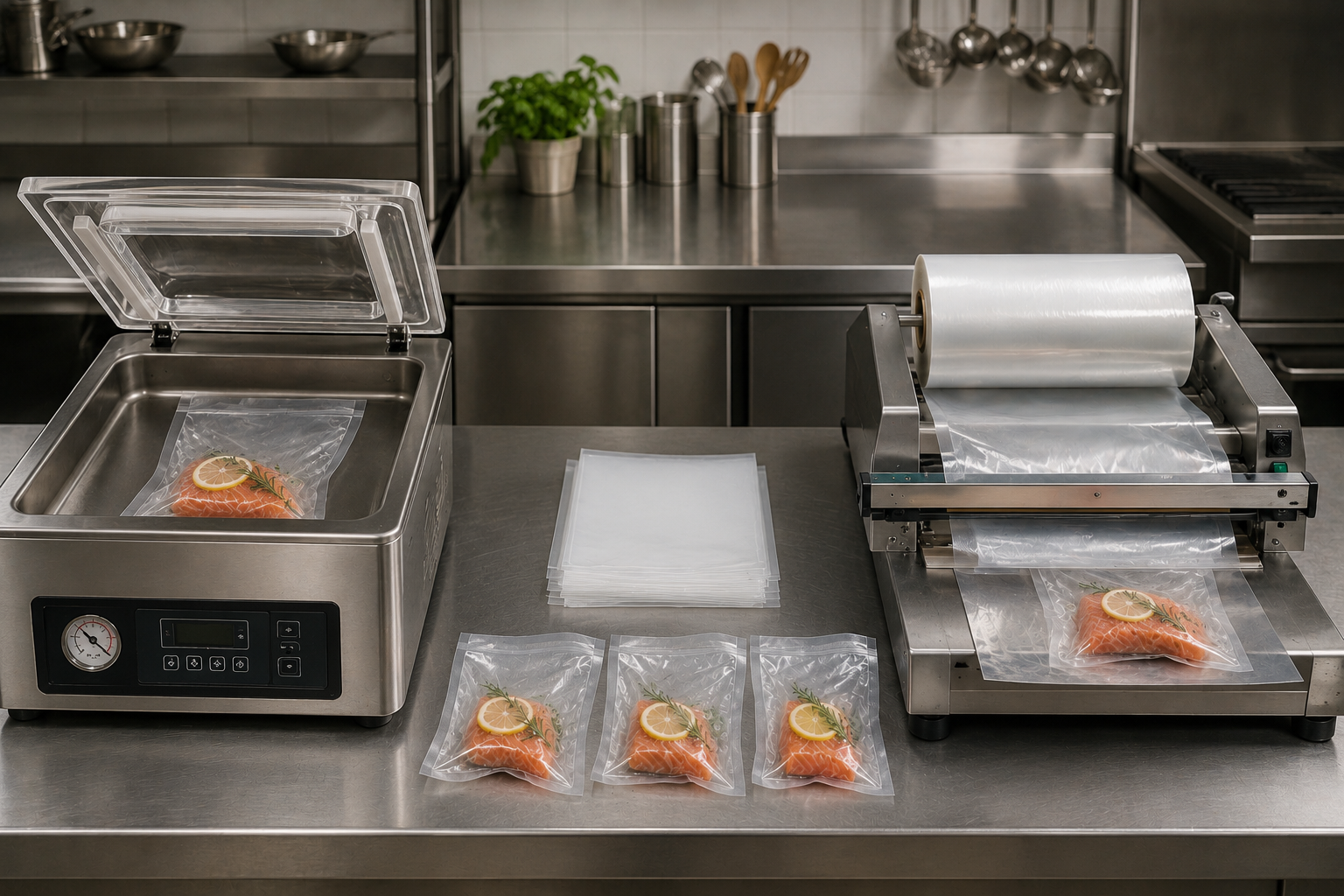
edge-seal bar machines, pre-cut pouches, or roll stock
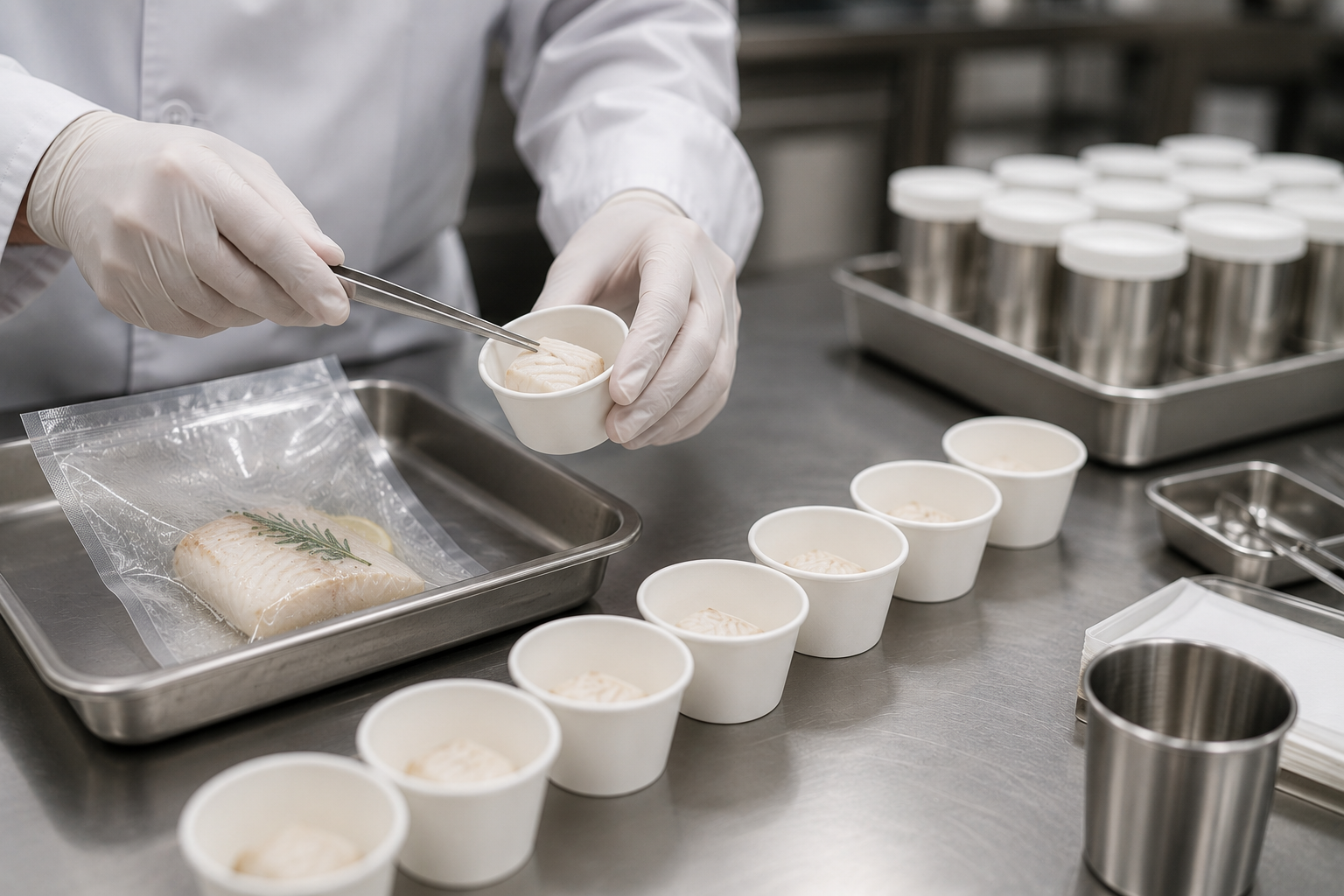
no detectable flavor transfer after 12-hour sensory testing
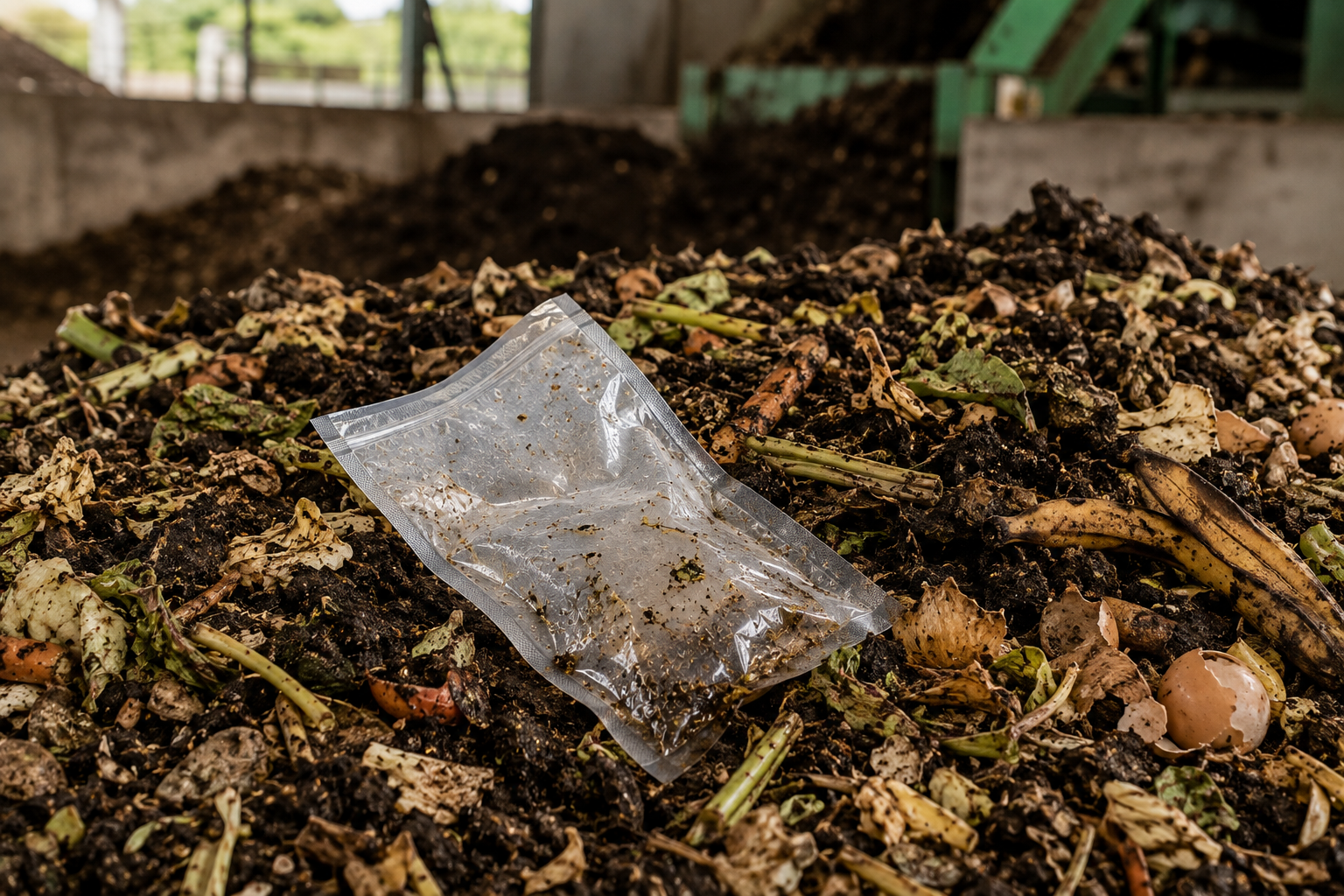
pouch plus food residue compost as one stream
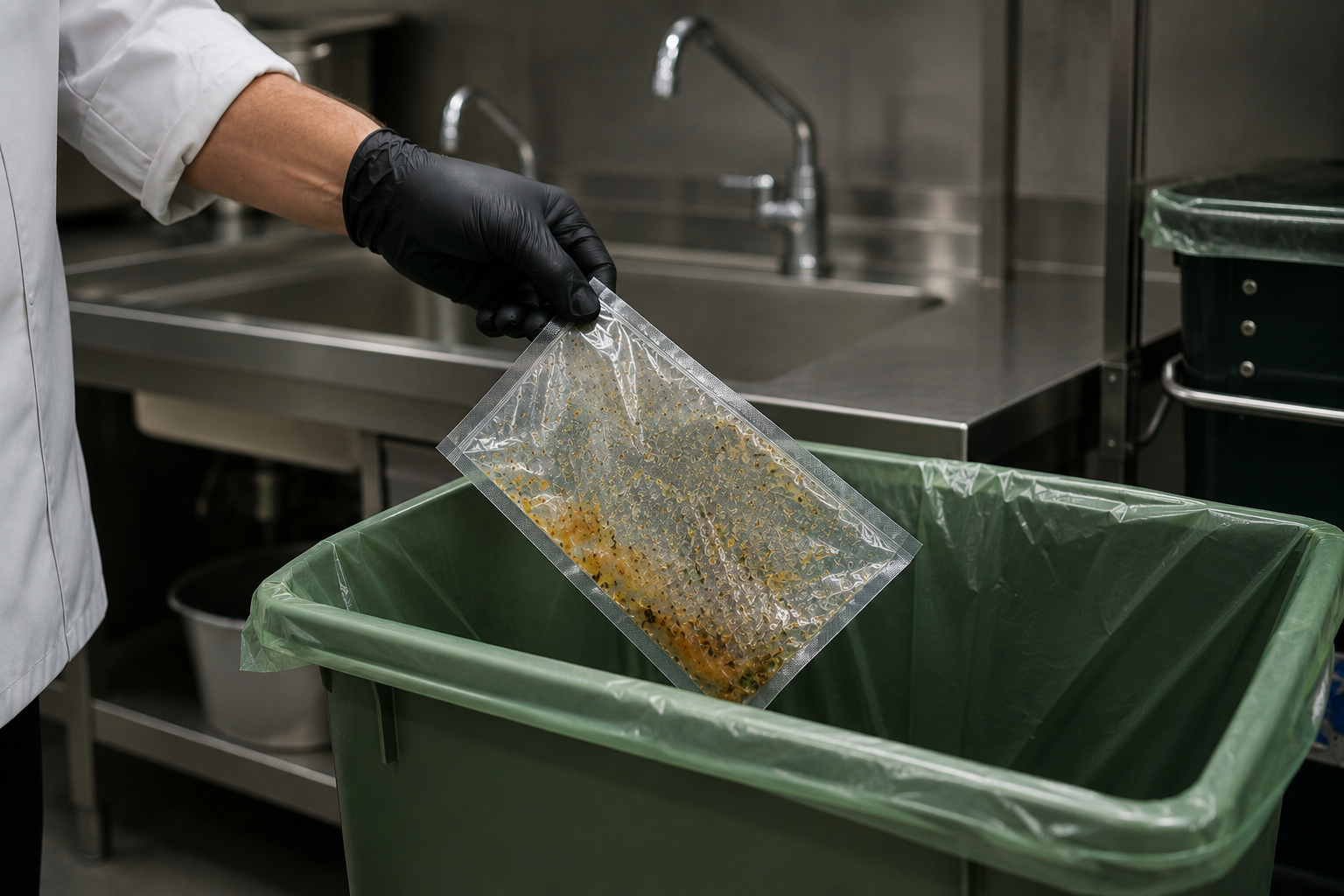
no rinsing saves 2–3 liters of water per pouch
Applications
Choose the relevant operation and share its practical requirements with your inquiry.
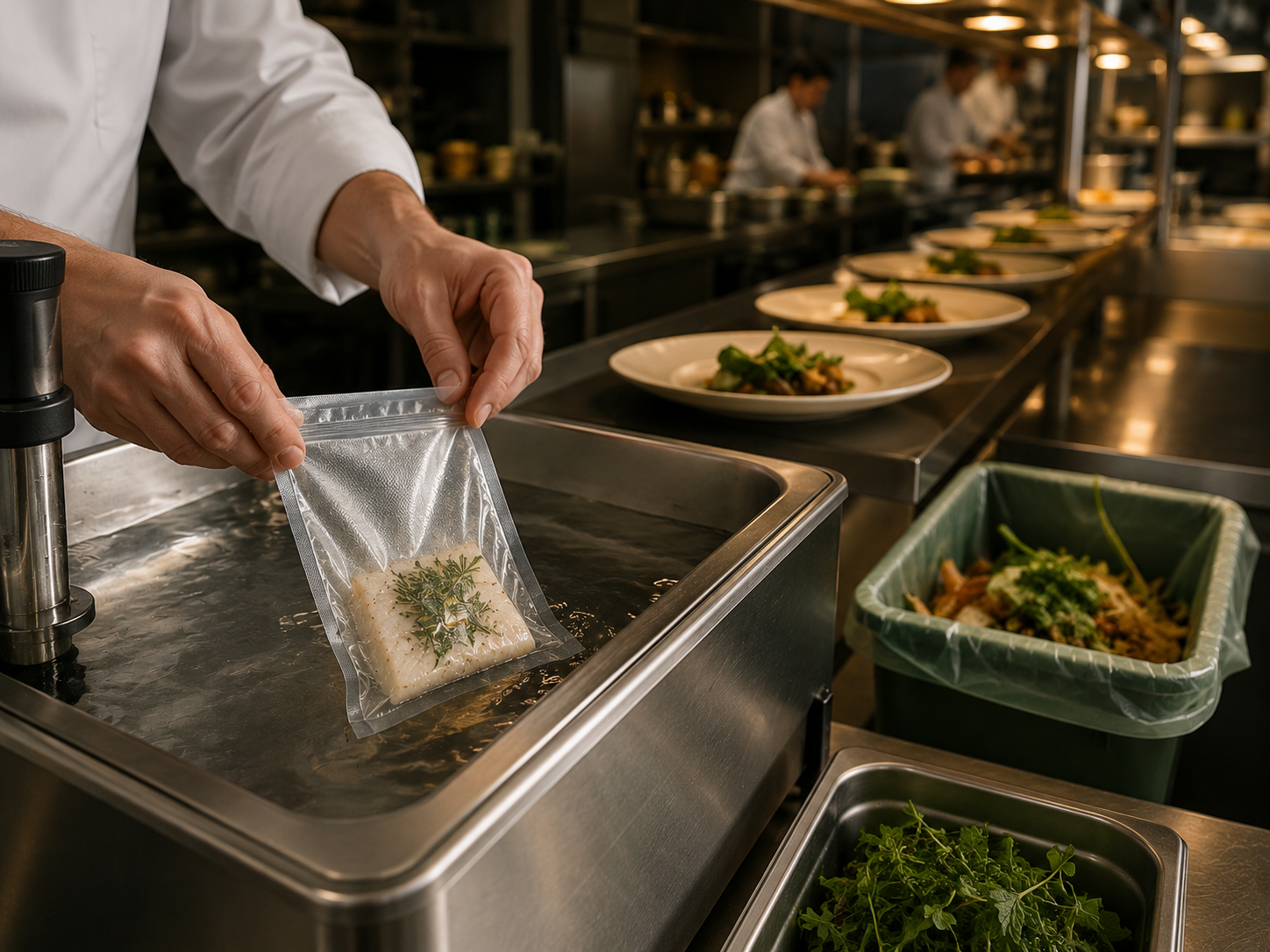
The only sous vide pouch solution that aligns with fine dining's increasing focus on sustainability and zero-waste kitchen certification
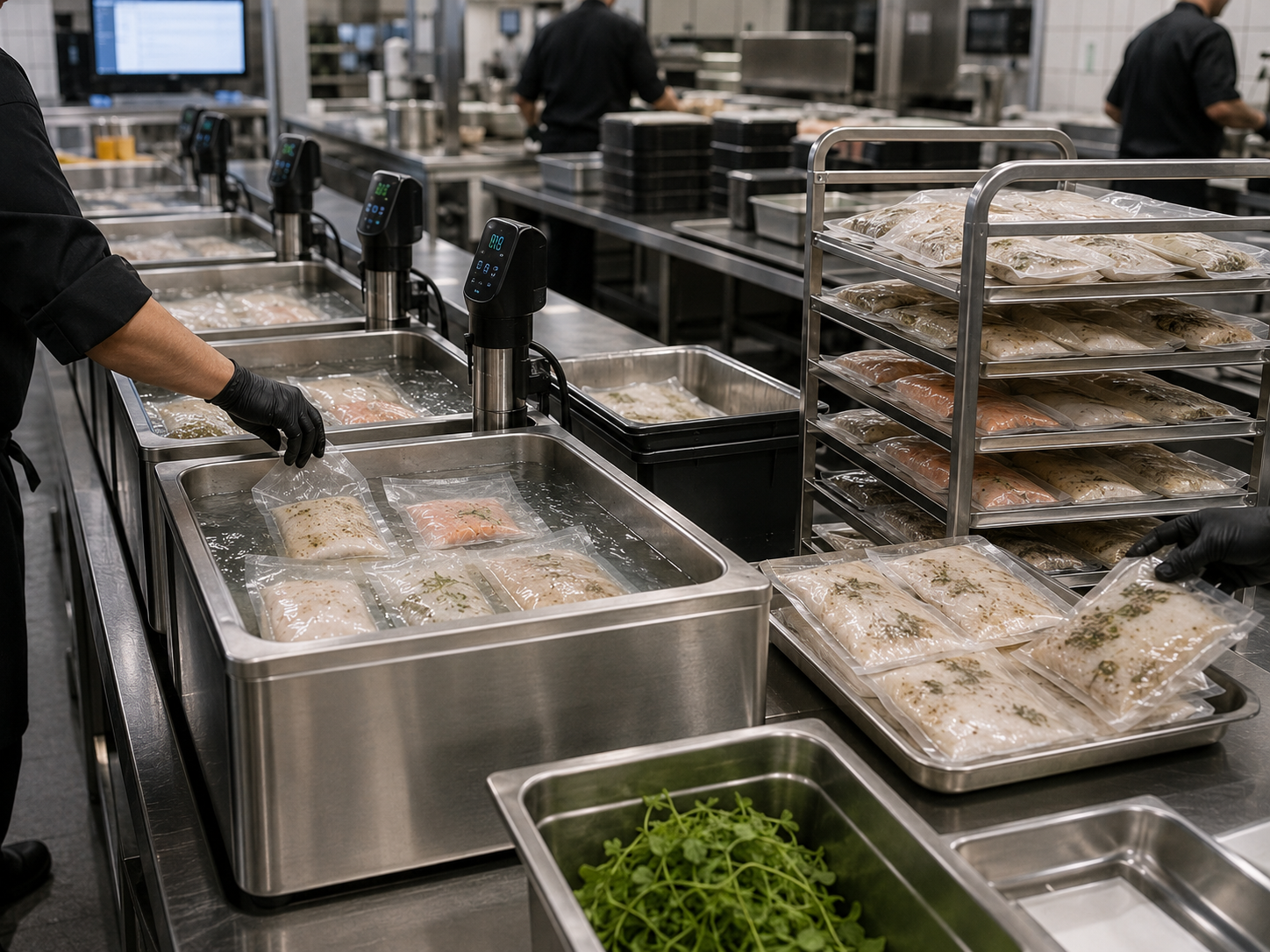
High-volume sous vide operations looking to eliminate single-use plastic cooking waste from their workflow — 200+ pouches per day per location
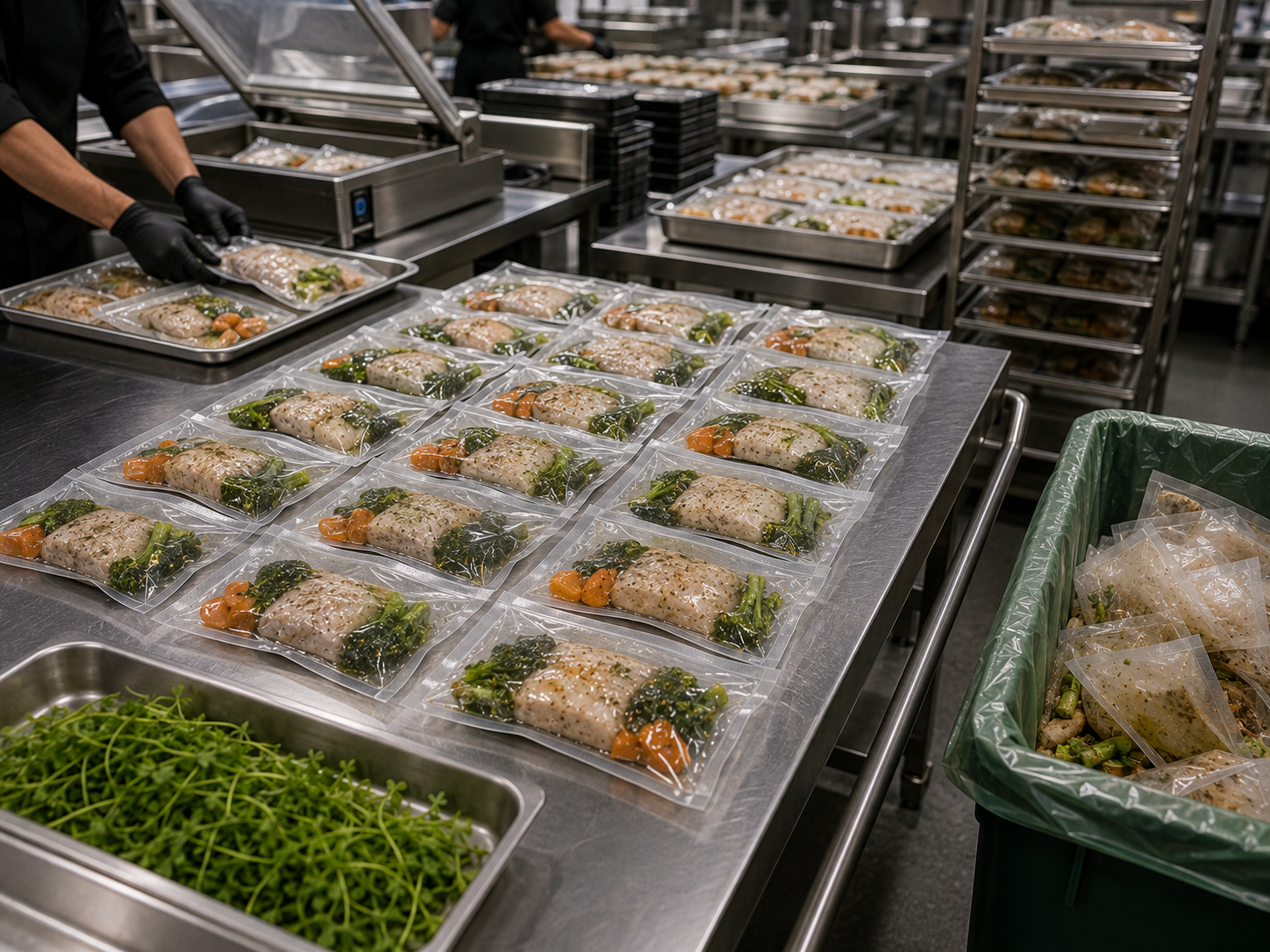
Portion cooking at scale with fully compostable packaging from cooking to customer — single-stream disposal simplifies operations
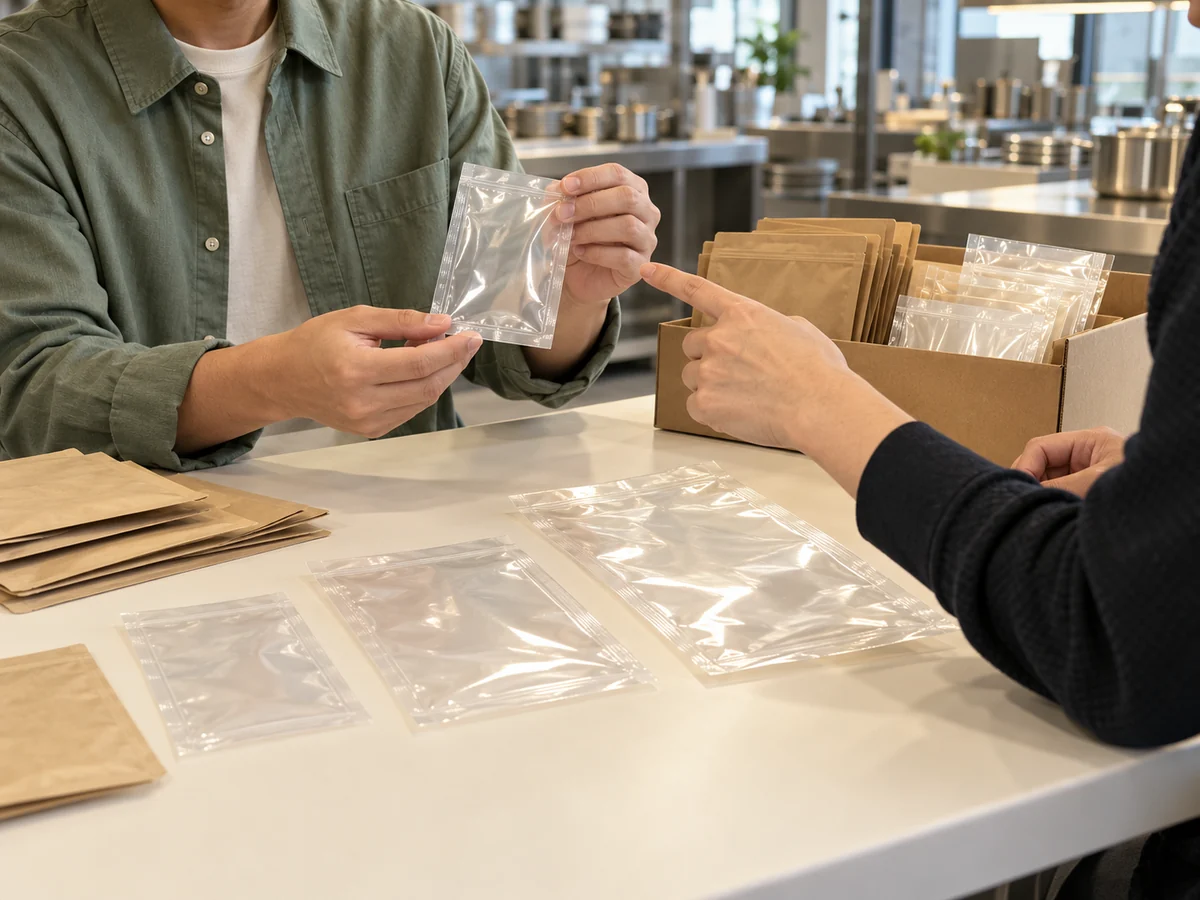
Specify pouch dimensions, construction and pack count for the target customer’s process. Supply the proposed use conditions so the suitable sample and document set can be identified.
Certifications & product documents
Keep the specification, applicable certification and intended-use information connected to the product you order.
The harmonised European standard: 90%+ biodegradation within 6 months, plus disintegration and ecotoxicity limits.
Industrial-compostability mark: verified to biodegrade at 58°C+ in managed facilities within 90–180 days. The heat-stabilized 80–100 micron gauge is industrial-compostable only — see limitations.
The applicable certificate and product listing identify the finished construction, thickness and composting route.
The destination market, food types, contact duration and temperature define the relevant food-contact records.
Sample review
A useful sample represents the construction and use you plan to order. Share the benchmark and the observations that matter.
Fill and close a representative bag using the intended contents.
Review handling, closure and any relevant storage or service cycle.
Approve the product, packing specification and intended-use information.
Maximum operating temperature 85°C continuous — not suitable for microwave cooking where rapid localized heating can exceed this threshold. Industrial compostable only — not home compost certified due to thicker gauge (80–100μm) exceeding home compost degradation timeline requirements. Keep sealed in original packaging before use to prevent premature moisture absorption by the PLA component. Not suitable for pressure canning or retort processing.
From comparison to quotation
Build a short sourcing brief. Add the details you know, then send it with your request for pricing, samples or product documents.
Specifications, a suitable sample and the commercial details for your selected configuration.
Product questions
85°C (185°F) continuous, tested and certified for up to 24 hours. Brief excursions to 90°C are acceptable but not recommended for extended periods. The glass transition temperature of standard PLA is approximately 60°C; our heat-stabilized formulation significantly extends the safe operating range through proprietary polymer modification.
No. Our PLA+PBAT formulation is taste-neutral and odorless by design. Independent sensory panel testing confirmed no detectable flavor transfer after 12-hour sous vide cooking at 75°C versus a control group using conventional PA/PE bags. The material is also resistant to absorption of food aromas, preventing flavor carry-over between uses.
Yes — this is a key workflow advantage. The pouch can be deposited directly into industrial organics collection with food residue still inside. No rinsing is required, which saves kitchen labor and water. The food residue actually accelerates the composting process by providing nitrogen. At home composting temperatures, degradation takes longer (12–18 months due to thicker gauge).
Food or collection use, bag size, thickness, closure, contact conditions, count and destination.
Continue comparing